


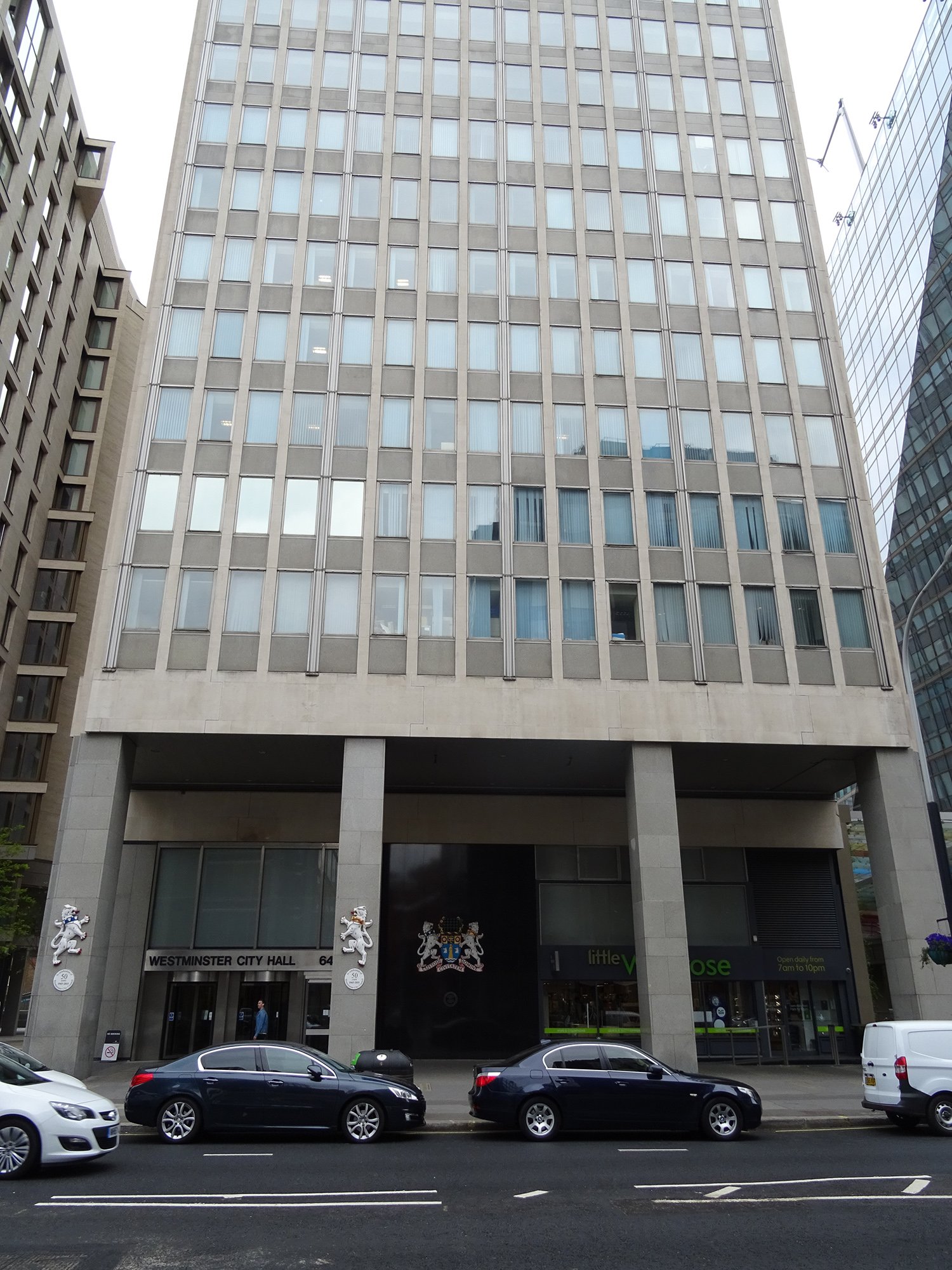
The Westminster council tax freeze will keep almost all of the borough’s share of the bill unchanged for 2026/27 — but the Labour-run council warns it faces a looming financial crisis driven by changes to government funding.
The council announced the budget plans in February. The main “Westminster element” of the bill is frozen, with the only increase the adult social care precept, which funds care for the elderly and disabled — rising by two per cent, or about 20p a week for Band D payers. The council said the freeze was to help local residents deal with cost-of-living pressures.
The proposals would leave Westminster with the second lowest council tax in the country — behind only Wandsworth, which has also frozen all but its social care precept. Benchmark Band D bills in Westminster would rise from £1,017 to £1,048 a year from April, with households paying £537.34 to the council and £510.51 to the Mayor of London, mainly towards the Metropolitan Police and the London Fire Brigade.
To balance its 2026/27 budget the council is making £32m of new savings and drawing almost £20m from reserves. But it says nationwide changes to the way the Government funds local authorities — the “fair funding review” — will have a “significant adverse impact”, with less recognition of the numbers of people who work in or visit the West End putting “substantial financial pressure” on its finances. A report on the council’s finances states that its funding allocation “does not adequately reflect the level of need”. The council projects an £88m hole in its annual budget within three years.
The Government has given Westminster permission to increase council tax by more than five per cent in 2027/28 and 2028/29, but the council says it has no plans to use that flexibility. The budget announcement came ahead of the London borough elections in May.
Adam Hug, the Labour leader of Westminster City Council, said: “Like other local authorities, Westminster City Council is facing unprecedented financial pressures. Keeping council tax low is just one way we are helping local people with rising bills and the cost-of-living crisis.”
One possible lifeline is the Government’s proposed “tourist tax” — an overnight levy on visitors. Westminster hopes it could generate between £20m and £80m a year, and says it is lobbying hard for a fair share of the revenue. “Millions of visitors come to our City every year, and it is right that – like other world capitals – we ask a modest nightly fee to pay for the services they use while here,” Mr Hug said. “That money can then be spent locally to benefit local people and businesses.”
The budget also commits to major investments, including £34m for Regent Street to improve the public realm, £174m for 300 new homes and a community health and wellbeing hub at Lisson Grove, £96m for new homes and specialist residential accommodation at 291 Harrow Road, and £8m to improve high streets across Paddington and Bayswater.