


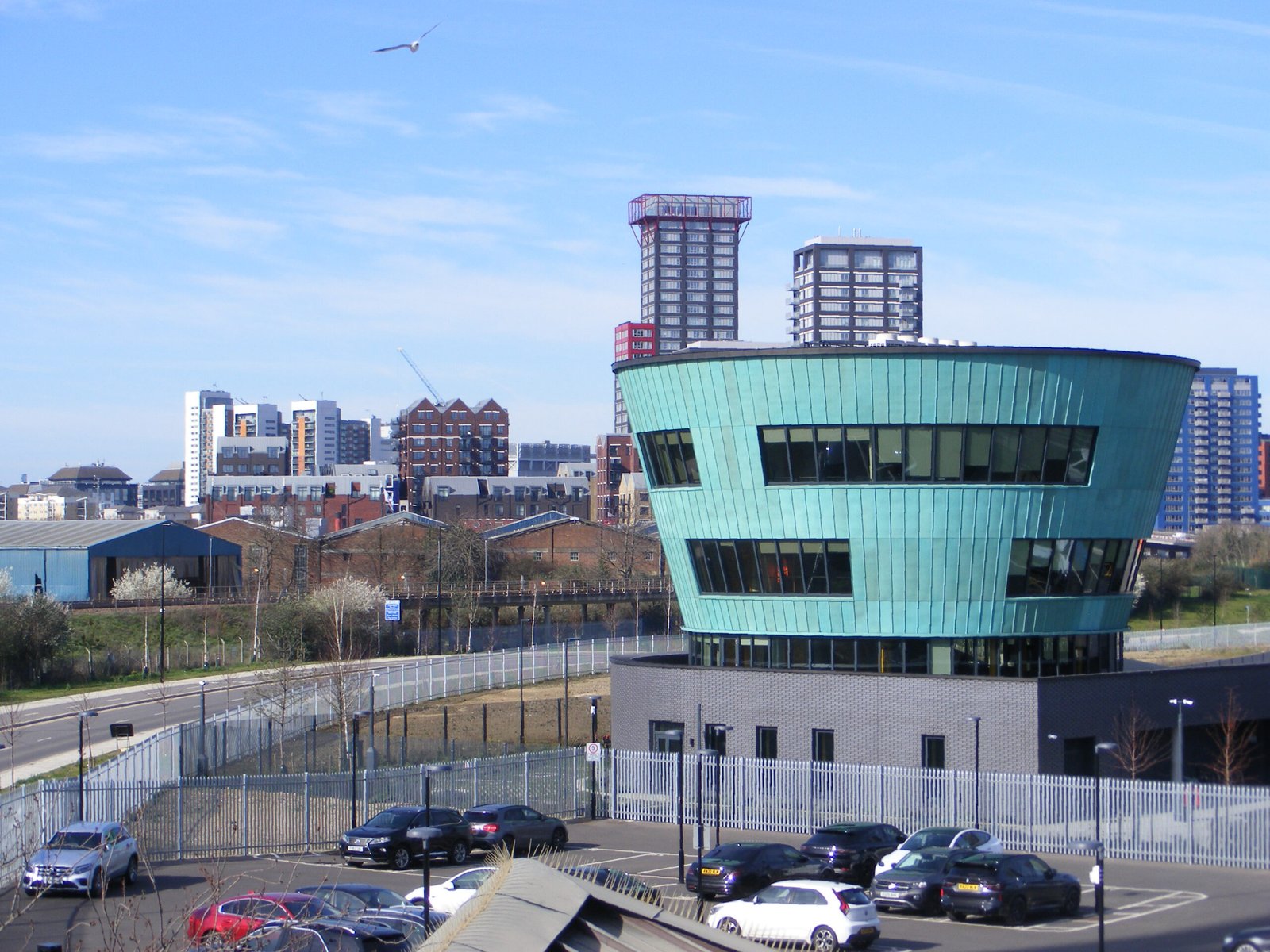
Drivers using the Silvertown and Blackwall tunnels will pay more from today, Monday 21 September, as Transport for London raises user charges for both Thames crossings by around five per cent — the first increase since tolling began when the Silvertown Tunnel opened in April 2025.
For cars and small vans signed up to Auto Pay, the peak charge rises from £4.00 to £4.20, while the off-peak rate goes up from £1.50 to £1.55. The same charges apply at both tunnels, in both directions.
What drivers will pay from today
The new Auto Pay rates, confirmed by TfL, are:
- Motorcycles: £1.55 off-peak, £2.60 peak (up from £2.50)
- Cars and small vans: £1.55 off-peak (up from £1.50), £4.20 peak (up from £4.00)
- Large vans: £2.60 off-peak (up from £2.50), £6.80 peak (up from £6.50)
- Heavy goods vehicles: £5.25 off-peak (up from £5.00), £10.50 peak (up from £10.00)
Charges apply between 06:00 and 22:00 every day. Peak rates run Monday to Friday only — 06:00 to 10:00 northbound and 16:00 to 19:00 southbound — with weekends and bank holidays charged at off-peak rates for Auto Pay users. Journeys overnight are free, as they are on Christmas Day.
Drivers who are not registered for Auto Pay are charged the peak rate whatever time they travel, and must pay online, via the TfL app or by phone within three days. TfL says existing discounts for eligible residents, businesses and Blue Badge holders will remain in place, and there are no changes to Penalty Charge Notices or registration fees.
Why charges are going up
TfL says the increase is linked to inflation. The new charges are based on the cumulative change in RPI between December 2024 — when the TfL Board approved the initial user charges — and March 2026, an inflationary rise of 4.9 per cent, rounded to the nearest 5p. In practice, TfL says, most charges rise by less than that because of the rounding, giving an effective overall increase of 4.4 per cent.
The transport authority says the charges are designed first and foremost to manage traffic demand across the two crossings, and that they also help repay the costs of building, operating and maintaining the Silvertown Tunnel, with any surplus reinvested in the wider public transport network. It is the latest TfL charging decision affecting the capital’s drivers, following a row over black cab age limits, and comes months after the Congestion Charge rose from £15 to £18 in January.
Christina Calderato, TfL’s director of strategy, defended the rise, saying: “The tunnel user charges are designed to manage traffic demand — which then enables wider objectives like improving the road network’s performance and resilience, encouraging use of public transport and active travel, and supporting economic growth.”
“Without the tunnel user charge, there would be more traffic and congestion, with negative impacts on air quality and journey times.”
A “success” after year one, says City Hall
The increase follows TfL’s first-year monitoring report for the 1.4km twin-bore tunnel, which links Silvertown in Newham with the Greenwich Peninsula and was built to relieve the chronically congested Victorian-era Blackwall Tunnel.
According to the report, morning peak journey times on the A102 northbound approach to the Blackwall Tunnel have fallen by 58 per cent, while evening peak delays are down 47 per cent. Nitrogen dioxide concentrations are down by an average of 17 per cent, cross-river bus journeys have surged by 290 per cent — with 21 zero-emission buses an hour, including the Superloop SL4 — and over-height vehicle incidents at the Blackwall Tunnel have dropped by 23 per cent.
The Mayor of London, Sadiq Khan, said: “This analysis shows that the Silvertown Tunnel is proving a success, not only cutting journey times but encouraging more sustainable transport so we can keep cleaning up our air. I’m particularly pleased to see major reductions in congestion at the Blackwall Tunnel benefitting businesses and local residents.”
Alex Williams, TfL’s chief customer and strategy officer, added: “It’s excellent to see that the Silvertown Tunnel is successfully achieving what it set out to do — improving the resilience of the road network and reducing congestion, with air quality improving.”
Criticism
Critics of the tolls argue they have simply pushed traffic onto other crossings that remain free to use, and motoring groups have questioned whether drivers are being asked to pay ever more to use London’s roads. TfL maintains that without the charges, congestion and air pollution around the crossings would be significantly worse.
Around 100,000 vehicles use the two tunnels on a typical working day, according to reports — making the new charges one of the most widely felt changes to the cost of driving in the capital this year, alongside the Mayor’s wider transport agenda including the tripling of 20mph speed limits across London.
Reporting based on Transport for London, Carwow, Fleet World and British Bulletin.