


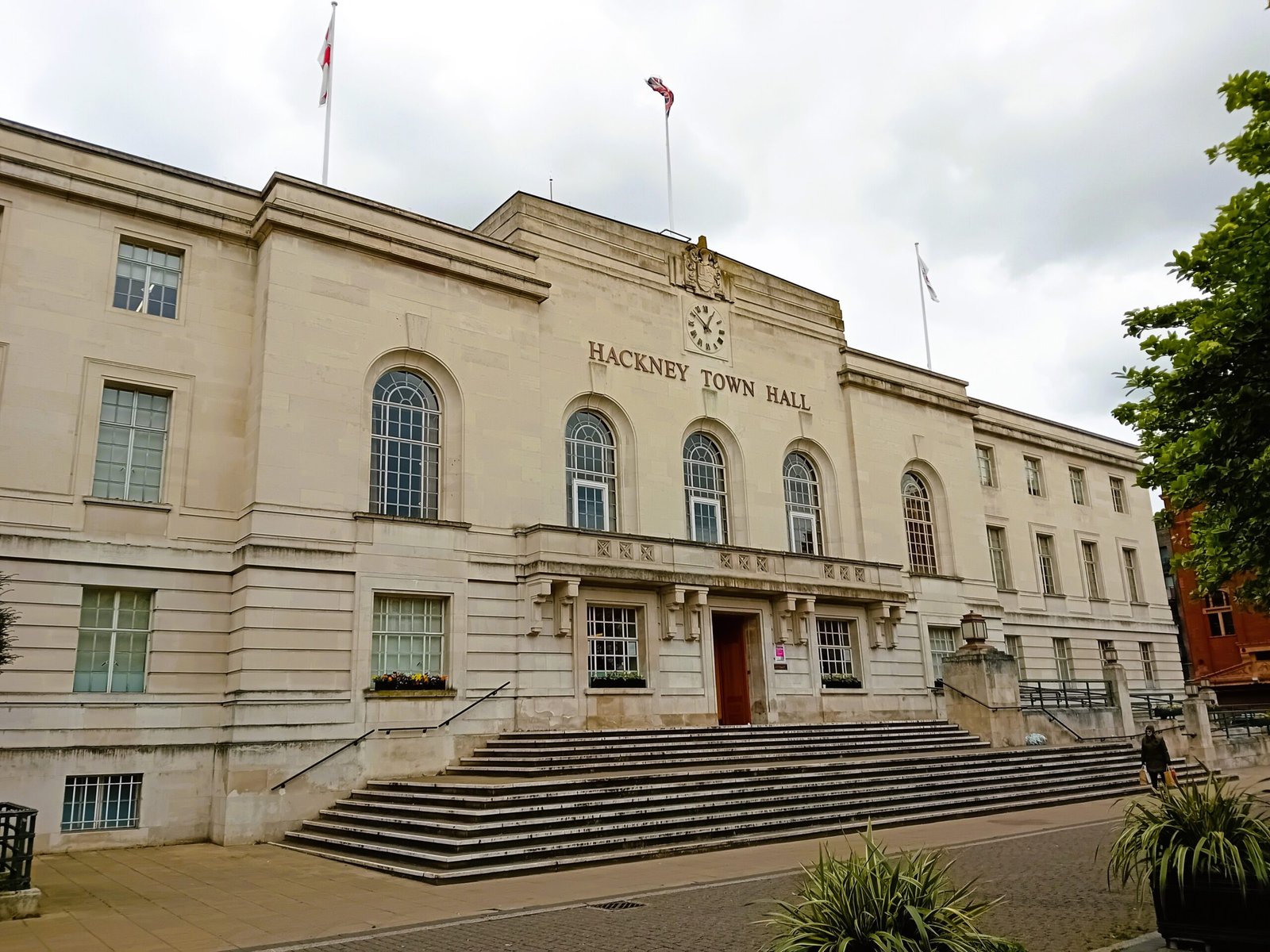
Around 200 councillors, trade unionists and Green Party members gathered at Hackney Council’s “anti-austerity summit” this week to debate how local authorities should respond to ongoing cuts — with the borough’s Green mayor setting a clear limit on how far the council will go.
The daytime summit, hosted by the Green-run authority, centred on whether councils should refuse to set cuts budgets in spring 2027 and instead pass “no-cuts” or “social needs” budgets, according to the East London Times, which reported on the event.
The paper reports that Zoë Garbett, the Mayor of Hackney, told delegates her administration would not risk government commissioner intervention — effectively ruling out any move that could see central government step in to run the borough.
That position, the report says, drew a dividing line through the summit: while delegates agreed on a broad platform of campaign demands, many questioned whether councils could ever mount a collective refusal to set cuts budgets without the kind of mass mobilisation outside the town hall to back it up.
Five demands agreed
Delegates agreed five principal campaign demands, the East London Times reports:
- Restoring local government funding settlements to at least pre-2010 levels, with funding based on community need
- Cancelling historic local authority debt
- Direct capital funding to build council homes each year, alongside an end to Right to Buy and a move away from developer-led models
- Reforming council tax so wealthy property and land owners pay a bigger share of local revenues
- Ending outsourcing and privatisation, expanding council powers, and restoring public sector pay and conditions, including four-day week models
Attendees amended the initial text during the session, the report says, sharpening a general demand for “social housing” into an explicit call for council housing, and upgrading a request for pay “improvements” into a demand for the full restoration of lost wages.
27 October protest backed
Delegates also backed immediate campaign steps, including support for a trade union anti-austerity demonstration on the eve of the national Budget on 27 October, a protest against technology firm Palantir, and plans for local anti-cuts committees involving councillors, union branches, trades councils and community groups, according to the report.
Green councillors from Haringey were among those pushing hardest for no-cuts budgets in spring 2027 — provided a group of councils could act together — while one delegate warned Green administrations must avoid becoming “Labour 2.0” by simply administering Westminster’s austerity, the East London Times reports.
But the summit left key questions unresolved: how councils would handle the legal consequences of refusing to set a balanced budget, and whether the campaign should demand more central government cash or greater local tax-raising powers. Delegates also debated Modern Monetary Theory, with Labour councillor Simon Ripton arguing state finances should not be judged like a household budget, while critics said MMT arguments can obscure questions of wealth distribution.
The summit follows more than a decade of funding pressure on town halls. The East London Times notes that core central funding for councils fell by an estimated 40% in real terms between 2010 and 2020, leaving authorities reliant on council tax, business rates and commercial income — and several councils have since issued Section 114 notices, effectively declaring insolvency. Hackney Council has already urged a rethink of bus cuts in the borough, while the council recently approved a 280-home co-living development in Hackney Wick.
Based on reporting by the East London Times.