


London’s school suspension and permanent exclusion rates have fallen to half the national average after the first full year of the Mayor of London’s Inclusion Charter, new data published by City Hall shows.
The figures show a 14 per cent reduction in the exclusion rate for the last academic year, alongside a 7 per cent fall in suspensions and a 2 per cent drop in persistent absenteeism. In boroughs that have fully committed to the Charter’s principles and are delivering several Violence Reduction Unit (VRU)-funded programmes, the reductions are even greater.
The Charter was established by the Mayor’s VRU in February 2024 to combat rising absenteeism and suspensions, and is publicly backed by 30 London boroughs and 30 national charities. The stakes are high: young people are twice as likely to be involved in violence in the first 12 months of being permanently excluded, according to research highlighted by City Hall.
The Mayor of London, Sadiq Khan, said: “I firmly believe that the best way to keep our young people safe and give them the best possible start in life is to keep them in school. Evidence shows why that’s crucial, with young people twice as likely to be involved in violence after being excluded.
“It’s why my Violence Reduction Unit has invested so much into London’s Inclusion Charter and it’s pleasing to see exclusion and suspension rates drop to half the national average.
“Our investment and partnership with UNICEF UK shows that when we invest in children’s rights and support London’s hardworking teachers with the right tools, we create classrooms where young people feel safe, feel they belong and can thrive. I urge more schools to take advantage of this game-changing offer as we continue to build a safer, fairer London for everyone.”
Rights-respecting schools
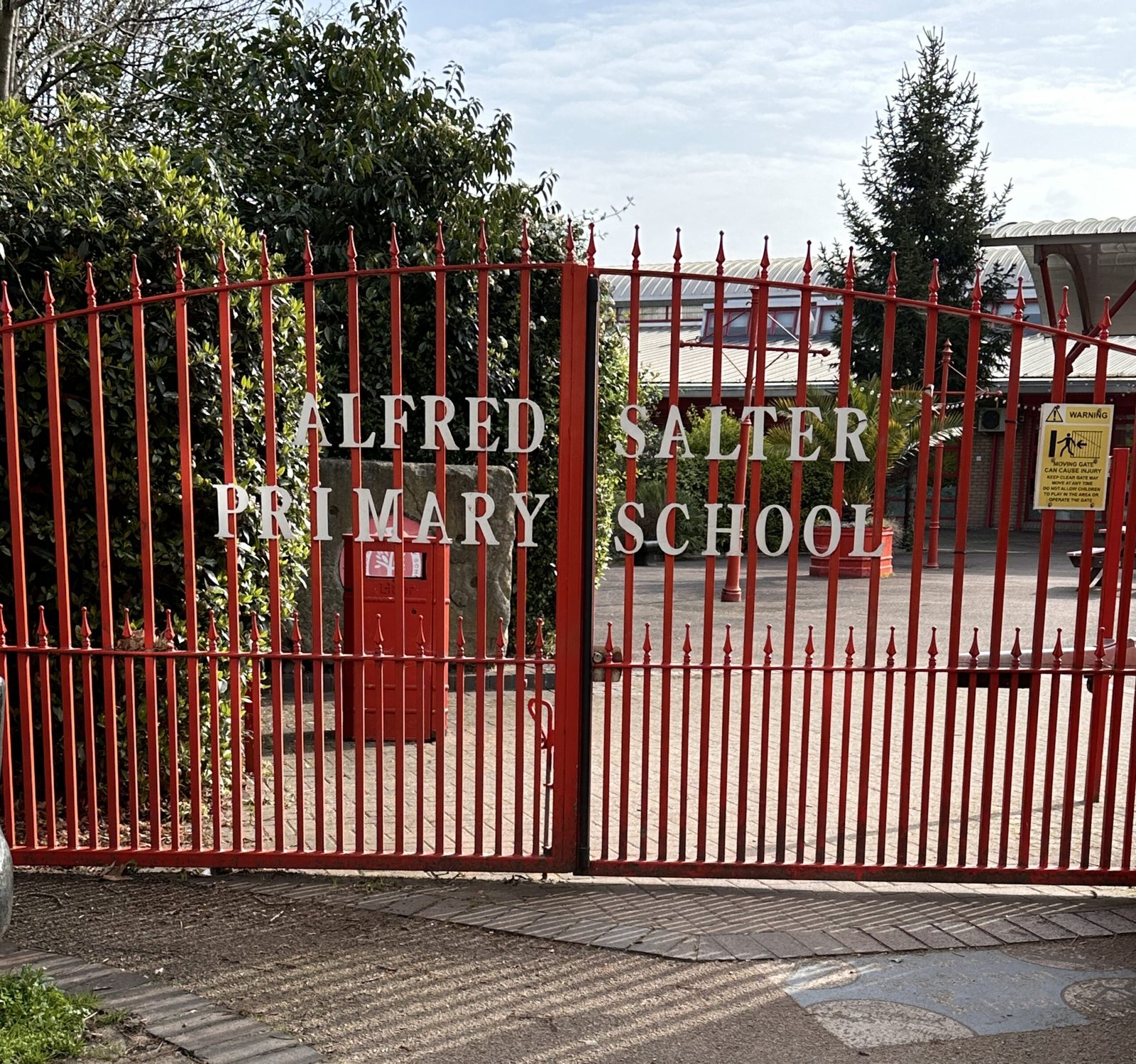
A cornerstone of the Charter is a £1.4m investment in UNICEF UK’s Rights Respecting Schools Award, which gives every state-funded school in London free access to tools that embed children’s rights into school ethos, policy and practice. More than 730 schools have taken up the offer, introducing inclusive practices to over 360,000 children. A primary school in Dagenham recently won UNICEF UK’s top Gold award for children’s rights.
An independent 12-month evaluation commissioned by the VRU and carried out by the University of Strathclyde surveyed almost 2,000 children and teachers across primary and secondary schools. It found pupils and teachers feel safer, more included and more connected in schools that have fully embraced the programme, with clear boundaries, consistent rules and consequences having a positive impact on behaviour.
The offer remains free to all state-funded education settings in the capital for the next two years. Almost a quarter of London schools have now signed up, and the Mayor is urging the rest to follow. Getting the approach right for teachers matters too, with the NEU set to decide on Thursday whether a teachers’ strike ballot goes ahead this autumn.
£16m of targeted interventions
The programme sits within the VRU’s wider £16m investment in targeted interventions designed to cut lost learning by keeping children in school. That includes oracy interventions in primary schools — monitoring data shows 96 per cent of children narrowed the communication gap to their peers, improving communication skills and reducing playground incidents — and a mentoring programme in pupil referral units in every London borough for 2,200 young people, which is leading to increases in attendance. A campaign in Hammersmith & Fulham is racing to put a book in every primary pupil’s hands.
The Mayor and Lib Peck, director of London’s VRU, were joined by UNICEF UK on a visit to St Augustine’s School in Kilburn to see the programme’s impact. Headteacher Rachel Kelly said the award “strengthens relationships between students and staff, supports our safeguarding work and gives young people meaningful opportunities to have their voices heard”.
“The strength of London’s Inclusion Charter has always been genuine partnership and whilst we have seen reductions in exclusions, suspensions and persistent absenteeism, it’s clear there is more to do to ensure no child misses out on learning and becomes vulnerable to violence,” said Lib Peck, director of London’s VRU.
Borough-level gains
Comparing the last academic year with 2022/23, before the Charter was in place, Sutton has seen a 63 per cent reduction in the rate of permanent exclusions, a 22 per cent fall in the rate of suspensions and an 18 per cent drop in persistent absence. Lewisham has seen suspensions fall 11 per cent, while Wandsworth has seen permanent exclusions fall by a third.
The Mayor has invested more than £100m in young people, and the VRU — the first in England and Wales — has funded more than half a million targeted interventions and opportunities over seven years. ONS figures show a 15 per cent drop in knife crime in the last 12 months.