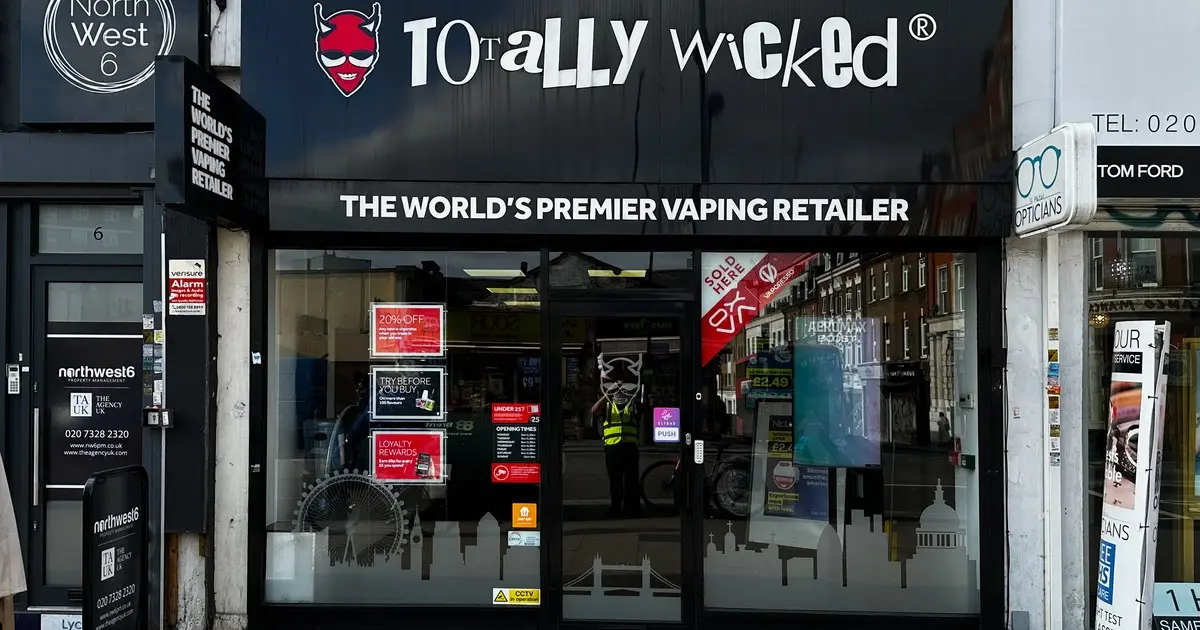
Hundreds of vape shops across London are set to lose their business rates relief after the Chancellor confirmed the sector will be carved out of the discount in the Budget.
John Healey told MPs on Wednesday: “I will carve out adult gaming centres and vape shops from business rate reliefs.” The move is expected to affect 452 vape shops across the capital, according to an analysis by Ecigone based on Google Maps listings.
Business rates relief reduces the annual rates bill a shop pays to its local council, so losing it leaves affected retailers facing their full bill. For small high street shops operating on tight margins, that is a fixed cost increase they cannot avoid by selling less stock or cutting opening hours.
The highest concentration of affected shops is in Westminster, which has 41 vape outlets, followed by Tower Hamlets with 37 and Newham with 28. Between them, those three boroughs account for more than a fifth of the London total, a reflection of how densely vape retailers cluster in busy central and east London shopping areas.
The rates change is the second cost blow to hit the sector in a single month. The Vaping Products Duty came into force on 1 October, adding a charge of £2.20 per 10ml of vaping liquid. Shane Margereson, founder of Ecigone, said customers have already seen prices rise since the duty began, and losing rates relief piles another cost onto high street shops.
“Vapers have already seen prices go up since the new duty started on October 1, and losing rates relief adds another cost for high street vape shops on top of that,” he said.
Most of the affected businesses are small and locally run, and Mr Margereson argued their role in helping adults move away from cigarettes should count in their favour. “Most of these are small local businesses helping adults move away from cigarettes, so the worry is that higher costs for legal shops make illegal vapes look cheaper by comparison,” he said.
That warning goes to the heart of the policy tension. Ministers have spent recent years tightening the rules on vaping, including caps on nicotine strength and tank sizes, while also trying to keep the legal market competitive against illicit sellers who ignore those rules entirely. If legal shops have to raise prices to cover higher rates bills, the price gap with illegal products widens.
The Government has said that whether the cost of the new duty is passed on to customers is a commercial decision for individual retailers. The same logic applies to the rates change: each shop must decide whether to absorb the extra cost, raise prices, or cut back elsewhere.
For customers trying to manage rising costs, Mr Margereson suggested switching to a refillable kit, buying only from UK-registered sellers, and comparing prices between retailers. He said bottled e-liquid is generally cheaper per ml than prefilled pods and that a refillable kit can pay for itself within a few months.
He also stressed the importance of buying from UK-registered sellers. Legal vapes sold in the UK are notified to the Medicines and Healthcare products Regulatory Agency, with nicotine capped at 20mg/ml and tanks at 2ml. “Cheap vapes that break those limits are illegal,” he said, adding that prices can vary significantly between shops since the duty came in, so customers should compare options before buying.
The rates carve-out formed part of a wider Budget package in which the Chancellor set out changes to business rates and local government funding, including plans for councils and mayors to keep a greater share of rates income. The Budget also name-checked major London projects such as the Bakerloo line extension, but for small retailers the immediate story is a higher fixed bill at a time when high street trading is already under pressure.
That pressure is not unique to vape shops. Independent retailers across the capital have faced rising energy, staffing and rent costs in recent years, while new openings still arrive — Greggs recently opened a new Central London shop creating 12 jobs — and established venues fight to stay open, as the new team taking over Bexleyheath’s Prince Albert pub shows. The question for vape retailers now is how many of the 452 London shops can absorb one more cost increase without passing it on or closing.
What happens next depends on how individual businesses respond. Some may raise prices, some may lean harder on refillable products with better margins, and some may decide the numbers no longer work. What is certain is that the relief they previously counted on is gone, and the capital’s vape shops will be trading on a different cost base from here on.