


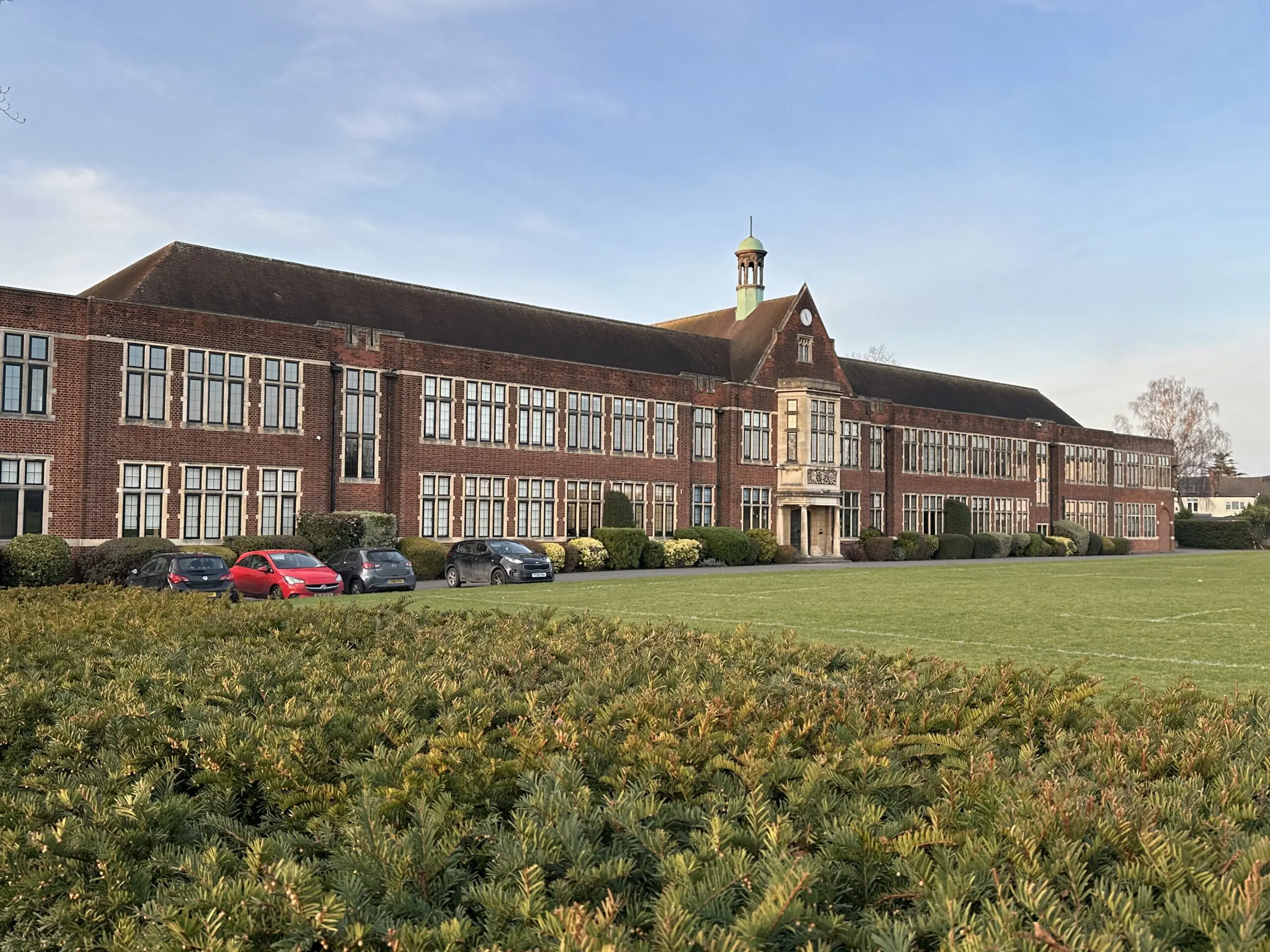
A boys’ grammar school in Barnet has been judged “exceptional” in every area examined by Ofsted, cementing its standing as one of the finest state schools in England.
Queen Elizabeth’s School was awarded the highest possible grade across all seven areas of school life in a new inspection report, with inspectors describing the 1,314-pupil school for boys aged 11 to 18 as “a remarkable school”.
The seven areas assessed — achievement, attendance and behaviour, curriculum and teaching, inclusion, leadership and governance, personal development and wellbeing, and post-16 provision — were examined during an inspection in the summer term, with the school taking the top grade in every single one.
Under Ofsted’s reformed approach to inspection, schools are graded separately across each area of school life rather than handed one overall verdict, making a clean sweep of the highest grades a rare distinction. The area-by-area report cards are designed to give parents a far more detailed picture of a school’s strengths — and very few schools can claim top marks across the board.
The verdict is the latest in a string of accolades for the selective school, which was named state secondary school of the year in a national parent power guide earlier this year and regularly sits at the top of national league tables combining GCSE and A-level results. It is also a fixture at the head of rankings of north London’s best schools.
Competition for places is fierce: around 2,000 boys sit the 11-plus each year for just 120 places. This summer’s results underlined why — 62 per cent of all A-level grades were awarded at A*, with 97.8 per cent at A* to B.
The inspection verdict caps a strong year for Barnet’s schools more widely. Top GCSE grades in the borough were awarded at nearly twice the national rate this summer, underlining Barnet’s place among the strongest-performing areas for secondary education in the capital.
Founded in 1573 by Robert Dudley, Earl of Leicester, under a charter from Elizabeth I, Queen Elizabeth’s School counts among its former pupils TV judge Rob Rinder, Microsoft AI chief executive Mustapha Suleyman and Google DeepMind co-founder Demis Hassabis.
Inspectors who observed lessons, spoke to pupils and met staff wrote: “Pupils love coming to school. They enjoy being academically challenged and embrace the extraordinary amount of wider opportunities that they access.”
The report added that although pupils “are very able when they enter in Year 7, the school accelerates their progress through the curriculum to ensure that they are extremely well prepared to thrive when they leave the school”.
In the section titled “What it is like to be a pupil at this school”, inspectors wrote: “Pupils excel at this remarkable school. They are highly ambitious and take immense enjoyment in extending their understanding across the very broad curriculum.”
The praise for the “very broad curriculum” chimes with a wider London trend, with the capital’s schools bucking the national decline in GCSE language learning.
“Expert teachers relentlessly support pupils to develop a deep knowledge of the curriculum and become intellectually agile. As a result, achievement in national examinations at both GCSE and A-level is astonishing.”
Pupils with special educational needs were found to make remarkable progress in line with their peers thanks to bespoke support that enables them to flourish. Attendance was described as exceptionally high and behaviour as “exemplary”, with inspectors noting: “Pupils are polite, kind and extremely articulate. Bullying is rare, but pupils know that staff would address this swiftly and effectively if it were to happen.”
The “exemplary” behaviour judgement comes as London schools more widely are driving down exclusions, with the capital’s rate running at half the national average under the Mayor’s Inclusion Charter.
Sport and extra-curricular activities provide what inspectors called “elite-level experiences”, including water polo, Eton Fives and fencing, while pupils regularly compete in national and international competitions in debating, robotics and chess.
“Leaders are absolutely relentless in identifying any small areas in the school that can be improved,” the report added.
Headmaster Neil Enright said: “This tremendously positive inspection report is testament to the dedication and expertise of my colleagues in unlocking the boundless potential of our very able pupils.”
“Behind our success also lie the hard work and free-thinking scholarship of the boys, and the constant support of the whole Elizabethan community, including parents, governors and alumni.”
Mr Enright said inspectors had recognised the school’s wider offer, from the breadth of co-curricular activities delivered through its QE Flourish programme to the careers and university guidance provided to pupils of all ages by QE Futures.
“Through our bespoke pastoral and tutorial system we place great emphasis on creating a happy community that supports boys’ wellbeing, so I was delighted to read the inspectors’ comments about the kindness shown by pupils and their ‘exemplary’ behaviour,” he added.
The school’s pupil profile shows 4.16 per cent of pupils in receipt of free school meals, 0.46 per cent with an education, health and care plan and 1.07 per cent identified as having special educational needs.