


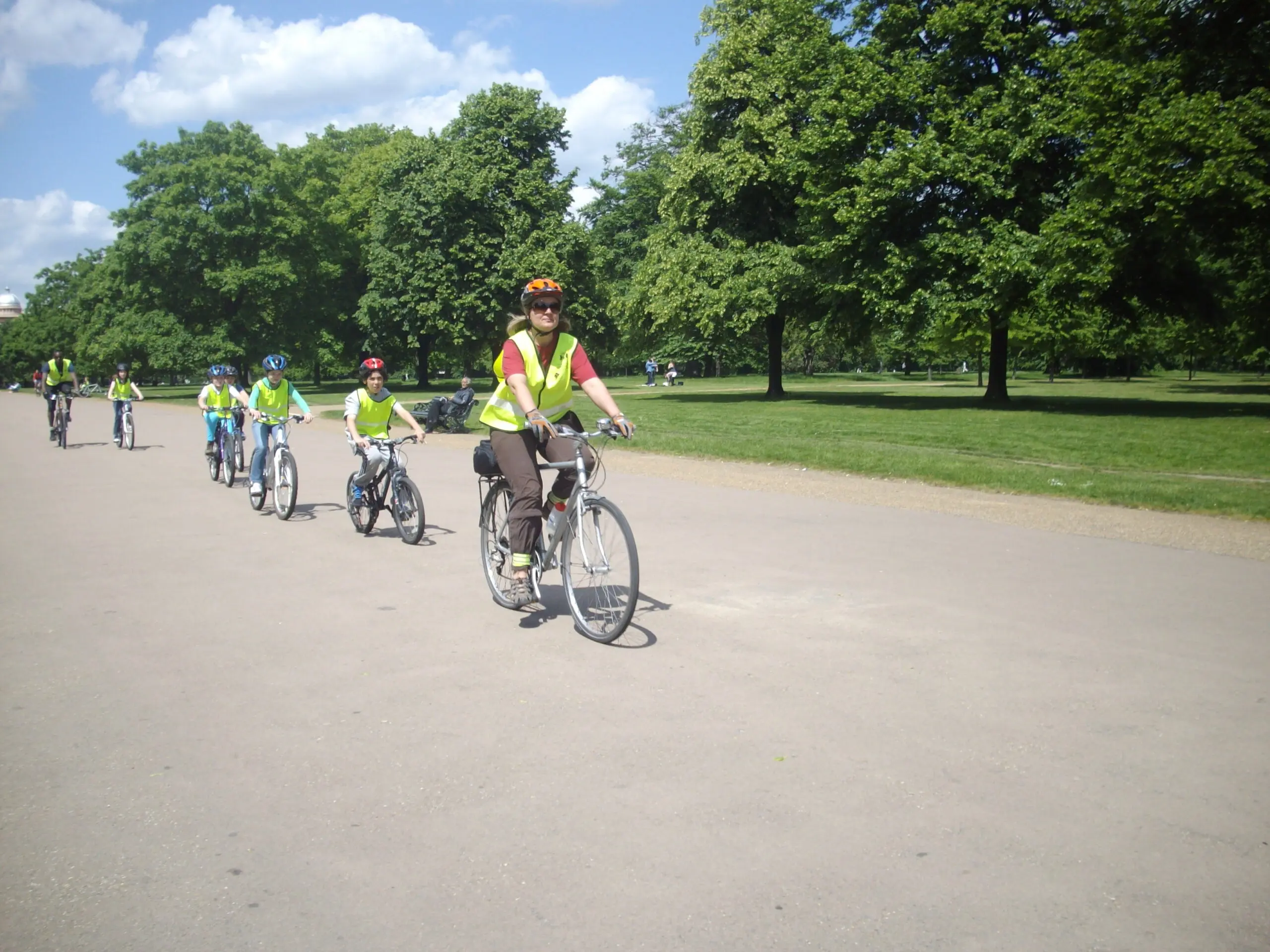
More than a thousand London schools have been recognised with gold awards for making the daily school run cleaner, healthier and safer, in what Transport for London says is a record year for its school travel programme.
A total of 1,057 schools across the capital have reached gold standard under TfL’s Travel for Life scheme, the accreditation programme that rewards schools for cutting car journeys and getting more pupils walking, cycling, scooting and using public transport.
The figure is the highest since the scheme began, and means hundreds of thousands of children are now travelling to lessons in ways that cut congestion, clean up the air around school gates and build healthy habits for life.
What the gold award involves
Gold is the top tier of the Travel for Life accreditation, and it is not handed out lightly. To reach it, schools must complete 48 separate activities over the course of the programme — from whole-school assemblies on road safety to pupil-led sustainability clubs and balance bike workshops that get the youngest children confident on two wheels.
The accreditation lasts for three years, and schools must also prove real change in how pupils travel. There are two routes to gold: either cut car use on the school run by at least six per cent, or show that 90 per cent of morning and afternoon journeys are already made by sustainable transport.
The activities are designed to weave travel thinking into everyday school life rather than treat it as a one-off project. Assemblies introduce pupils to the rules of the road and the impact of traffic on air quality, while clubs and workshops give children practical skills — from riding a balance bike to planning a safe walking route.
Sitting alongside the main scheme is TfL Navigators, a road safety education programme aimed at 16 to 18-year-olds. It targets the age group on the cusp of driving cars, riding mopeds and motorcycles or cycling independently, using workshops to explore the consequences of choices made on the road.
Why it matters
The school run is one of the most concentrated bursts of traffic on London’s roads each day, and the pollution and danger it brings are felt most by children themselves. TfL says the programme is helping to tackle both, while also supporting pupils’ physical and mental health through active travel.
Lilli Matson, TfL’s chief safety, health and environment officer, said: “Knowing how to travel safely and sustainably is a key life skill, and we want to thank the many schools across London that are continuing to build TfL Travel for Life into their curriculum to help reduce road danger and air pollution, as well as improve both physical and mental health.”
She added: “Learning to drive a car, ride a moped or motorcycle or cycle independently can be a really exciting time for young people as they become more independent, and it’s vital that as they do so, they have a good understanding of the rules of the road, and the potential consequences of their choices and behaviours. Our new TfL Navigators programme approaches all this in a fun, thought-provoking and accessible way.”
The mayor’s walking and cycling commissioner, Will Norman, said: “I’m delighted that a record number of schools across London are so deeply committed to helping more children walk, cycle and scoot across the capital, working to improve road safety and air quality in their communities. We’re determined to keep building on this success, as we want even more people to benefit from TfL’s Travel for Life programme, so I really encourage any schools that aren’t signed up yet to get involved.”
The record tally reflects years of work by schools, boroughs and TfL to make active travel the easy choice. Measures such as school streets, which restrict traffic outside school gates at drop-off and pick-up times, have become increasingly common — Barking and Dagenham recently approved plans for more school streets as part of a borough-wide parking strategy.
Lower speed limits around schools have also played a part in making walking and cycling feel safer, with 20mph limits more than tripling across London under Sadiq Khan.
Community events are helping to keep the momentum going. Barking recently hosted its first-ever London Cycling Festival, aimed at getting more residents — including young riders — on their bikes.
And it is not the only gold honour landing in the capital’s classrooms this year: a Dagenham primary school won UNICEF UK’s top Gold award for children’s rights, showing London schools are picking up national recognition on multiple fronts.
With 1,057 schools now holding gold status, TfL is urging the schools that have not yet signed up to join the programme — and help even more children travel to school in ways that are greener, safer and healthier.

