


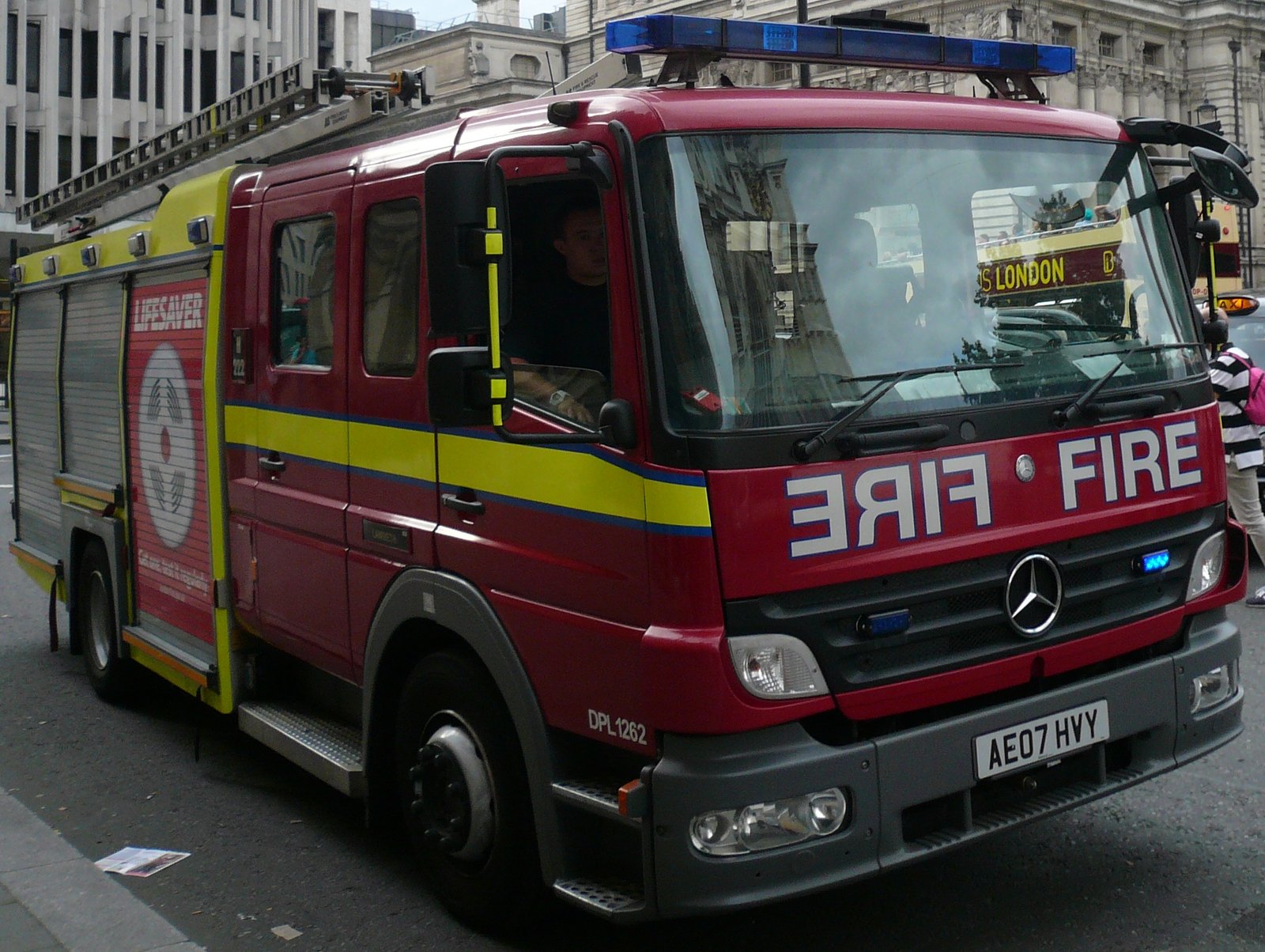
LONDON — The London Fire Brigade has been told it could face criminal charges over the Grenfell Tower disaster, after the Metropolitan Police submitted a charging file relating to the brigade itself to the Crown Prosecution Service.
The Met informed the brigade that, following its investigation into the events surrounding the 2017 fire, a file has been passed to the CPS for its consideration in respect of London Fire Brigade. Prosecutors will now independently review the evidence and decide whether any prosecution should follow — and, if so, for what offences.
No charges have been brought at this stage, and all charging decisions remain pending. The submission of a file is a step in the process, not a verdict: it will be for the CPS alone to judge whether the evidence meets the legal tests for a prosecution.
London Fire Commissioner Jonathan Smith said the brigade welcomed the progress in the investigation and reaffirmed his commitment to giving the CPS full cooperation, as the brigade had sought to do throughout the police inquiry, known as Operation Northleigh.
“We remember the 72 people who lost their lives, and our thoughts remain with the bereaved, survivors and everyone whose lives were changed forever by that night,” the commissioner said.
Mr Smith added that the brigade had accepted the findings of the Grenfell Tower Inquiry and had now implemented all of the recommendations from both phases of the inquiry’s work. “We continue working with our partners across government and the fire and rescue sector to ensure the lessons of the Grenfell tragedy are learnt, and this continues to shape everything we do,” he said.
The development marks a significant moment in the criminal investigation into one of the deadliest fires in modern British history. Shortly before 1am on 14 June 2017, a fire broke out in a kitchen on the fourth floor of Grenfell Tower in North Kensington and spread with extraordinary speed through the building’s combustible external cladding. Seventy-two people lost their lives, and hundreds more were bereaved, injured or forced from their homes.
The Met launched Operation Northleigh, its criminal investigation into the disaster, which has now run for more than nine years and ranks among the largest and most complex inquiries the force has ever undertaken. Detectives have examined the tower’s refurbishment, the materials fitted to its exterior, the conduct of the companies and organisations involved, and the emergency response on the night of the fire.
Alongside the police inquiry, the Grenfell Tower Inquiry, chaired by Sir Martin Moore-Bick, heard hundreds of days of evidence. Its phase one report, published in October 2019, examined the events of the night itself, including the fire service’s “stay put” guidance and the evacuation of the tower. Its phase two report, published in September 2024, examined the deeper causes of the disaster, from the testing and marketing of cladding materials to failures in building regulation and oversight. The brigade says it has acted on every recommendation directed at it across both phases.
Criminal charging decisions have long been expected to follow the conclusion of the inquiry, in part because evidence given to the inquiry cannot be used in criminal prosecutions — a factor that has shaped the sequencing of the investigation. The CPS will now weigh the files before it and decide, independently of the police, whether the evidential and public interest tests for prosecution are met.
The announcement comes a day after it emerged that the Met had handed the CPS charging files relating to 20 companies and 54 individuals in connection with the disaster. That separate development concerned people and firms linked to the tower’s construction, refurbishment and management. Today’s statement relates specifically to the fire brigade as an organisation — a distinct charging consideration that will be judged on its own evidence, with any charging decisions still to be made.
It is important to stress that nobody — and no organisation — has been charged with any offence at this stage. A file sent to the CPS means prosecutors will consider the evidence; it does not imply guilt, and everyone under investigation remains entitled to the presumption of innocence.