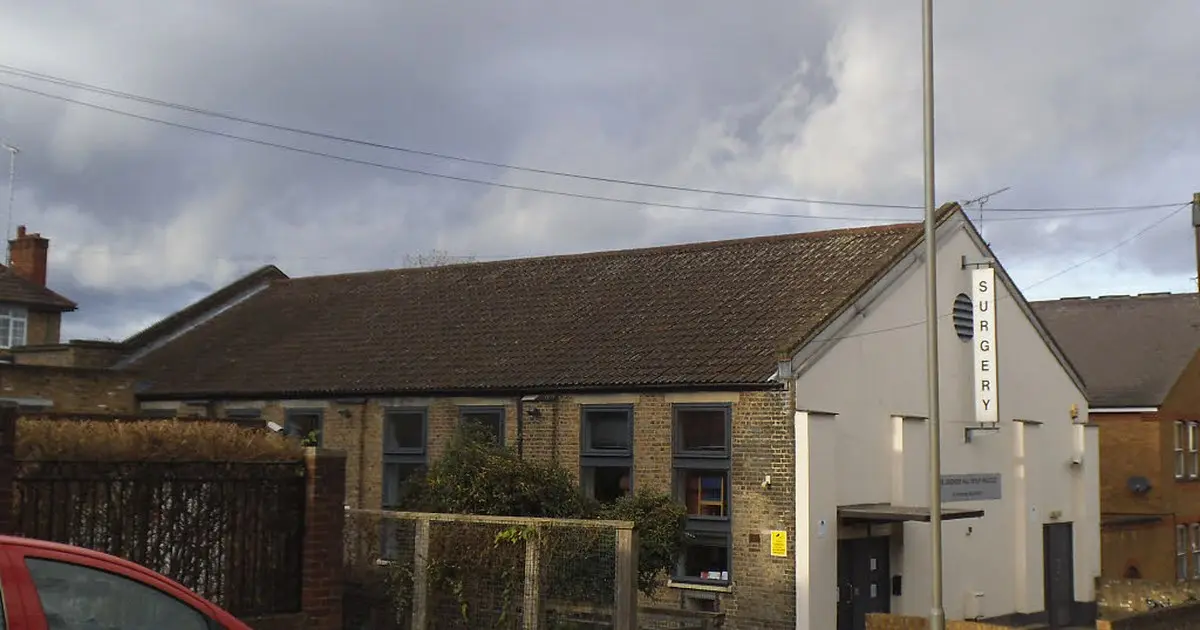
Patients at GP surgeries in London are facing disruption after the technology company behind their practices’ websites and online services collapsed into administration.
Thousands of patients across the UK, including those registered with surgeries in the capital, have been affected by the collapse of Silicon Practice, which provided digital services to doctors’ practices. Entire websites, online consultations and chatbots run by the firm have stopped working, leaving patients unable to use the online routes they would normally rely on.
The affected regions include Gloucestershire, parts of Wales and London. Patients who cannot use online services are now being urged to contact their GP practice by phone or in person instead.
Silicon Practice offered a digital tool called FootFall, which it claimed could cut patient phone calls to practices by 30 per cent by freeing reception teams from routine admin and managing demand more efficiently. The tool had been used in more than 1,000 GP practices across the UK. With the company now in administration, those services have stopped running.
According to the NHS, less than 10 per cent of the approximately 6,000 practices in England have been affected — a small share nationally, but one that still leaves large numbers of patients hunting for another way to reach their doctor.
What London patients are being told
The West and North London Integrated Care Board said practices using Silicon Practice’s services have been advised to inform patients that they will not have access to online consultation requests. For patients in the capital, that means the familiar online form has, for now, been replaced by the phone queue or a trip to the surgery in person.
One affected practice, Rowcroft Medical Centre in Stroud, told its patients this week that it had learned late on Friday 24 October that the company running GP websites across the county had gone into administration and ceased trading. Its website is currently down, but the practice stressed that appointments, telephone calls, emails, the NHS app and its Facebook page continue to operate as normal.
Patients who submitted an online form within the last four hours and have not received a response have been asked to call patient advisers, the practice added — a reminder of how abruptly the failure landed, with requests submitted just before the collapse left hanging.
A familiar strain on GP access
The disruption lands at a time when getting through to a GP is already a sore point for many Londoners. Online consultations were meant to ease that pressure, letting practices triage demand without every patient joining a morning phone queue. When the system behind those consultations vanishes overnight, the pressure simply moves back to the phones and the front desk.
New GP capacity is still being built elsewhere in the capital — Barking Riverside is getting a £1.08m GP surgery as building work gets under way — but bricks and mortar do nothing for patients whose practice website disappeared this week. For them, the advice is simple and immediate: if the website does not work, pick up the phone or walk in.
There is no indication yet of when, or whether, the affected online services will return. The company behind them has ceased trading, and practices are left to tell their patients, one by one, that the digital front door is closed for now.
Administration, for patients wondering what it means in practice, is the process by which a struggling company is placed under the control of an administrator while its future is decided. Day-to-day services do not always survive that process — as the sudden loss of surgery websites, online consultations and chatbots this week has shown. Practices that relied on Silicon Practice’s tools must now find another way to offer the same services, or go without them until a replacement is in place.