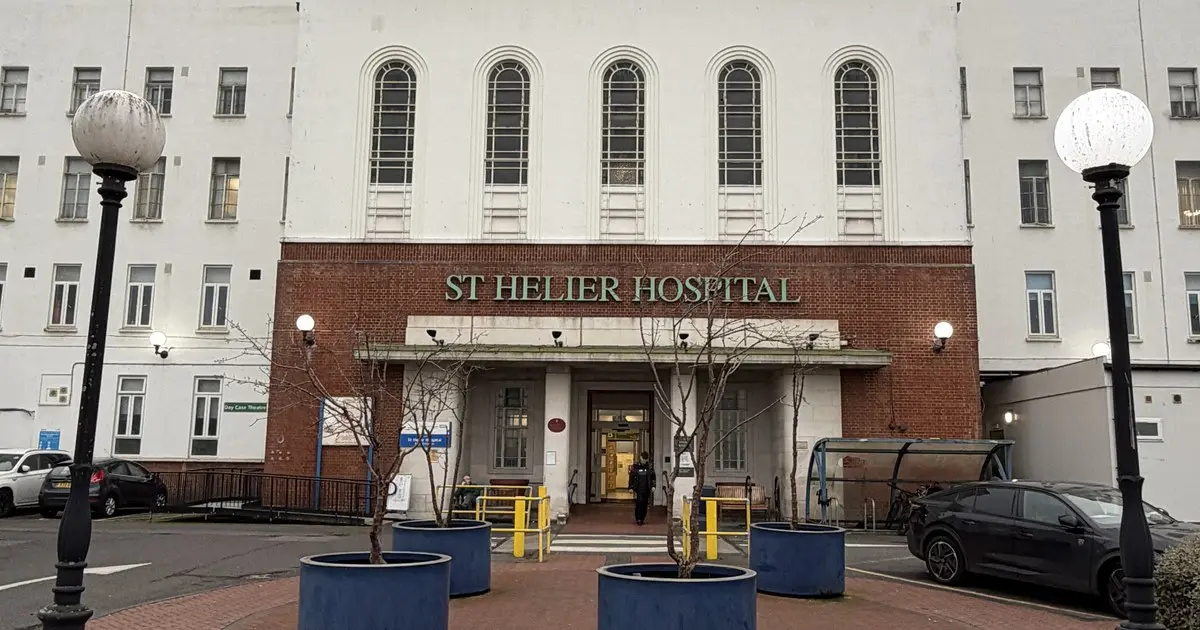
Hospital bosses at Epsom and St Helier have publicly accepted a damning inspection report, setting out the changes they say are already under way to fix the problems inspectors found. The response follows the Care Quality Commission (CQC) report published last week, which rated the leadership of Epsom and St Helier University Hospitals NHS Trust as requiring improvement after an inspection in May.
Site chief executive Chinyama Okunuga said the watchdog had recognised what staff see every day — colleagues working incredibly hard to provide compassionate care, often in challenging circumstances. But, she added, the report also makes clear where the trust needs to improve.
“We accept these findings and are taking action to strengthen how we identify and respond to risks, tackle inequalities and make sure every colleague feels supported,” she said. “Our focus is on turning these improvements into a better experience for every patient and colleague.”
The inspection had found “limited evidence” that leaders acted quickly enough to reduce the potential for avoidable harm, despite problems already identified in maternity, surgery and urgent and emergency care. Inspectors also said more needed to be done to tackle bullying and harassment, particularly involving staff with a disability or a long-term condition, and that disparities within the workforce had worsened rather than narrowed. Recruitment processes designed to remove bias were not being consistently followed, and data showed Black staff and staff from ethnic minority groups were less likely to be hired and were under-represented at senior management level.
Concerns were also raised about the trust’s ageing hospital buildings, several of which were found to be in poor condition. The CQC said the condition of the estate remained a “significant safety risk” and was negatively affecting patient care, particularly in the emergency department.
Among the measures the trust says are already under way are stronger governance, risk escalation and accountability, so concerns are identified and acted on more quickly. New executive and site leaders have been appointed, and the trust said it was working to improve diversity in senior leadership. A Group Inclusion Board has been launched, alongside work to strengthen inclusive recruitment and career development.
The trust has also secured £57 million to redevelop St Helier Hospital’s emergency department. The project will include a new Urgent Treatment Centre and enhanced Same Day Emergency Care, which the trust said would improve patient privacy, dignity and flow.
Bosses also pointed to the more positive findings in the inspection. Patients told inspectors they felt listened to, respected and well cared for, often despite the challenges of the trust’s ageing buildings. Inspectors recognised capable leaders, clear strategies, improvements to complaints handling and strong collaboration with health and care partners. Complaints had fallen by five per cent compared with the previous year, while partnership working had helped shorten waiting times and reduce the need for some patients to be admitted to hospital.
Other work highlighted by the trust includes a health equity dashboard aimed at better understanding differences in patients’ experiences and outcomes, and investment in digital technology, including a new electronic patient record system — although inspectors said further training and development were needed.
There was a mixed picture on learning from incidents. Some staff told inspectors they could clearly describe how incidents had led to changes in practice, while others said they had seen less evidence of lessons being shared and fed back. The trust acknowledged that, while concerns raised by staff had led to improvements, more needed to be done to ensure colleagues felt safe speaking up and that action was taken consistently.
Antoinette Smith, the CQC’s deputy director of hospitals in London, previously said: “We’ve shared our concerns with the trust’s leadership, and they understand the improvements they need to make. We’ll continue to monitor their progress closely to keep people safe while they make these changes.”
The trust provides hospital and community services to around 490,000 people across south London and Surrey, with its two main sites at Epsom Hospital and St Helier Hospital in Carshalton, alongside Queen Mary’s Hospital for Children. The watchdog’s findings stand in contrast to some other recent London inspections — a mental health hospital in Beckton was recently rated good — while Queen’s Hospital in Romford has secured £42 million to rebuild its overstretched A&E, a reminder of the pressure on emergency departments across the capital.