


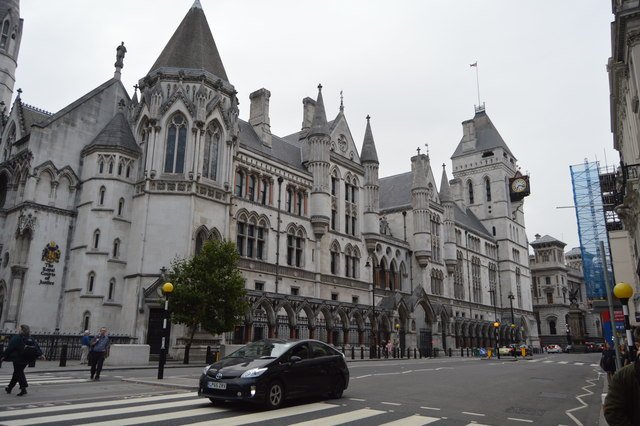
The trial that could redraw the boundaries of corporate accountability opens at the High Court in London today, as the families of two young Tanzanian men take on the London Bullion Market Association over deaths at a gold mine more than 4,000 miles away.
The six-week hearing, expected to run until 20 November, centres on the North Mara gold mine in Tanzania, where two 23-year-old men were killed in separate shootings in 2019. Their families argue that the LBMA — the body that vouches for the integrity of the London gold market — certified gold from the mine as “responsible” despite being aware of serious human rights abuses there. Thirty further claims have been stayed behind this test case.
The LBMA denies that it owes the families any duty of care. It says it does not certify mines, is not in a position to investigate what happens at them, and cannot provide assurances about conditions on the ground. “The LBMA is not the relevant source of information about, and is not in a position to investigate, what goes on at a mine,” a spokesperson has said.
What is the LBMA?
The London Bullion Market Association is the trade association for the London bullion market — the world’s biggest over-the-counter market for gold and silver. Its Good Delivery List is the industry’s gold standard: refiners on the list have their bars accepted for settlement in London, and banks, investors and jewellers around the world treat accreditation as a mark of trust. In 2012 it launched a Responsible Sourcing programme, requiring refiners to demonstrate their gold is not tainted by conflict, money laundering or human rights abuses.
Why is the case being heard in London?
Because the LBMA is based here — and because London is where the world’s gold trade happens. The global gold price is set in the capital twice a day, and the vast majority of large physical gold transactions are cleared through London vaults. The claimants’ case is that a London body selling the world a promise of “responsible” gold can fairly be made to answer for that promise in an English court. It is not the only landmark corporate case before the High Court this week: around 1.6 million drivers are also taking their long-running dieselgate fight back to the court.
What does “duty of care” actually mean?
In English law, a duty of care is the obligation to take reasonable steps to avoid causing foreseeable harm to other people — the principle behind everything from road-accident claims to product-liability cases. The families’ lawyers want the court to apply it in a new setting: that a body whose stamp of approval opens the doors of the global market must take care that the stamp is deserved, and answer to those harmed when it is not.
For the LBMA, that would be an unworkable burden. It is a small, not-for-profit trade association, it argues, not a regulator with inspectors at mine gates in Tanzania. London’s courts are hosting some of the largest corporate trials in the world this season, including a £1 billion lawsuit over the fees charged on Google’s Play Store — but few will be watched as closely by the commodities world as this one.
The money behind the fight
The figures involved show how seriously both sides are taking the case. The LBMA, which held reserves of about £1.4 million at the end of 2025, spent £2.4 million on legal fees last year alone — and if it loses, it could face around £3 million of the claimants’ legal costs on top, before any damages are even considered.
“This case is not about who pulled the trigger,” said Anneke Van Woudenberg, executive director of RAID, the corporate-accountability group supporting the families. The question, she argues, is about the responsibility of the institutions that vouch for the gold in our phones, jewellery and pension funds.
What happens next
Judgment is not expected until next year, but the case is already being watched well beyond the Strand. If the court finds that the LBMA did owe a duty of care to the families, certification bodies across the commodities world — from diamonds to timber — will be reaching for urgent legal advice. Campaigners and residents have repeatedly turned to the High Court to hold powerful bodies to account, as Chiswick residents did when they defeated a tower-block approval — and if the LBMA loses this one, it will have to find another way to make London’s gold market answer for what happens at the mines that feed it.