


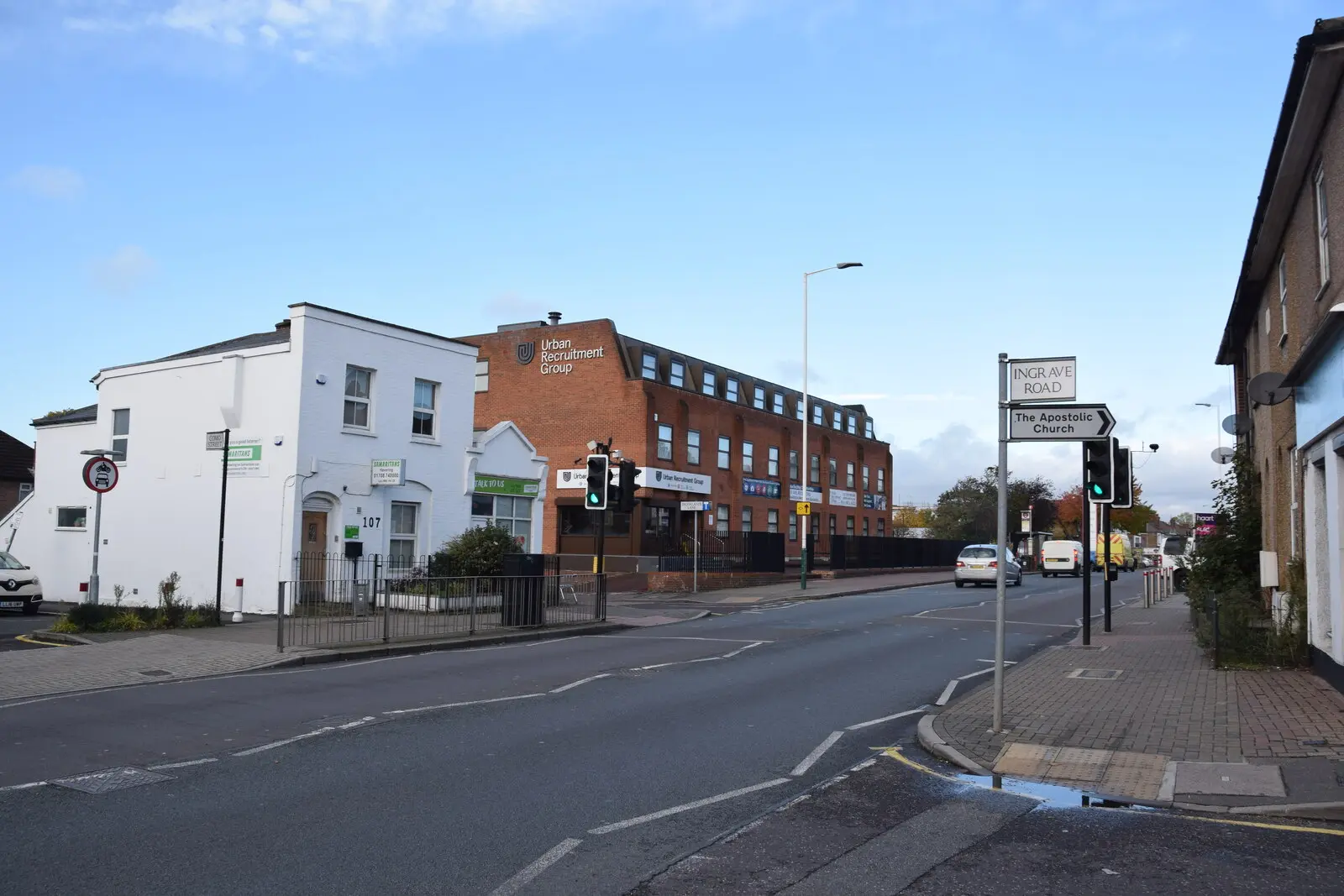
Havering Council has thrown out a retrospective bid to keep a 10-person house in multiple occupation (HMO) running above a former pub and restaurant on North Street in Romford.
The first-floor property at 290 North Street was converted into nine bedrooms, each with its own en-suite bathroom, creating space for up to 10 occupants. Planning permission was never secured before the conversion was occupied, and a retrospective application lodged in June — submitted by Tugby & Tugby Surveyors Ltd on behalf of applicant Mahbub Alum — sought to regularise the development so it could continue operating lawfully.
In documents submitted to planners, the applicant’s agents argued the scheme did not strip the area of protected community space, noting the former pub had never been listed as an Asset of Community Value. The statement also said no formal noise complaints had been recorded against the residential use itself and that soundproofing had been fitted to meet building regulations. Councillors were unpersuaded, and the application was refused.
The planning refusal follows separate trouble for the ground floor. The venue, last trading as The Triangle, saw a premises licence application refused in July after a licensing hearing on 5 June. That bid had sought permission to sell alcohol and stage live and recorded music alongside late-night refreshment. During the hearing, councillors and local objectors raised concerns about late-night noise and anti-social behaviour around the North Street site — objections recorded in the proceedings rather than proven findings.
The decision lands amid a tougher borough-wide stance on retrospective conversions. Across Havering, former pubs and other commercial buildings have increasingly been turned into high-density shared housing, a trend also visible in the approved redevelopment of Romford’s former Atik nightclub into shared-living flats, and the council has signalled it will take a stricter line on schemes that go ahead without permission. Under planning rules, an HMO housing more than six people needs specific ‘sui generis’ planning consent on top of an HMO licence. In this case the licence was in place until September 2026, but the planning consent was not — the gap that forced the retrospective application. Recent cases show landlords who fall foul of housing rules can face heavy fines, a message the North Street refusal reinforces.
So what happens next? The applicant can appeal to the Planning Inspectorate, a process that typically takes several months and would leave the site’s status in limbo in the meantime. In parallel, the council’s planning enforcement team can pursue formal action, which could mean an enforcement notice requiring the HMO use to stop, the upper floor to be returned to its former layout, or occupancy to be cut to six or fewer people, which sits in a different planning use class. The refusal comes as Havering sets out a wider vision for the borough’s future, and the case will be watched as a test of the council’s resolve.
For the up to 10 people living in the building, the refusal brings unwelcome uncertainty. While the HMO licence runs until September 2026, planning enforcement is a separate regime, and residents could eventually be asked to move out if a notice is issued and upheld. Housing advisers generally urge tenants in this position to seek advice early rather than wait for enforcement letters to land.
For neighbours who objected to the venue’s late-night operation, the double refusal — first the licence, now the planning permission — will be read as the council holding the line on amenity in this part of Romford. Whether that line holds will depend on what the applicant does next: appeal, comply, or test the council’s enforcement resolve. London Streets will update this story as the case develops.