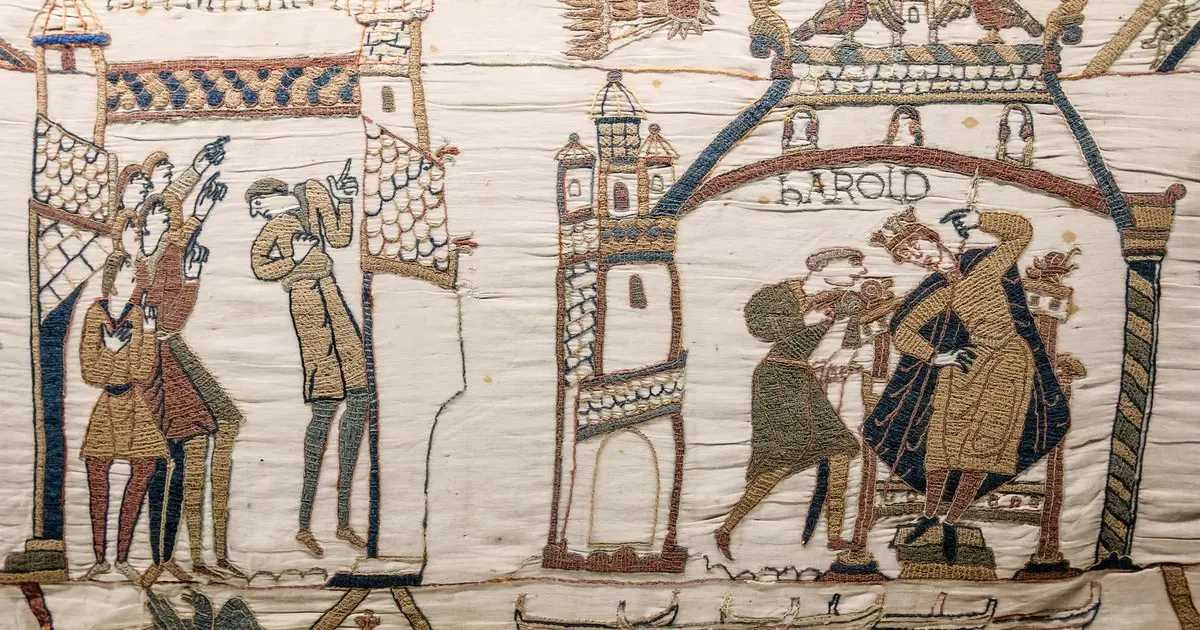
Forget the multiplex. The hottest ticket in town right now is a thousand-year-old piece of embroidery. When the British Museum released its second batch of public tickets for the Bayeux Tapestry, the rush to buy them beat the opening mornings of two of the year’s biggest Hollywood films — and the people doing the buying were, more often than not, under 35.
The figures come from Monzo, which tracked what its customers spent as the tickets went on sale. Payments to the museum surged to 48 times the amount of a regular Wednesday morning. In the first hour alone, Monzo cardholders spent £14,100 on tickets.
To put that in perspective: the opening mornings of The Odyssey and Spider-Man: Brand New Day drew £7,000 and £6,300 respectively from Monzo customers. The tapestry doubled them both. And the average buyer spent far more at the museum checkout than at the cinema — £97, against £19 on Spider-Man’s opening morning.
The spending did not stop after that first hour. Within two hours of the release, Monzo customers had spent £30,500 in total. That is 60 per cent more than the combined average Saturday night takings across six major UK nightlife venues, including Koko, Fabric and Roundhouse. A medieval embroidery, in other words, out-earned a Saturday night out.
What makes the rush striking is who is behind it. More than half of the recent ticket buyers — 55 per cent — were under 35. The tapestry, a woven record of the events leading up to the Norman Conquest of England, is finding its keenest audience among Generation Z and millennial viewers, the very age groups more usually assumed to have drifted away from museums.
Nor is the appeal confined to the capital. Almost half of all buyers were from outside London, with some purchases coming from as far away as Glasgow. For an exhibition on display in the UK for the first time in nearly a millennium, it seems people are willing to travel.
The museum, which has been displaying the tapestry since last month, has had to adapt to the response. Measures to tackle lengthy queues among ticket-holders have been put in place, and visitors are now banned from taking photos — a rule that, for a generation used to documenting everything, is itself a sign of just how seriously the crowds are being managed.
For many visitors, the draw is scarcity as much as history. The tapestry is on display in the UK for the first time in nearly a millennium, which makes this exhibition, for most people, a once-in-a-lifetime chance to see it in person rather than in photographs or reproductions. That rarity helps explain why a second batch of tickets could trigger a rush usually reserved for film premieres and arena tours.
It is easy to see why the exhibition has caught the imagination. The tapestry tells the story of 1066 in stitched wool: the events leading up to the Norman Conquest, from Harold’s journey to the continent to the Battle of Hastings itself. It is history as a strip cartoon, centuries before the form existed, and it has survived for a thousand years.
The rush also fits a wider mood in the capital’s cultural life. Community art is getting its moment too, with two new community-designed murals unveiled at Finsbury Park, while the festive season is already taking shape with the return of the Hampton Court ice rink and Phoebe Bridgers headlining next summer’s All Points East. But few of those draws have produced numbers like these.
Whether the tapestry’s moment lasts beyond the current ticket batches remains to be seen. What the Monzo figures already show is that the appetite for history, at least in this case, is not a niche interest — it is outselling Hollywood, drawing in young audiences, and pulling visitors across the country. For a thousand-year-old embroidery, that is quite a second act.