


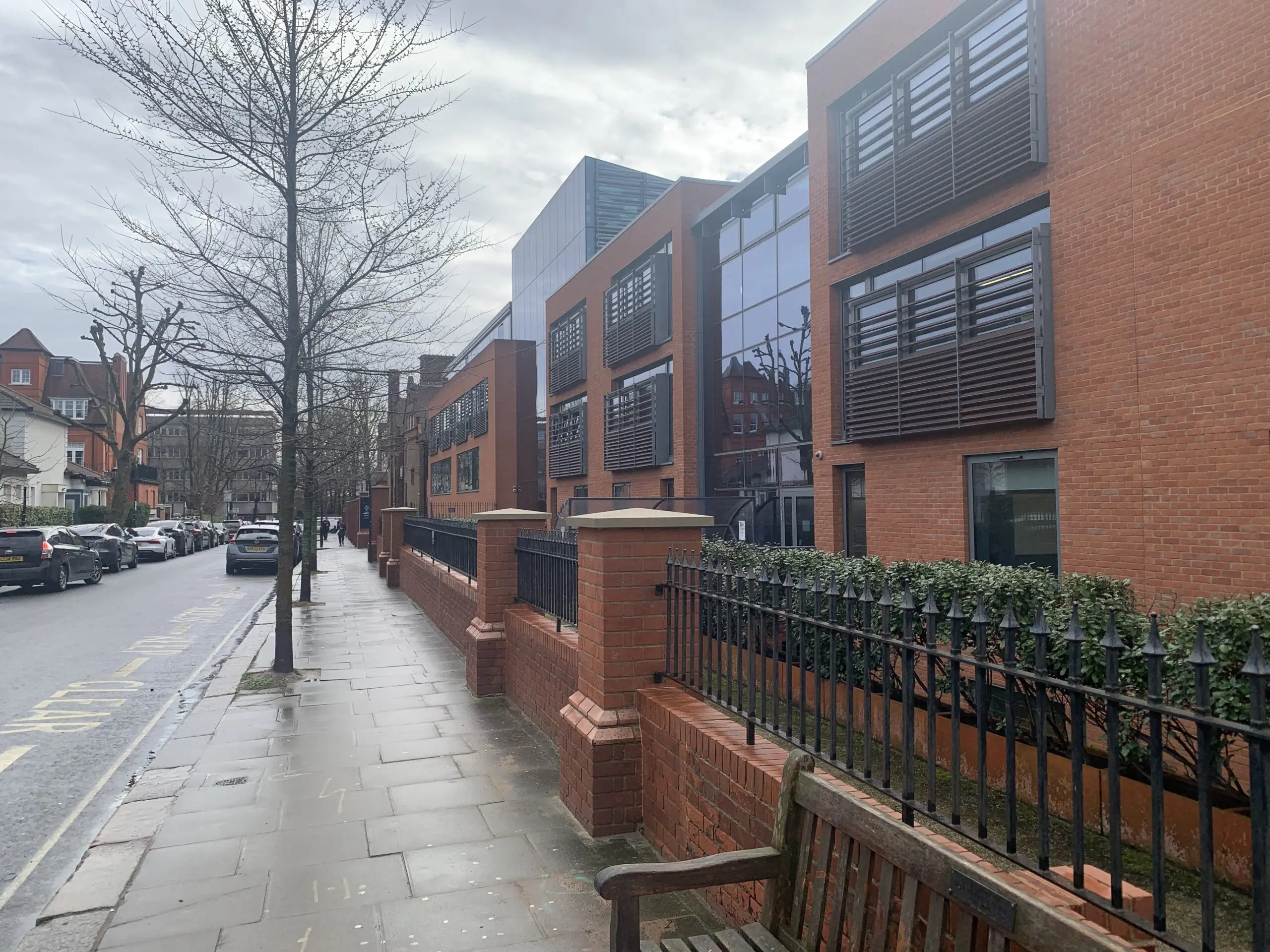
One hundred and fifty years ago, a girls’ school opened in a room in Winchester Road with just 27 pupils and a curtain dividing its three classes. This year, South Hampstead High School — which began life in 1876 as St John’s Wood High School for Girls — is celebrating a century and a half of educating girls in north London.
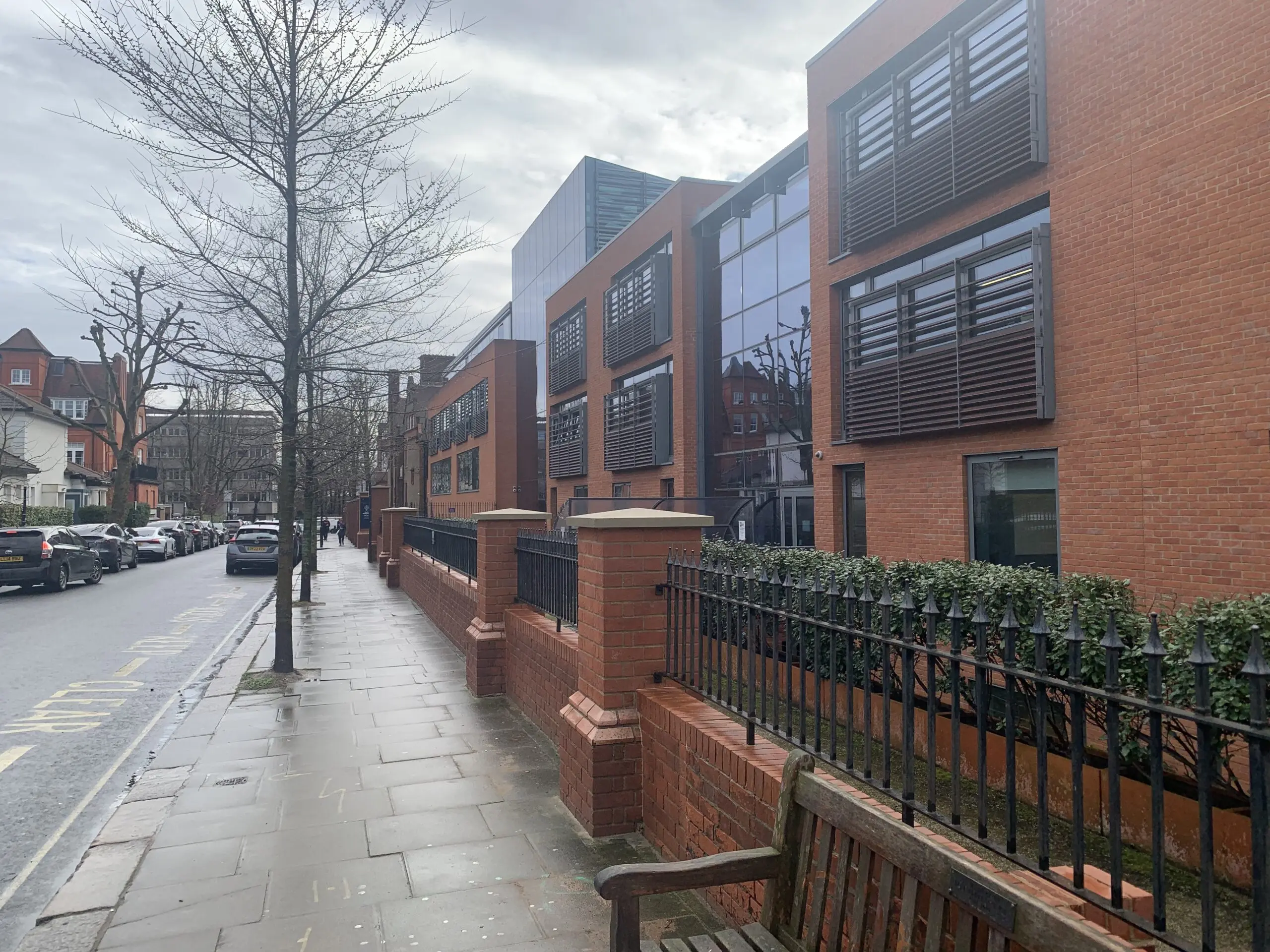
It was the ninth school founded by the Girls’ Public Day School Trust, the pioneering movement set up in 1872 by campaigners including Maria Grey and Emily Shirreff, who believed girls deserved the same quality of education as their brothers. Within six years the roll had grown from 27 to 300, and the school moved to larger premises at 3 Maresfield Gardens, where pupils studied history, geography, English grammar, mathematics, religious education, French, Latin and chemistry.
School days looked very different. Physical education meant classroom drill in navy pleated serge skirts and long black stockings — marching on the spot, turning, lunging and breathing exercises. Lessons finished at lunchtime, although some girls stayed on for extra music or drawing. Fees were five guineas a year, with five shillings more for stationery.
In 1887 the school took the name South Hampstead High School, and under headmistress Mary Benton it grew into an academic force, gaining science laboratories, music rooms, a playground and fives courts. Benton steered the school through the First World War years, when growing numbers of leavers went on to university — among them Dr Ellen Farrer, one of the first women to qualify as a doctor.
South Hampstead High School: 150 years at a glance
| Founded | 1876, as St John’s Wood High School for Girls |
| First headmistress | Miss Allen-Olney |
| Trust | Ninth school of the Girls’ Public Day School Trust, founded 1872 |
| Renamed | South Hampstead High School, 1887 |
| Home | Maresfield Gardens, Hampstead, north London |
| Current head | Anna Paul |
| Former pupils | Angela Lansbury, Glynis Johns, Helena Bonham Carter, Fay Weldon, Naomi Alderman, Olivia Williams, Baroness Julia Neuberger |
The staffroom doubled as a front line in the fight for women’s votes. Benton and most of her staff backed the suffragists’ campaign for the franchise, while one teacher took the militant path: a suffragette on the staff was sent to Holloway Prison for her activism.
Holloway and the fight for the vote
In the years before the First World War, Holloway Prison in north London held hundreds of women jailed for militant action in the campaign for female suffrage. Members of the Women’s Social and Political Union — the suffragettes — adopted tactics including window-smashing, arson and hunger strikes, for which many were force-fed. Their constitutionalist counterparts, the suffragists of the National Union of Women’s Suffrage Societies, pursued the vote through peaceful persuasion. A partial victory came with the Representation of the People Act 1918, which gave the vote to women over 30 who met property qualifications; women finally won the vote on equal terms with men in 1928.
Why 1876 mattered for girls’ education
When the school opened, a serious academic education for girls was still a radical idea. The 1864 Schools Enquiry Commission had exposed how little provision existed for girls over the age of ten, and universities were only just beginning to admit women to degrees. The Girls’ Public Day School Company — registered in 1872 with Princess Louise as its patron — set out to build affordable day schools offering girls the same rigorous curriculum as boys. South Hampstead was its ninth. The experiment worked: within a generation, its pupils were entering universities and the medical profession, and its teachers were marching for the vote.
By the time Miss Walker became headmistress in 1918, the girls were playing tennis, hockey and netball. Former pupils had served as nurses and medical officers during the war, while those still at school knitted socks for soldiers. The 1920s brought a new library, gymnasium and a separate sixth form — and the pupils’ Letts diaries record a “spiffing” and “ripping” time: cycling on Hampstead Heath, swimming in the ponds, trips to the cinema and haircuts at Selfridges.
The purchase of 1 Maresfield Gardens allowed the school to take children from the age of five, and by its 50th birthday the roll stood at 457. It welcomed refugees who had escaped Nazi Germany on the Kindertransport, and during the Blitz the school evacuated to Berkhamsted School for Girls — although some pupils and teachers travelled back to London every night. Stage and screen stars Angela Lansbury and Glynis Johns were pupils in the 1930s. The postwar Direct Grant scheme opened many free places to state-school children, an early expression of the inclusive spirit that London’s education leaders still champion today.
By the 75th anniversary, the uniform had become the familiar blue skirt and yellow blouse, with a junior school in Netherhall Gardens. Deportment sashes and good-posture awards gave way to the shorter skirts of the swinging sixties, when school trips ranged as far as Russia and Norway. Nobel laureate Professor Dorothy Hodgkin opened a new science block in 1971, and decades of new laboratories and sports facilities followed. In 2014, the Victorian buildings were replaced by a new senior school, opened by former pupil Helena Bonham Carter. Other alumnae include writers Fay Weldon and Naomi Alderman, actor Olivia Williams and Baroness Julia Neuberger.
Current head Anna Paul says a thread of female empowerment runs through the school’s history. “The school had a number of suffragettes on the teaching staff and some were imprisoned,” she said. “We want to recognise the school’s feminist past.” The houses are named after the founding headmistresses, she said, describing their courageous and radical spirit and their commitment to women’s education.
Ms Paul speaks of fostering “joyful scholarship” — a holistic education with “unashamedly high academic expectations” alongside broad opportunities beyond the classroom, celebrating every pupil “finding their niche and exploring what they are passionate about”. “It’s a very value led school,” she said, citing kindness, bravery, respectfulness and a sense of purpose. That academic ambition is part of a wider London story, with the capital’s schools continuing to set the academic pace — while a major debating and oracy programme keeps the founding mission alive: giving girls a voice. “I still talk about feminism,” she said, “about the progress that has been made and the progress that needs to be made.”