


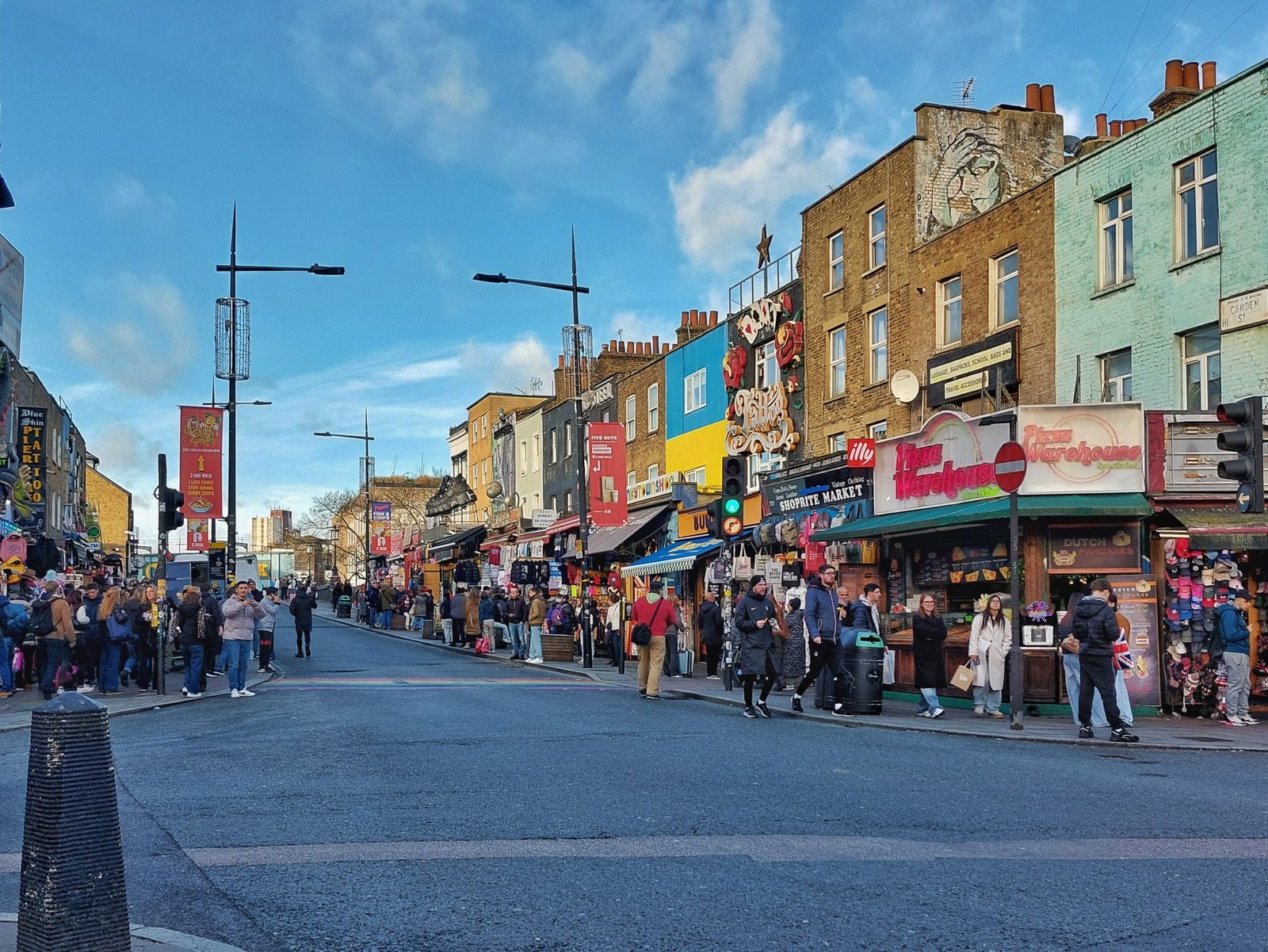
Suspected counterfeit goods with an estimated street value of around £1 million have been taken off sale in Camden after police and council officers swooped on traders along one of north London’s busiest shopping streets.
Officers from the Metropolitan Police joined Camden Council’s Trading Standards team on Saturday (3 October) for a joint day of action aimed at stamping out the sale of suspected fake products on Camden High Street.
During the operation, enforcement teams seized a large quantity of suspected counterfeit items. Police estimate the haul would have been worth roughly £1 million at retail prices had the goods been genuine.
The force said the raids form part of continuing efforts to clamp down on counterfeit trading in the area. Saturday is traditionally one of the busiest trading days on the high street, when shoppers pour into the district’s famous markets and independent shops in search of a bargain.
Sergeant Martyn Dawson said counterfeit goods can bankroll organised criminality, undercut law-abiding businesses and leave shoppers exposed to products that may be unsafe or fall short of required standards. He said the joint operation underlined the force’s ongoing commitment to tackling crime, protecting consumers and standing behind legitimate traders in Camden.
Police have not confirmed whether any arrests were made during Saturday’s operation, and no charges have been announced.
How counterfeit seizures work
In the UK, selling goods that carry a fake registered trade mark is a criminal offence under section 92 of the Trade Marks Act 1994. On conviction, offenders can face up to ten years in prison, an unlimited fine, or both.
Enforcement usually falls to Trading Standards teams employed by local councils. Officers can inspect shops and market stalls, carry out test purchases and seize goods they believe breach the law — often working side by side with police, as happened in Camden on Saturday.
Seized stock can be kept as evidence while an investigation continues, and courts can order counterfeit goods to be destroyed. Trading Standards can also seek forfeiture of the items and take traders to court.
The penalties are far from theoretical. A Southall man was jailed for three-and-a-half years over what was described as the UK’s biggest fake vinyl haul, showing how seriously the courts treat large-scale counterfeiting.
Why Camden is a target
Camden’s markets rank among the capital’s best-known visitor attractions, and busy tourist shopping districts are a natural hunting ground for counterfeiters, who depend on heavy footfall and the lure of a cut-price deal.
Across the UK, counterfeit clothing, handbags, watches and accessories are among the goods most frequently seized by enforcement officers — and market stalls remain one of the most common places they turn up.
The raids come during a busy autumn for the area. A boarded-up Camden pub is reopening this week with live music and a new look, while visitors continue to flock to the district’s attractions, including a new Mount Everest virtual-reality experience that has opened in Camden.
What shoppers should know
Trading Standards officers advise shoppers to treat luxury goods on sale at a fraction of their usual price with suspicion, to look closely at stitching, packaging and labelling, and to buy from reputable retailers wherever possible.
Anyone who believes they have been sold a counterfeit item can report it to the Citizens Advice consumer service, which passes intelligence on to Trading Standards, or to Crimestoppers, which takes information anonymously.
And the cost of the trade goes well beyond the till. As police pointed out this weekend, profits from fake goods can flow into organised crime, while every counterfeit sale takes money from legitimate businesses that pay their taxes and play by the rules.
What happens next
The seized goods will now be examined as part of the ongoing investigation. Police say joint operations with the council will continue in an effort to keep counterfeit products off Camden’s streets, and say they will keep working with local businesses to protect shoppers and traders.