The Camden primary schools where the race for a reception place is toughest
New analysis of official school admissions data has laid bare just how fierce the competition is for places at Camden’s most sought-after primaries, with some schools attracting more than twice as many first-choice applications as they have places to offer.
Figures from the Department for Education, which publishes primary and secondary applications and offers by preference each year, show a cluster of small, high-performing schools in the north and west of the borough drawing the biggest crowds of hopeful parents for 2026/27 entry.
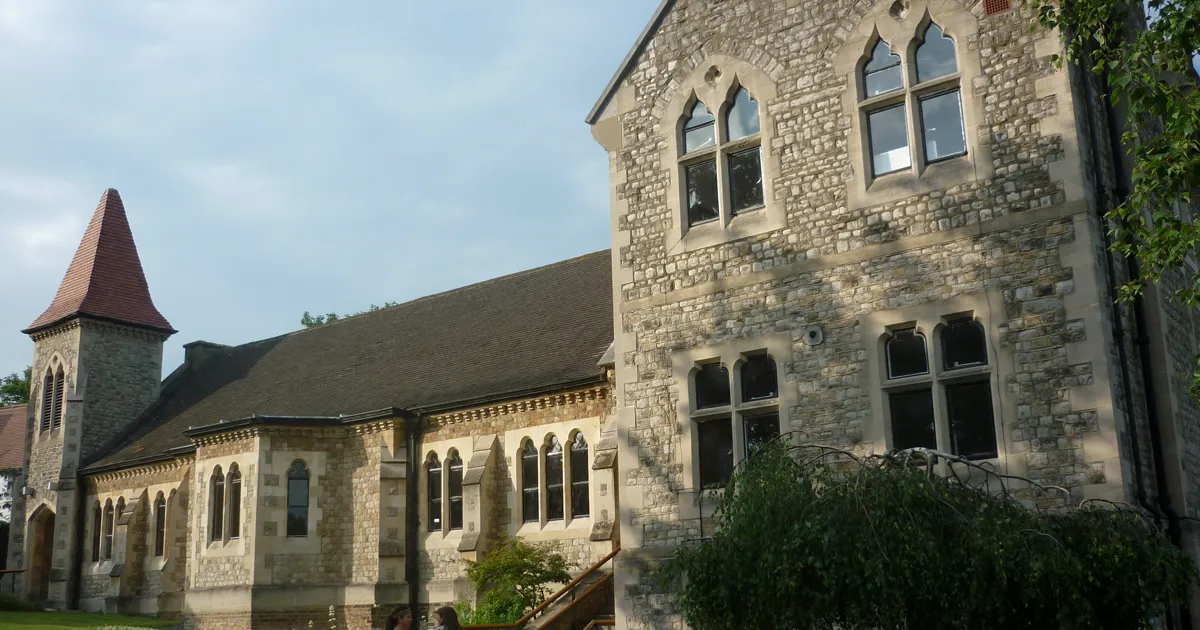
At the top of the pile is Hampstead Parochial Church of England Primary School in Holly Bush Vale, where 66 families named the school as their first choice. The school takes a single class of 30 each September, meaning well over half of those families were always going to be disappointed.
Close behind are Christ Church Primary in Hampstead, with 58 first preferences chasing just 28 places, and Emmanuel Church of England Primary in West Hampstead, which saw 58 first-choice applications for its 28 reception spots — more than double the number of seats available.
What the council’s own numbers show
Camden’s admissions guide for starting school paints a similar picture when every application is counted, not just first choices. For 2025 entry, Fitzjohn’s Primary in Hampstead received 272 applications for 30 places, the highest total in the borough. Hampstead Parochial drew 231, Eleanor Palmer in Kentish Town 224, and Gospel Oak 194 for its 60 places.
Eleanor Palmer’s breakdown is telling: 48 families put the Lupton Street school first for 30 places, and when offers went out on national offer day, 26 of those first-choice applicants secured a spot while four places went to families who had ranked it second.
Nationally, the Department for Education says 92.4 per cent of parents secured their first-choice primary school this year, with 83.6 per cent getting their first choice at secondary. In Camden’s hotspots, the odds look very different.
Why these schools pull the crowds
The names at the top of the list share a familiar recipe: small, single-form-entry schools with strong results and a distinct character. Hampstead Parochial, a Church of England voluntary-aided school rated Good by Ofsted in 2023, sits in the top one per cent of schools nationally for attainment, and parents talk warmly about its pastoral care, committed teachers and close-knit, village-like feel.
Christ Church leans on a similar appeal — a welcoming atmosphere, strong academic performance and deeply rooted Christian values, according to the school itself. Eleanor Palmer, a community school rated Outstanding by Ofsted in 2023, ranks in the top ten per cent for attainment and draws families from well beyond its immediate streets; more than 80 of its applications came from outside Camden.
Faith criteria play their part too. Voluntary-aided church schools can prioritise families on faith grounds, which shapes who gets through the door — and keeps demand high among parents who value that ethos.
The distance squeeze
For families without a sibling already at the school, it often comes down to the tape measure. Camden’s published cut-off distances show how tight the catchment has become: last year the furthest child offered a place at Hampstead Parochial lived just 0.195 miles away, at Emmanuel 0.197 miles, and at Eleanor Palmer 0.124 miles. Move a few streets further out and the odds collapse.
Camden decides community-school places in a strict order: children whose education, health and care plan names the school come first, then looked-after children, then siblings, then exceptional social or medical need, and finally distance from home. With so many siblings in the mix at popular schools, distance is often the deciding factor for everyone else.
The pressure is most acute in the north-west of the borough. Camden’s own school-place planning reports note that the north-west planning area has the lowest level of spare reception capacity anywhere in Camden, with first-preference applications rising year on year and now running above the capacity of existing provision.
Two Camdens
The scramble at the top sits alongside a very different story elsewhere in the borough. Falling birth rates and families moving out of inner London have left some schools with empty desks — Argyle, Rhyl, Brecknock and St Dominic’s carry the biggest surpluses, concentrated in some of Camden’s most deprived neighbourhoods. Carlton Primary closed its doors in July 2021 after years of falling rolls.
It is a pattern familiar across the capital: a handful of schools parents will move house to reach, and others a short bus ride away struggling to fill classes. For Camden’s planners, the challenge is managing both extremes at once.
What parents need to know
Applications for children starting reception in September 2027 are made through Camden’s admissions service, with the national deadline falling in mid-January. Parents can list their preferred schools in order, and the council’s “Starting school in Camden” guide sets out each school’s admission number, last year’s application totals and how far the final offer reached — essential reading before the form goes in.
The honest advice from admissions officers rarely changes: use all of your preferences, include at least one school where your child has a realistic chance, and check the distance data rather than the reputation. In the streets around Hampstead and West Hampstead, reputation alone will not open the gate.
For those already weighing up secondaries, the contest does not get easier — Camden’s secondary schools face their own tough race for 2027 places. And for a sense of what inspectors look for at the very top end, one Barnet school was recently judged exceptional in every area by Ofsted, while Redbridge pupils are getting safer school runs with new crossings and footpaths.