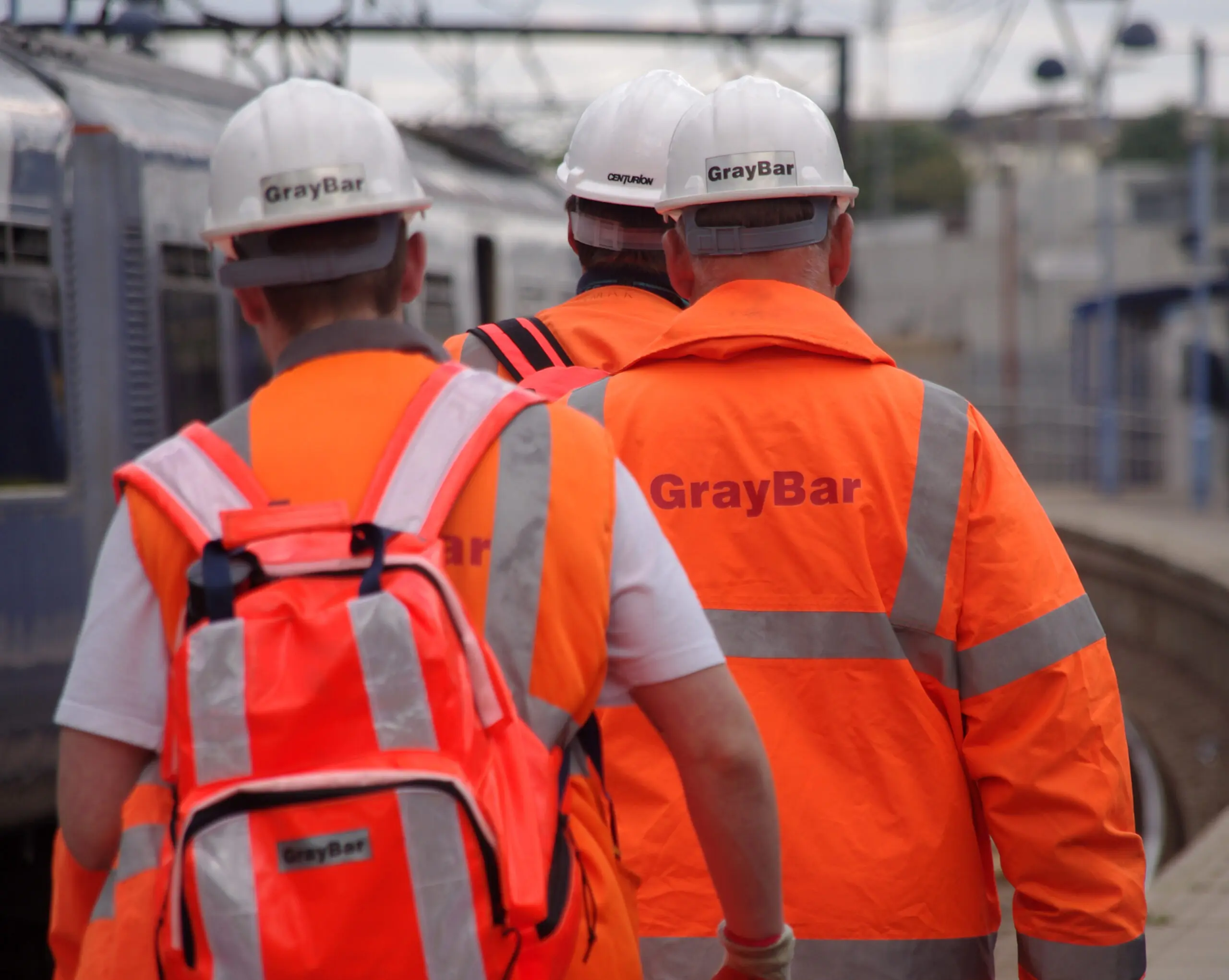
Stratford station is among the London locations where British Transport Police (BTP) is trialling live facial recognition, as the force looks for new ways to find people wanted in connection with serious crime on the rail network.
BTP says its pilot began on 11 February 2026 at selected key transport hubs in London and was expanded in August 2026 to selected London Underground stations, running until November 2026. Its deployment register lists Stratford operations in late February, on the external concourse and in the ticket hall.
How it works
According to BTP, deployments are intelligence-led, targeting places where data suggests high-harm offenders are likely to pass through. Cameras are placed temporarily on station concourses.
Before an operation, BTP says a watchlist is prepared of people wanted by police or the courts, or subject to court orders with conditions. Camera images are then compared against that list. If the system flags a possible match, an alert is created and an officer compares the image with the person in front of them before deciding whether to speak to them.
BTP says officers explain why someone has been stopped and offer a leaflet with contact details. It says people not on a watchlist cannot be identified by the system.
The safeguards
BTP says each deployment is published on its website beforehand, with prominent station signage and QR codes for feedback and information. People who prefer not to enter the recognition area can, it says, use another route.
On data, BTP says images and biometric data from people who do not trigger an alert are deleted automatically and immediately. Images linked to an alert are, it says, deleted after use or within 24 hours. CCTV footage used by the cameras is kept for 31 days.
The force says the work is intended to follow data protection, human rights and equality law, with internal governance and engagement with ethics and independent advisory groups. It also points to independent testing, commissioned by other forces, examining impacts by race, age and sex and settings to reduce false alerts.
Why Stratford
The trial follows wider concern about transport safety. The London Assembly Police and Crime Committee was told more than 4,500 incidents of violence against women and girls were reported on public transport in 2025 — over a dozen a day.
The committee was also told only 3 per cent of those reports led to a charge and in more than half no suspect was identified. TravelWatch research cited at the hearing suggested around 70 per cent of people avoid travelling at certain times through fear for their safety.
Committee member Unmesh Desai has backed the Stratford trial, arguing the cameras could help identify suspects while not replacing ordinary policing. He has said concerns should be taken seriously and the technology used carefully and openly, with proper safeguards. Civil-liberties groups more generally have raised questions about accuracy, bias and privacy.
How it will be judged
BTP says the pilot will assess how effective live facial recognition is on the railway, its impact on public safety and how the public responds. After it ends, the force says it will carry out a full assessment and use lessons learned to inform future plans.
No final evaluation had been published by BTP at the time of writing. Its register logs where deployments took place but is not a verdict on the trial. If the pilot is judged a success, the approach could be extended across more of the transport network.
BTP continues to appeal for public help in other investigations, including a CCTV appeal after an assault at Liverpool Street station. Transport enforcement also continues on the buses, where fines for antisocial behaviour remain in use.
Updated: 20 October 2026 at 5:31.