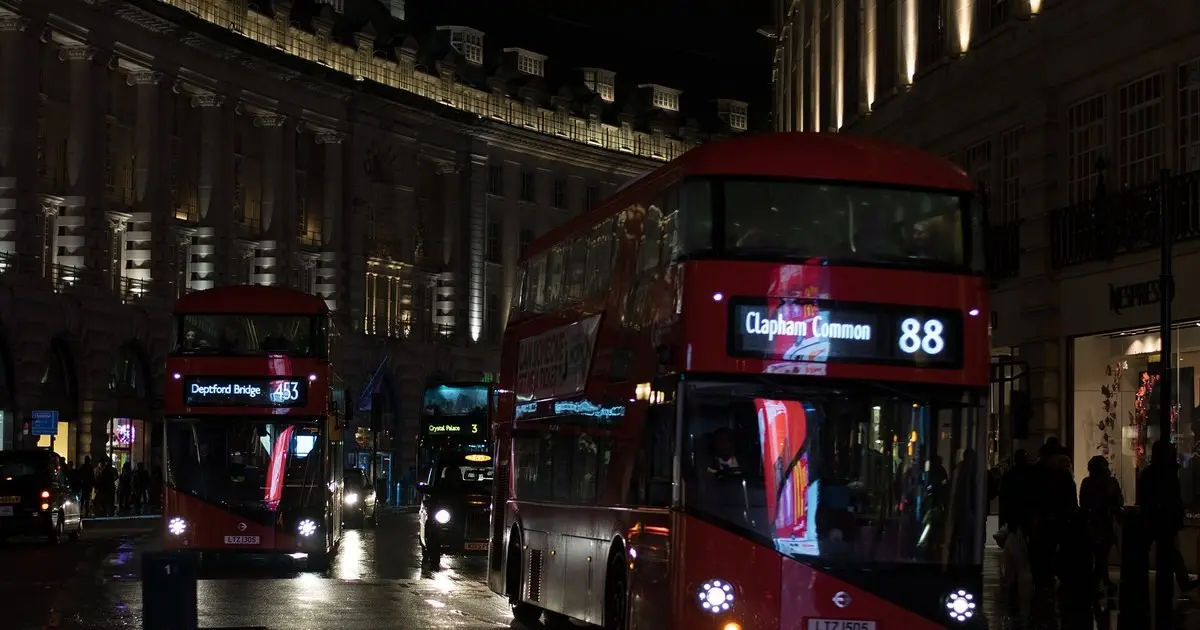
Bus passengers in England could face £100 fines for blasting music, vaping or littering under new government measures to crack down on antisocial behaviour on public transport.
The Department for Transport has issued fresh guidance under the Bus Services Act 2025, giving local authorities the power to set and enforce their own rules for bus journeys — including fixed penalty notices for nuisance behaviour.
Transport Secretary Heidi Alexander said: “It is so frustrating when the actions of an inconsiderate few spoil journeys for the rest of us, whether that is vaping, littering or blasting music out loud.”
“Even small changes in behaviour can make a massive difference to people’s experience on public transport.”
How enforcement will work
Under the new system, bus drivers will not be responsible for enforcement. Instead, authorised officers such as Transport Safety Officers and police will take the lead, following a three-step approach: engaging with the individual, explaining the rules and their impact, and taking enforcement action if they refuse to comply.
The legal powers to address nuisance behaviour on buses came into effect across England on 5 August 2026. A DfT spokesperson said: “Today’s guidance will help authorities put these new local rules into practice, with each byelaw needing sign-off from the Secretary of State before it can be enforced.”
“Share the carriage, not the noise”
On the rail network, the government has launched a national campaign urging passengers to “share the carriage, not the noise.” The campaign targets so-called “loudcasting” — playing music or videos out loud on trains — and aims to create a consistent message across all operators.
Passengers who refuse to comply with requests from authorised rail staff can be removed from the train at the next station or face fines of up to £1,000.
Prime Minister Andy Burnham said: “We’ve all been on the train when someone starts blasting music or videos from their phone. It gets on your nerves and can quickly spoil the journey.”
“So, we’re launching a nationwide campaign reminding passengers to use headphones on trains. On top of that, we’re giving local leaders new powers to tackle loud music, vaping and littering on buses.”
Backing from mayors and campaigners
In the West Midlands, the measures have been welcomed. Mayor Richard Parker said: “People travelling across our region deserve to feel comfortable, respected, and most importantly, safe.”
“While the vast majority of journeys happen without incident, anti-social behaviour on our transport network — whether it’s vaping, littering, loud music, videos or shouting — ruins the experience for everyone.”
The Campaign for Better Transport has also voiced support. Chief executive Ben Plowden said: “Antisocial behaviour, like noisy phone use, vaping and littering, are not just irritating: they can be a real deterrent to people using public transport, especially people with different accessibility requirements.”
“If these new powers are properly and visibly enforced, they should help everyone feel safe and comfortable on public transport and enjoy the ride.”
“We can all do our bit by showing consideration to our fellow passengers: keeping bags and feet off seats, looking up and offering our seats to people who need them, or vacating the wheelchair space straight away when required.”
What it means for London
London’s buses carry more than six million passengers on a typical weekday, and the capital’s transport network has long grappled with nuisance behaviour. The new powers give London’s transport authorities the ability to draw up local byelaws tailored to the city’s needs — though each one will need sign-off from the Transport Secretary before officers can start issuing fines.
Unite the union, which represents bus drivers, has previously raised concerns about staff facing abuse from passengers. The new framework makes clear that drivers themselves will not be expected to confront offenders — enforcement sits squarely with authorised officers and police.
The move follows growing public frustration with noisy journeys — Londoners have previously called for Singapore-style fines for loud music on buses. For more on the capital’s transport network, see our coverage of this week’s M25 overnight closures.