


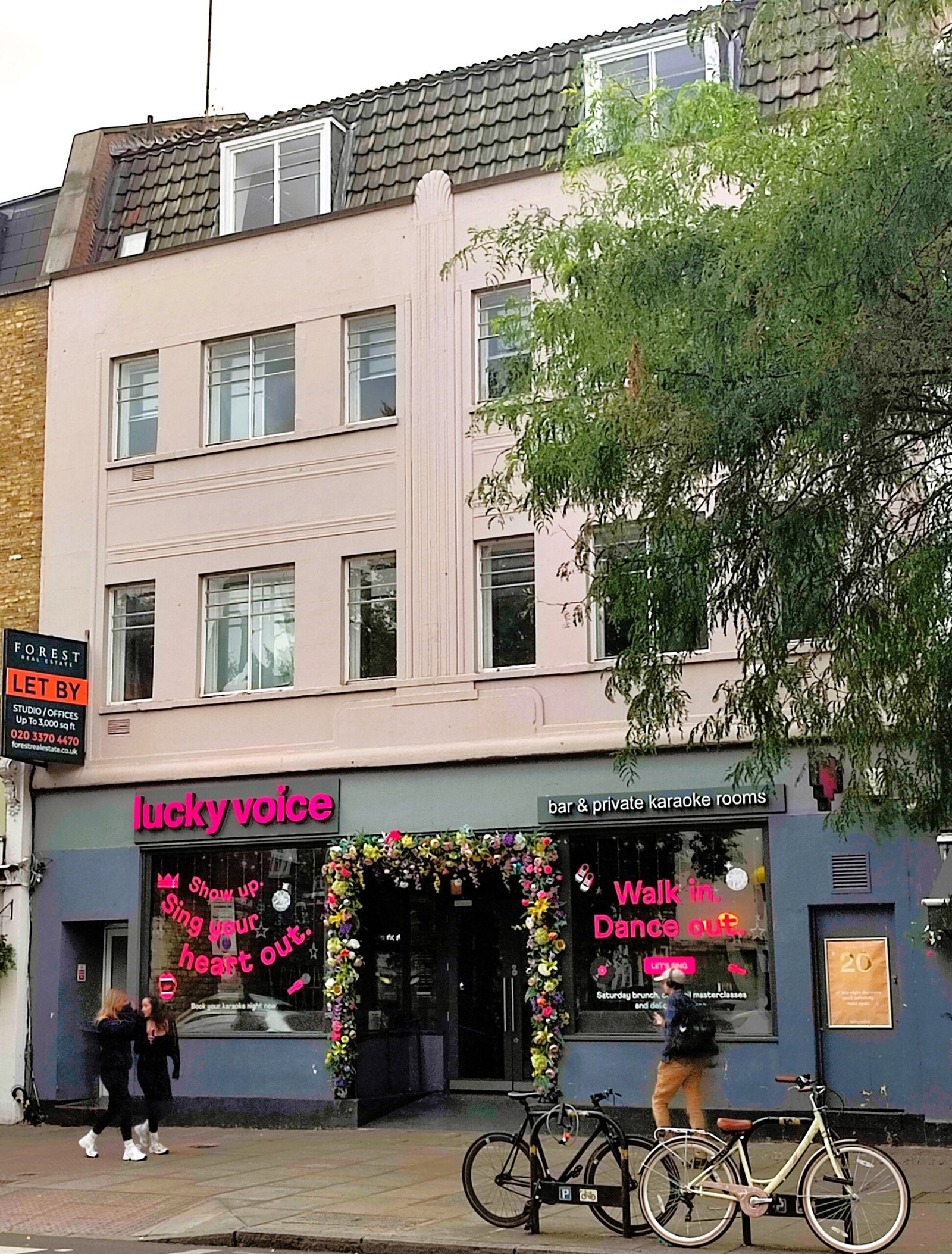
Two of London’s best-known karaoke bars have fallen silent after the company behind Lucky Voice collapsed into administration, shutting its Waterloo and Islington venues with immediate effect.
Administrators confirmed the Lucky Voice London closures on Tuesday, with the chain’s Brighton branch also closing its doors. The shutdowns bring the curtain down on two decades of singalongs at the two London sites, although three of the group’s other venues in the capital have been spared.
The Soho, Liverpool Street and Holborn branches will stay open after being bought by Moyagi Group, a Swedish karaoke bar operator, in a pre-pack rescue deal. The agreement also transfers the Lucky Voice brand, its intellectual property and its business-to-business operation, with 59 employees moving across to the new owner.
Steve Absolom, managing director at Interpath and joint administrator, said: “Lucky Voice has been one of the most recognisable names in the UK’s nightlife scene for two decades, and we are pleased to have secured a future for the brand and for three of its most popular venues.”
He warned that the wider night-time economy “continues to face significant headwinds”, adding: “Rising employment costs, elevated energy bills and a consumer who has become increasingly selective about discretionary spending have put real pressure on operators. Many across the sector have felt those pressures acutely, and Lucky Voice was sadly not immune.”
The three closures will lead to 53 redundancies. Mr Absolom said supporting staff at the Brighton, Waterloo and Islington sites with their redundancy claims was now the priority, alongside ensuring “a smooth transition of the continuing sites to Moyagi”.
Lucky Voice, founded in 2005, was placed into administration after what administrators described as a “deterioration” in trading over the past year. They said the company had come under mounting financial pressure and had ultimately been unable to secure a solvent sale of the business.
The collapse makes Lucky Voice the latest casualty of a punishing period for the capital’s night-time economy. Venue operators across London have been grappling with soaring energy costs, higher wage bills and customers tightening their belts — pressures that have already claimed a string of well-known nightlife spots. In Romford, the former Atik nightclub is being demolished to make way for 285 shared-living flats after the council approved the scheme.
Hospitality leaders have repeatedly warned that rising costs are pushing venues to the brink, with debates at City Hall over measures such as the mayor’s proposed overnight visitor levy on hotels adding to concerns about the cumulative burden on the sector.
It is not all one-way traffic, however. In Biggin Hill, restoration plans have been lodged that could see the historic Old Jail pub pouring pints once again — a reminder that venues can be revived when investment follows.
Karaoke has been part of London’s nightlife fabric for decades. The singalong format travelled from Japan in the 1980s and 1990s, with private-room “karaoke boxes” taking root in Soho and spreading across the capital. Lucky Voice helped bring the concept to a mainstream British audience after its launch in 2005, pairing private rooms with a bar and a songbook running to thousands of tracks — and turning birthdays, office nights out and celebrations into its bread and butter.
The chain’s neon-fronted venues became a familiar sight on London high streets, and the closure of the Waterloo and Islington branches will be keenly felt by the regulars who made them their stage.
For now, the microphones stay on in Soho, Liverpool Street and Holborn under new Swedish ownership. But for Waterloo and Islington, the last song has been sung.