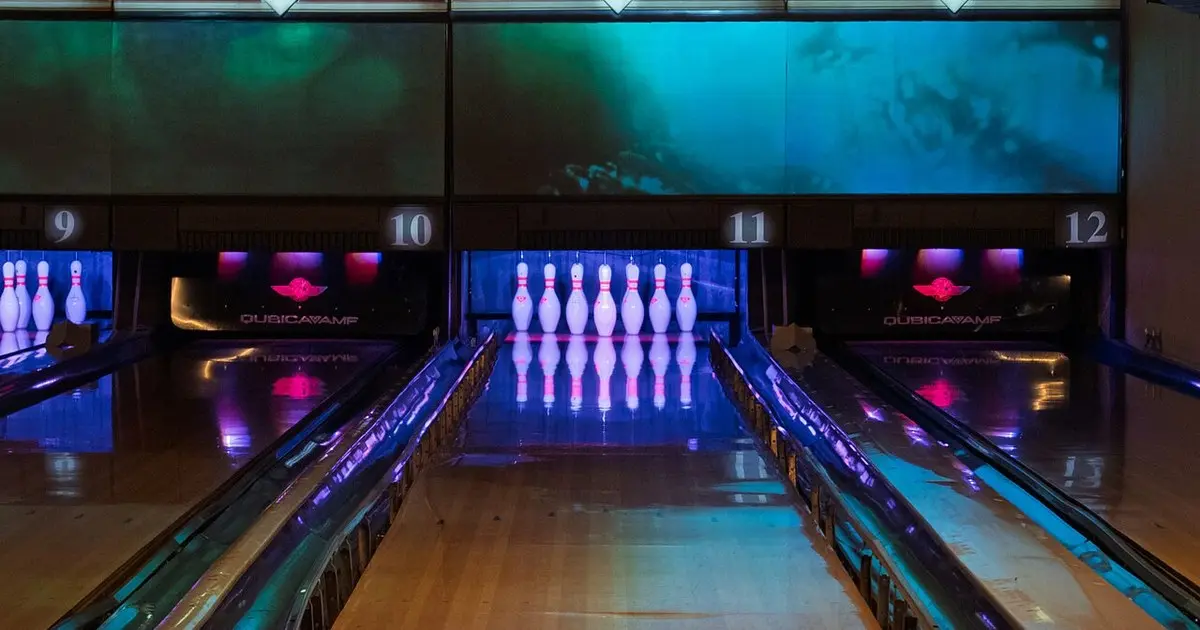
Rowans, the bowling alley on Stroud Green Road where the Beatles once played, has been saved from the bulldozers.
Haringey Council has dropped plans to earmark the Finsbury Park venue as a site for up to 190 flats, after a petition signed by 6,500 people urged the borough to leave the much-loved venue alone.
The tenpin bowling alley, which has stood near Finsbury Park station since 1988, had been pencilled in as a potential housing site under proposals in the council’s Local Plan. The move prompted a campaign on the 38 Degrees platform, with supporters asked to “show Haringey Council that Londoners want Rowans to stay”.
Now the Green Party leadership running the council has removed the venue from the plan, saying it listened to what residents had to say.
Cllr Tammy Hymas, the council’s cabinet member for housing, said: “Residents have made it clear that Rowans is much more than a bowling alley. It is a much-loved community asset, a place where people come together and an important part of what makes Finsbury Park special.”
“We believe development should work with communities, not be done to them. By removing this allocation, we are showing that local voices can make a real difference to the decisions that shape our borough.”
A venue with 150 years of history
Rowans dates back to 1872, when the building first opened as a tram shed. It was converted into a cinema in the 1920s, then became a dance hall and music venue in the 1960s — the decade the Beatles played there, in 1963.
After its years as a dance hall it spent time as a bingo hall and a snooker club, before reopening as a bowling alley in 1988. Since then it has hosted countless birthdays, get-togethers and celebrations, and built up a cult following among north Londoners for its retro styling.
Alongside the lanes there are arcade games and karaoke, and a dance floor that turns the place into a multi-generational disco. Its neon sign has become a familiar welcome for travellers arriving at Finsbury Park station.
The petition described Rowans as “a beloved north London institution”, warning that the venue could be bulldozed if the housing plan went ahead.
“Rowans has been part of London’s nightlife since 1988. Before that, it was a dancehall where even The Beatles played!” the petition said. “Losing it would be losing an incredibly special piece of our city’s history.”
One signatory put it more simply: “It’s places like Rowans that keep the soul of our city alive.”
What happens to the Local Plan now
The council does not own the Rowans site, but it had designated the land as potential housing in its draft Local Plan — the document that sets out how the borough will grow over the coming years.
The decision to take Rowans out of the plan was made at a Cabinet meeting on November 10, alongside other changes including safeguarding Pinkham Way as open space for nature.
The plan now goes before the full council for approval on November 23, after which it will go out for final consultation. Until that process is complete, the allocation is not formally removed — but the council’s leadership has made its position clear.
Cllr Hymas said: “The Local Plan is about the future we want to build together for Haringey, that responds to the housing affordability crisis, helps us tackle climate change and supports a stronger local economy, while protecting the places residents value most.”
The episode shows how contested housing allocations can become when they touch places people feel attached to. Haringey is far from the only borough where residents have pushed back against development on land they value — in Bromley, an MP has vowed to fight a 2,000-home plan for Hayes Farm green belt, and across the capital house prices have been falling as sellers cut asking prices.
For now, though, the lanes at Rowans will keep rolling. The venue that started life as a tram shed more than 150 years ago — and survived as a cinema, a dance hall, a bingo hall and a snooker club before that — has outlasted one more threat to its future.