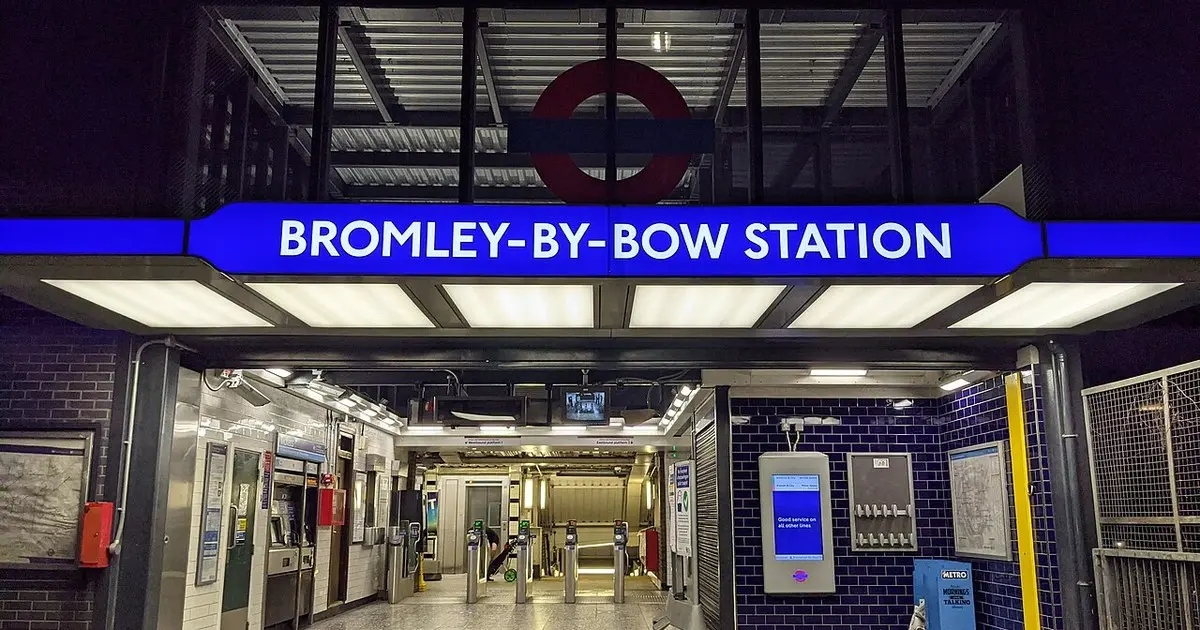
A printing business that has been operating in Bromley-by-Bow since 1967 is investing in new high-speed digital machinery as it begins selling to customers overseas.
Augustus Martin, which employs around 190 people from its east London base, is bringing in digital printing and finishing equipment to speed up production, cut costs and win new contracts. The firm provides printing, display, warehousing, logistics and installation services to major retailers and brands, and is forecasting turnover of approximately £34 million this year.
The expansion is being backed by Lloyds, which has provided a £6 million invoice discounting facility and a £3 million asset finance limit — a £9 million package in total. The invoice discounting will let the business draw on money tied up in unpaid customer invoices, while the asset finance will help pay for the new equipment.
For a firm that has spent nearly six decades in print, the move marks a clear shift in how it works. The new machinery is expected to use less electricity than the older systems it replaces and to cut reliance on the chemicals and printing plates used in traditional lithographic printing. It will also print directly onto materials, removing the need for a separate mounting stage and reducing the amount of material consumed in production.
Shaun Hunter, commercial finance director at Augustus Martin, said: “Investing in new digital printing and finishing technology is an important step for the business.”
“It will allow us to replace older processes with some of the most modern machinery available, helping us work more efficiently and compete for new opportunities.”
The company has recently begun exporting to customers across Europe, the Middle East and America, and the investment is aimed at strengthening that position while it keeps serving its existing UK customers. The hope is that faster, cheaper production will help it compete for larger contracts and support further development overseas.
Augustus Martin has banked with Lloyds since it was established nearly 60 years ago, and Mr Hunter said the bank had supported the company’s ambitions as it prepared for further growth.
Matthew Somaru, relationship manager at Lloyds, said: “Augustus Martin has a clear plan for the future, with investment in new technology at the heart of how it will improve efficiency and compete for new work.”
“The move to modern digital printing equipment will reduce electricity use and the amount of material needed during production, while the wider funding package gives the business the support it needs to continue developing.”
The environmental case is a big part of the pitch. The firm has already switched to renewable electricity tariffs, installed LED lighting and brought in other energy-efficient technology. It is also investing in electric and hybrid vehicles, and produces ECO Six100, a printing material made entirely from recycled materials that can itself be recycled again.
That matters because the printing trade has long been an energy- and chemical-heavy one. Lithographic printing, the method the new kit will partly replace, depends on metal plates and chemical processing for every job. Digital printing removes much of that — no plates to make, fewer chemicals to handle, and less waste when a run is short or a design changes at the last minute. For a business that turns around display work for retailers, where deadlines are tight and orders can change quickly, that flexibility is as valuable as the cost saving.
The move comes at a mixed time for London businesses. The former WHSmith chain TGJones has been put up for sale after closing London stores, while London Overground operator FirstGroup has seen its rail income nearly double. Augustus Martin’s bet is that modern machinery and overseas orders can keep a 58-year-old east London manufacturer growing, even as other household names retrench.
The investment is also a vote of confidence in the firm’s Bromley-by-Bow base. Rather than moving production elsewhere, the company is upgrading the site it has occupied for decades, keeping its workforce in Tower Hamlets while it looks for work further afield. With exports now under way and the new equipment due to bed in, the test will be whether the promised efficiency gains turn into the larger contracts the firm is chasing.