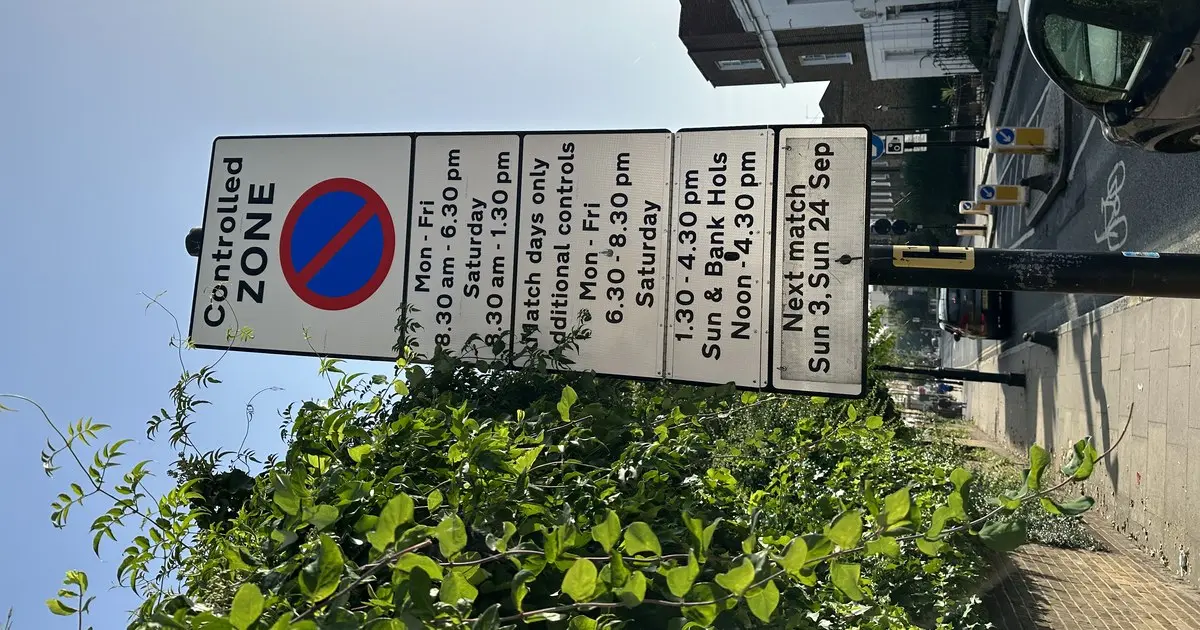
Drivers of the most polluting diesel cars in Islington are paying £1,114 a year just to park outside their own homes — nearly 28 times what the same vehicle would cost in the cheapest London borough.
The stark postcode lottery in residents’ parking permits was laid bare in analysis by the comparison site Parking Permit Costs, which examined what motorists pay across the capital under emissions-based charging schemes.
Islington is one of 28 London boroughs that link permit prices to how much carbon dioxide a car emits. On top of its standard rates, the borough applies a £259-a-year diesel surcharge. The cheapest permit in Islington — for a fully electric car — costs £115.95 a year. But for a vehicle emitting 255 grams of CO2 per kilometre, the price climbs to £854.90, and the diesel surcharge takes the total to £1,113.90.
At the other end of the scale, four of London’s 32 boroughs still charge a flat fee no matter what car you drive. Redbridge is the cheapest of the lot at £39.50 a year, ahead of Havering at £45 and Hillingdon at £92.40. The City of London does not issue residents’ permits at all.
That means a diesel driver in Islington pays 28 times more than a driver with the identical car in Redbridge — one of the widest gaps in the country for what is, on paper, the same product.
Hackney close behind on charges
Hackney, Islington’s neighbour to the east, had the second-highest fees for petrol vehicles and the steepest diesel surcharge of any borough. A driver of a diesel Mercedes-Benz G-Class emitting 255g/km would pay £1,070 for an annual permit in Hackney. A Tesla Model Y driver, with no tailpipe emissions, would pay just £54.
The borough has form when it comes to charging motorists for pollution — parking charges have already proved a flashpoint elsewhere in the capital, with community groups warning that rising fees drive people away.
How the schemes spread
Emissions-based parking charges were introduced in the early 2010s and have spread steadily since. Analysis last year found 49 councils across Britain now use emissions-based charges, and 20 of London’s 32 boroughs add a diesel surcharge on top.
Islington’s charges are rooted in its long-standing effort to cut traffic pollution. The borough says variable charging pushes drivers towards cleaner cars — and the numbers show it works, at least on paper: an electric car owner pays a tenth of what the dirtiest diesel driver pays.
Revenue raiser or clean-air necessity?
Motoring groups have condemned the highest charges as little more than a tax grab. Driving organisations said the steepest rates were simply revenue raisers for hard-up councils, arguing that families who cannot afford to switch to newer, cleaner cars are the ones hit hardest.
Supporters of the schemes countered that the charges were essential for improving London’s toxic air. With road transport one of the biggest sources of nitrogen dioxide in the capital, they argue that pricing pollution out of residential streets is exactly what the policy is designed to do — the same clean-air logic that sits behind the Ultra Low Emission Zone, which has proved just as divisive.
What drivers actually pay
The analysis highlights how dramatically the cost of keeping a car in London now depends on where you live and what you drive:
- Islington: £115.95 (electric) to £1,113.90 (high-emission diesel)
- Hackney: £54 (electric) to £1,070 (high-emission diesel)
- Redbridge: £39.50 flat fee for all vehicles
- Havering: £45 flat fee
- Hillingdon: £92.40 flat fee
For Islington residents driving older diesels, the annual permit now costs more than many pay for a year’s car insurance — before a single mile is driven.
The borough’s charges are set locally, and councils insist the money goes back into transport and street improvements. But with the cost of living still biting, the 28-fold gap between neighbouring boroughs is likely to keep the debate over who pays for cleaner air running — nowhere more so than in Islington itself.