Millions of Londoners are braced for inflation-busting council tax increases next April, with average Band D bills set to break through £2,000 a year in almost every borough of the capital for the first time.
The looming milestone would leave only Tower Hamlets – and only just – beneath the £2,000 mark, once City Hall’s share of the bill is added to the borough charge.
It follows a bruising year for town hall finances. A record nine London boroughs were handed hundreds of millions of pounds in emergency Government cash over the past 12 months to stay afloat, and London Councils, the body representing the capital’s 33 local authorities, warns they face a collective £5.2 billion funding shortfall by 2030.
Every remaining town hall is expected to raise council tax by at least 5% next April. The average London household saw its bill rise by £87 this year – but next year’s increases are expected to be significantly larger, in some cases exceeding £1,000, with proposed rises ranging from 5% to a staggering 150%.
Why bills keep rising
London council tax bills are split in two: one payment funds the borough, while the other – the mayor’s precept – goes to City Hall to pay for the Metropolitan Police and the London Fire Brigade.
Sadiq Khan will confirm early next year how much he intends to add to his share, which currently stands at £510.51. This year’s £20.13 increase (4.1%) was largely spent on tackling crime, including a new crackdown on mobile phone theft.
But the relentless upward pressure on the borough share has two main drivers: soaring demand for adult and children’s social care, and the ballooning cost of temporary accommodation for homeless families. Councils say the combination is pushing many of them to the brink of bankruptcy.
What the Fair Funding Review means
The Government’s Fair Funding Review – a redistribution of how Whitehall grant money is shared between councils – has redrawn the map, and the biggest shocks are landing on boroughs that have historically kept tax low.
Hammersmith and Fulham, Wandsworth, Westminster and Kensington and Chelsea, along with the City of London, have been given special powers to raise council tax far beyond the usual 5% cap after their Government funding was slashed. Ministers argue their bills have been “historically very low” and should be brought more into line with national averages.
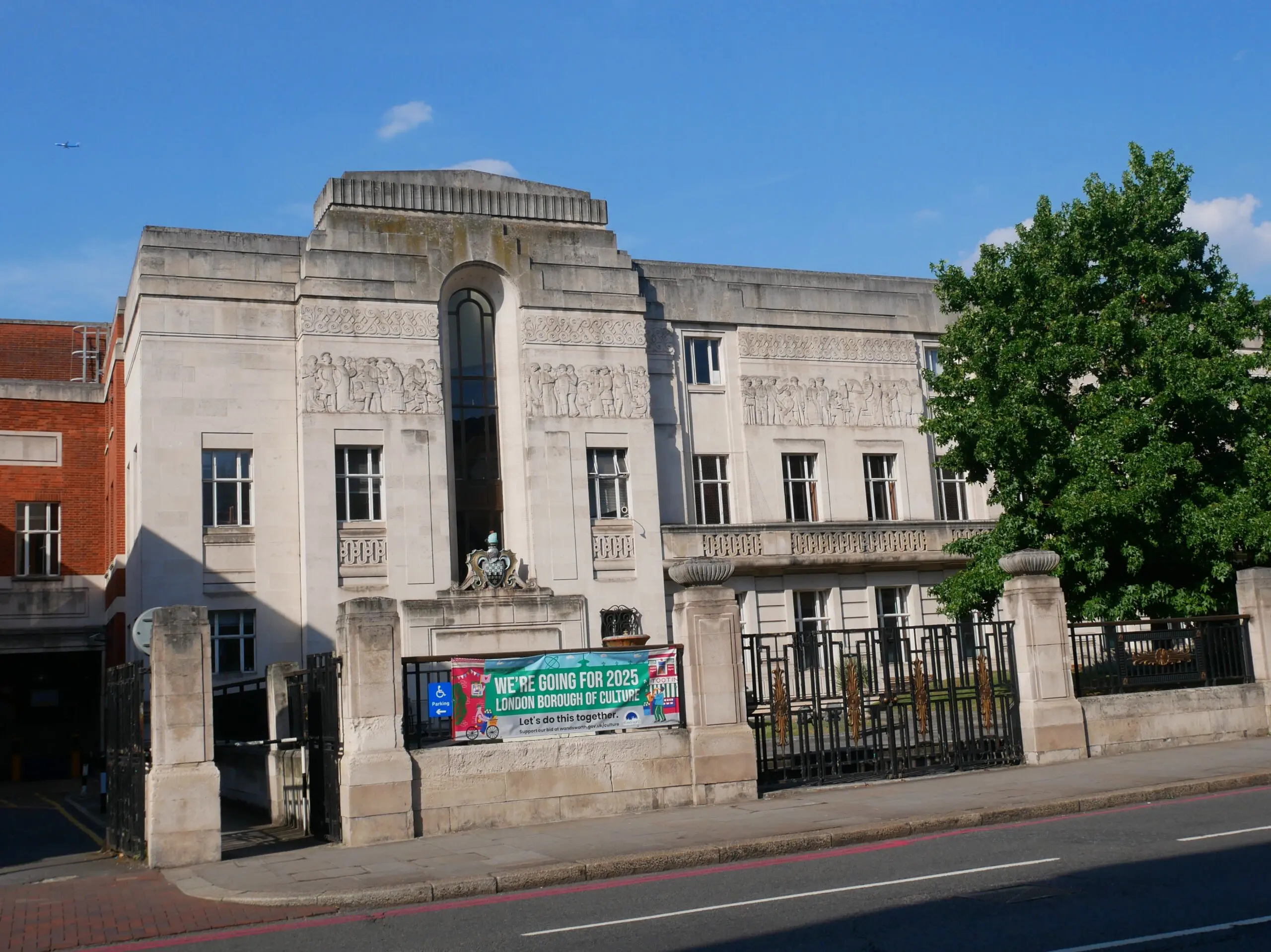
Wandsworth has admitted it will probably impose a jaw-dropping 94% rise – an extra £958 on the average Band D bill – taking the borough from the lowest council tax in the country to around average levels. The move has already triggered calls for a referendum from Labour opponents.
Westminster and Kensington and Chelsea have signalled similarly dramatic increases, and the three boroughs have joined forces to explore a legal challenge to the funding cuts. Westminster has warned its bills could rise by as much as 200% without deep cuts to services.
Labour-run Hammersmith and Fulham says bills would need to jump by 150% to make up its funding shortfall – the steepest increase proposed anywhere in the capital.
Other boroughs seek permission to break the cap
Town halls are normally forced to hold a referendum before imposing rises above 5%, but struggling councils can ask ministers in the Ministry of Housing, Communities and Local Government, led by Angela Rayner, to approve bigger hikes if they can demonstrate there is no other way to balance the books.
Several other boroughs are understood to be in those talks. Barnet is negotiating to exceed the cap as it battles a £200 million budget black hole – balancing its books would require a 32% rise, worth around £500 for a typical Band D home.
Bromley, which stands to lose £30.5 million in real terms by 2028/29, says it is facing “far the biggest financial challenge” it has ever seen and has already held high-level discussions with ministers. Green-led Lambeth has also met the Government, while Southwark has warned residents of “tough” decisions combining service cuts with rising bills.
There is precedent for Whitehall-approved exceptions: Croydon was signed off for a controversial 15% rise in 2023 after declaring effective bankruptcy for a third time, while Newham increased bills by 9% last year. Croydon is now proposing cuts to its £39 million council tax support scheme.
How to check your borough’s plans
Councils are expected to confirm exact increases by the end of the year, with final budget votes taking place in February and March. Residents can check their borough’s website for budget consultations this autumn – most councils publish draft budget papers and run public surveys before setting the rate.
Anyone worried about affording their bill should also check whether they qualify for council tax reduction schemes, which support hundreds of thousands of low-income Londoners across the capital.