Greenwich HMO rules are being tightened to stop streets becoming saturated with shared housing, after the council signed off tough new planning guidance for houses in multiple occupation.
The guidance note, approved by cabinet member for planning Tom Creswell, will bar new HMOs in buildings smaller than 130 sqm and in streets where three or more of the nearest ten properties are already houses in multiple occupation.
The move follows figures showing that 44 per cent of HMO approvals over the past five years have landed in just two wards — Plumstead & Glyndon and Plumstead Common — raising concerns about the concentration of shared housing in one corner of the borough.
Under the new guidance, landlords seeking to convert properties will also need to show good public-transport accessibility, pushing new shared housing towards well-connected areas rather than quieter residential streets.
Why the council is acting
Houses in multiple occupation — properties rented by at least three people who are not from one household — have multiplied across parts of south-east London as rising rents push more people into shared living. While they provide a vital source of relatively affordable accommodation, councils say over-concentration can strain parking, waste collection and community cohesion.
Greenwich’s new rules effectively set a density ceiling: once three of the ten nearest properties are HMOs, no more will be permitted in that immediate area. The 130 sqm minimum is aimed at preventing cramped conversions of small terraced houses and ensuring shared homes meet decent space standards.
The threshold is significant. A typical three-bedroom Victorian terrace measures around 80 to 100 sqm, meaning most standard family homes in the borough would be automatically excluded from HMO conversion. Only larger properties — subdivided villas or purpose-built blocks — would clear the bar.
Plumstead in the spotlight
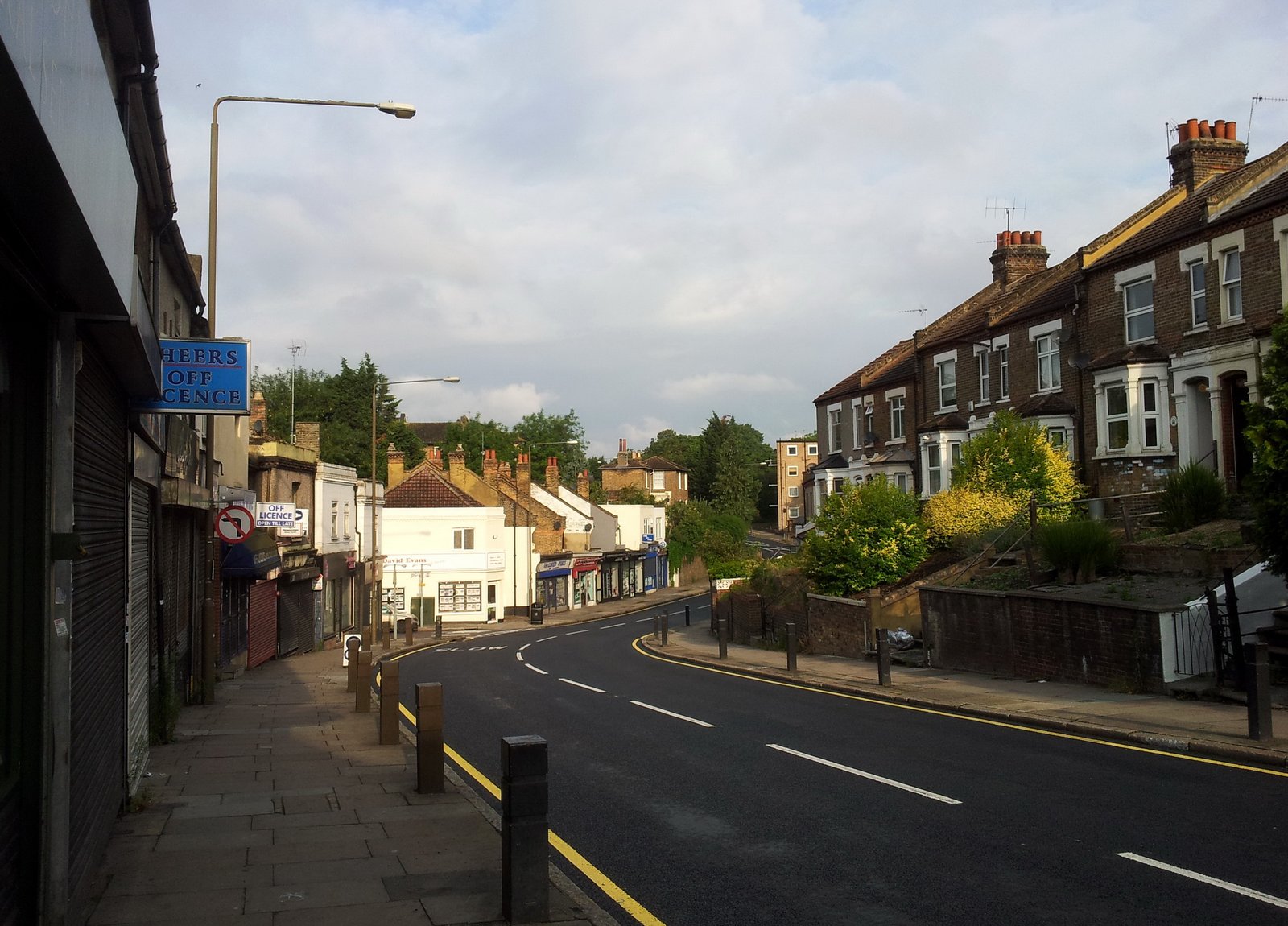
Plumstead’s Victorian terraces have made it fertile ground for HMO conversions. Relatively affordable house prices, combined with the Elizabeth line at nearby Abbey Wood, have drawn investors seeking strong rental yields from multi-let properties. The 44 per cent figure suggests that dynamic has been concentrated in a small corner of the borough.
“Good public-transport accessibility” is expected to be judged against TfL’s PTAL scores, which rate locations from zero to six based on proximity to stations and bus routes. In practice, that is likely to steer new HMOs towards town centres and station corridors rather than residential back streets.
Race against the clock
The guidance lands just two weeks before national law changes come into force that will allow council officers to decide HMO planning applications internally, rather than putting them before elected councillors. The new local rules will give officers a clear framework for those decisions — and give residents clarity on what will and will not be approved.
Planning consultants say the timing is significant: applications submitted before the national changes take effect could still be decided under the old system, potentially triggering a rush of submissions from landlords hoping to beat the stricter regime.
Landlords push back
Landlord groups have criticised the concentration rule as arbitrary, arguing that well-managed HMOs cause no more disruption than other rented housing. They warn that restricting supply will push up room rents for the young professionals and key workers who rely on shared housing.
Tenant organisations, by contrast, have welcomed the move, saying it will drive up standards and prevent the worst excesses of overcrowded conversions — cases where family homes have been carved into six or seven bedrooms sharing a single kitchen.
Wider housing pressure
The HMO crackdown comes as Greenwich grapples with broader housing pressures. The council’s own housebuilding ambitions have suffered setbacks — the collapse of contractor Helix Construct halted six council housing projects — while large private schemes such as the 800-home plan at Deptford Bridge continue to reshape the borough.
Against that backdrop, HMOs have filled a gap for renters priced out of conventional tenancies — but the council is now signalling that their growth must be managed, not left to the market.
Part of a wider trend
Greenwich is not alone. Boroughs across London have tightened HMO controls in recent years, several using Article 4 directions to remove permitted development rights for small HMOs so landlords must seek full planning permission. Greenwich’s guidance goes further by setting explicit numerical thresholds for size and concentration.
The guidance note takes effect immediately as a material consideration in planning decisions. Existing HMOs are unaffected, but anyone seeking to create a new one must satisfy the size, concentration and transport tests — with enforcement teams watching for unauthorised conversions.
Source: South London News