A wealthy businessman accused of orchestrating a plot to plant fake explosives at Gray’s Inn in a bid to “humiliate” a barrister has begun giving evidence at the Old Bailey.
Jonathan Nuttall, 50, of Romsey in Hampshire, is alleged to have targeted barrister Andrew Sutcliffe KC after the lawyer was instructed by the National Crime Agency to conduct legal proceedings against him.
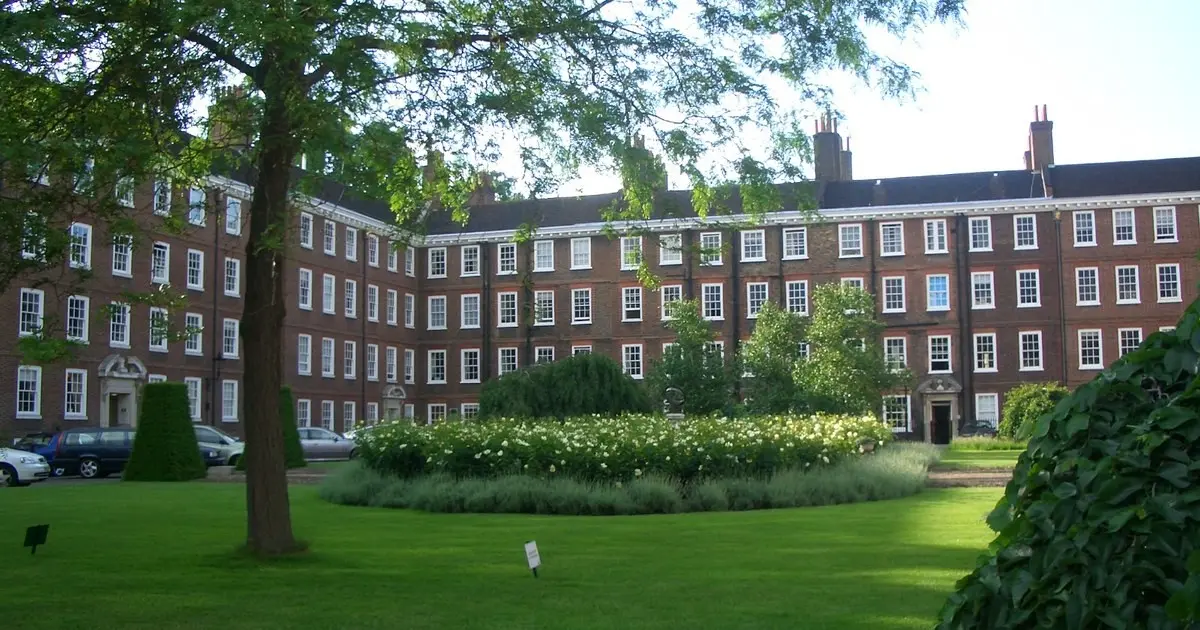
Two devices designed to resemble explosives were placed at Gray’s Inn — one beside a bench and the second outside 3 Verulam Buildings, where Mr Sutcliffe works — on 14 September 2021. The incident led to building evacuations and road closures in the historic legal quarter.
“Deep-seated grudge”
The prosecution has told the court that a £1 million recovery order brought by the NCA against Nuttall’s wife in 2019 led to a “deep-seated grudge” against Mr Sutcliffe, who was instructed alongside fellow barrister Anne Jeavons to conduct the proceedings.
Giving evidence on Monday, Nuttall was asked about the NCA investigation into him. He told the court: “I knew the allegations were not true, I could not fathom what I had done wrong.”
“I was fairly prepared for a trial. I enquired as to the position of costs. At that point I was staggered they had spent £1.6m on solicitors’ fees which, were we for any reason to lose, we would have to pay.”
Notes naming the barristers
The court has previously heard that notes addressed to or naming the barristers were left in places connected to them. Anne Jeavons told the court her “immediate reaction was one of fear” after seeing notes containing details of her family.
One note included a photo of Mr Sutcliffe alongside then-prime minister Rishi Sunak. Ms Jeavons said she had not been aware of the notes until police investigating the Gray’s Inn incident asked her about them.
An expert who examined the two devices told the court she considered one of them to be viable. Chartered chemist Julia Mills said one device “could have an appearance to someone that they look like an IED” but did not form a viable explosive device, while the second — which had a vibrating component — was considered “still viable”.
Five deny involvement
Nuttall denies all involvement, along with four co-defendants: Joshua Broddle, 20, and Charlie Broddle, 18, both of Hounslow in London; Michael Sode, 58, of Lewisham in London — described as Nuttall’s driver; and George Gray, 25, of Wembley in London.
Michael Broddle, 46, of Hounslow, has accepted that he placed the devices at Gray’s Inn.
Nuttall, Sode and the two younger Broddles are charged with conspiracy to place an article with the intention of inducing in another a belief that it was likely to explode or ignite and thereby cause personal injury or damage to property, as well as conspiracy to transfer criminal property.
Nuttall and Sode are also charged with failing to comply with a notice by knowingly failing to disclose the PIN or passcode to a digital storage device. Charlie Broddle faces an additional charge of possessing an explosive substance.
The trial, expected to last 12 weeks, continues.
For more on London’s courts, see our coverage of the Bromley dog ban case and the Brixton warrants operation.