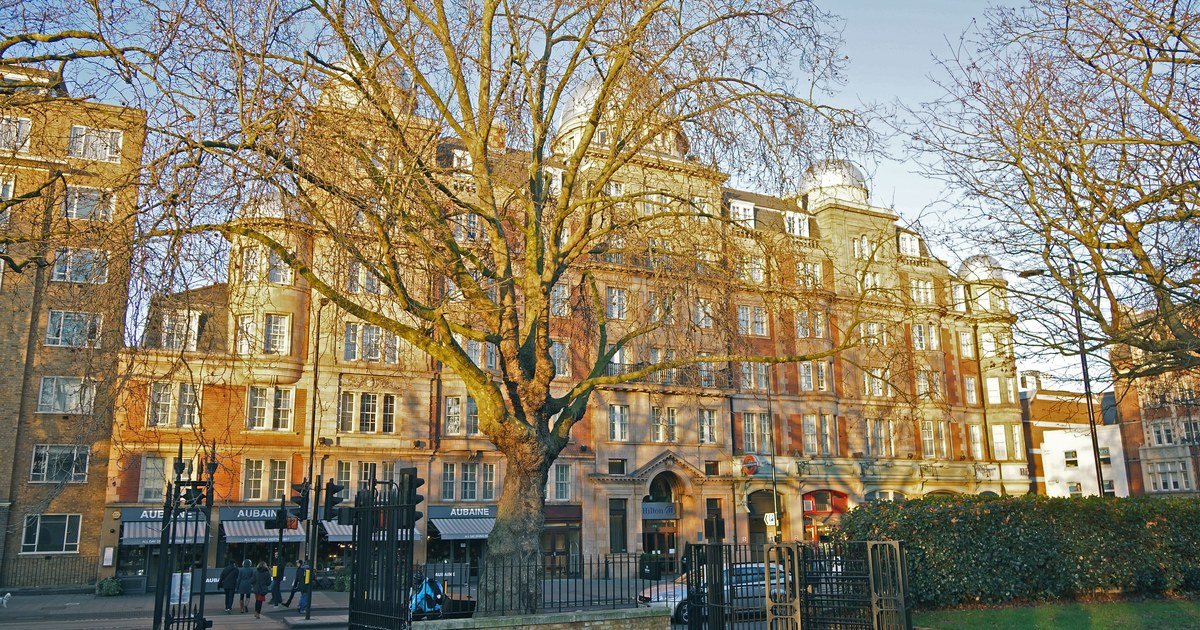
A fire broke out in the basement of a fitness club on Queensway in Bayswater, bringing four fire engines and around 25 firefighters to the west London street.
The blaze is believed to have been accidental. Fire investigators believe it was caused by textiles self-heating inside a tumble dryer, a hazard firefighters say is far more common — and far more dangerous — than most people realise.
Crews from Kensington, Paddington, Hammersmith and North Kensington were called to the scene. Control officers took the first of three calls at 1.27pm, and firefighters had the blaze extinguished by 2.31pm.
A small part of the basement was damaged in the fire. No injuries were reported.
Why tumble dryers can catch fire on their own
Firefighters used the Bayswater call-out to warn about a particular risk with laundry: textiles contaminated with oil can heat up by themselves, even after washing, and eventually smoulder and burst into flame.
These types of fires often involve textiles that have picked up oil — most commonly linseed oil, massage oil and cooking oil — on items such as tea towels, tablecloths and chef whites. The warning applies well beyond gyms and commercial laundries: any household where oily cloths go through the wash and then into a hot dryer faces the same risk.
The problem, firefighters explain, is that heat from tumble drying cannot always escape from a tightly packed load. When materials are cleaned and put in a tumble dryer, the trapped heat can build to a high enough temperature for the fabric to smoulder — and smouldering, left unchecked, eventually ignites.
That is why the advice is specific and practical. Check the manufacturer’s cleaning recommendations for textiles before washing them. If you are washing and then drying on a hot cycle, always use the cooling cycle on the tumble dryer so the load cools down properly. And allow the heat to dissipate fully before stacking laundered items together — piling warm, freshly dried cloths into a heap or a closed basket traps exactly the heat that causes these fires.
A street used to sirens — and a quick response
Queensway is one of Bayswater’s busiest thoroughfares, lined with shops, restaurants and hotels a short walk from Hyde Park, and the sight of four engines arriving there would have stopped passers-by in their tracks. But the response itself was textbook: four stations turning out, three calls handled by control, and the fire out within just over an hour of the first call.
The fact that only a small part of the basement was damaged, and that nobody was hurt, owes much to that speed — basement fires are notoriously awkward to fight, with heat and smoke building in a confined space below street level. In this case the damage was contained before it could spread through the rest of the club.
It is not the first time in recent days that London firefighters have been called to a building fire in a busy residential street. Earlier on Monday, crews tackled a fire on Barnsbury Street in Islington that closed the road, while a building fire on Kilburn High Road at the weekend partly blocked the A5. And in Dartford, a flat fire on Bodycomb Street left two people with serious burns — a reminder that the outcome in Bayswater, with no injuries at all, was a fortunate one.
What to check at home
The Bayswater fire is a useful prompt for anyone with a tumble dryer at home or at work. Oily rags and cloths should never go straight from the wash into a hot dryer cycle without a second thought. Read the care label, use the cooling cycle every time, and never leave warm laundry heaped together in a basket or cupboard.
Most of all, firefighters say, do not assume that because something has been washed, it is safe. Oil does not always wash out completely, and it is the residue left behind that can heat up on its own. A few minutes of cooling time is all it takes to remove the risk — and, as the Bayswater call-out shows, skipping it can end with four fire engines outside.