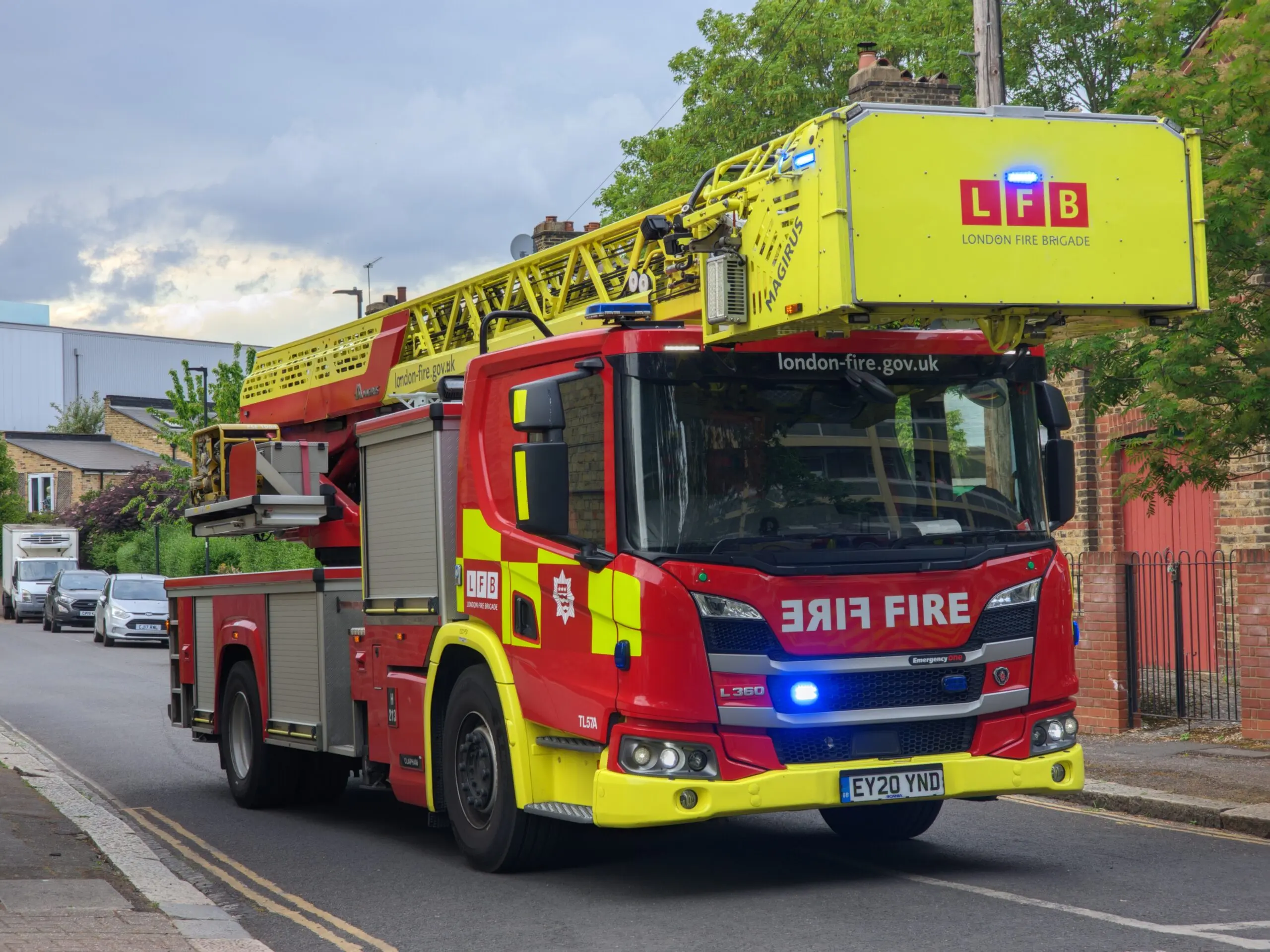
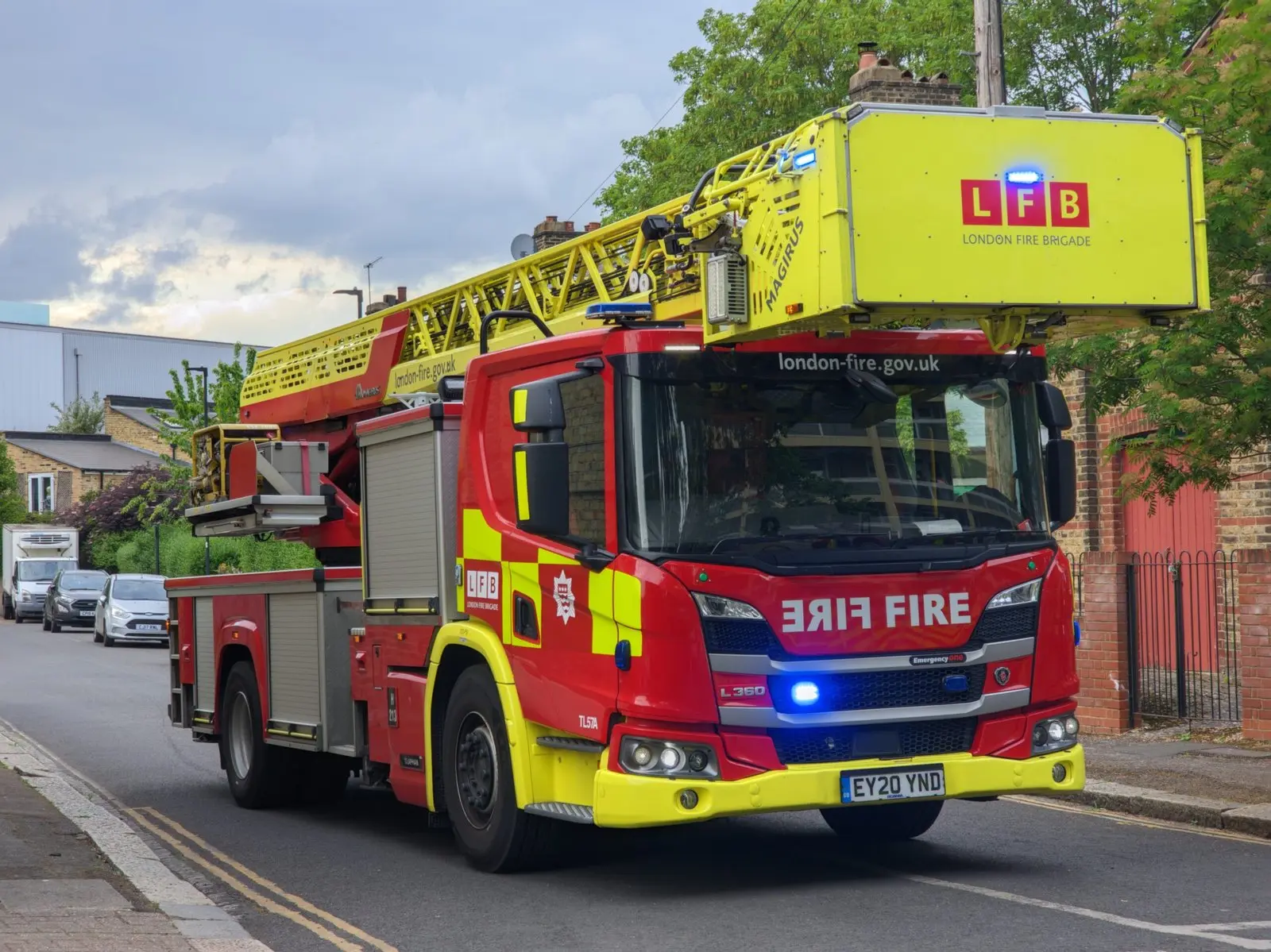
London Fire Brigade has drawn up plans that could amount to Wandsworth fire engine cuts: slashing its fleet of Operational Support Units from six to two — a move that could take the borough’s only fire engine out of service for hours at a time.
The six support lorries carry spare breathing apparatus cylinders, water and other specialist kit to fires, floods and chemical incidents across the capital. Under the plans, Wandsworth would keep its lorry but lose eight posts. When the lorry is called out, a driver and a firefighter would be taken off the fire engine to crew it, leaving too few firefighters behind to take the main appliance out. A typical trip takes four to six hours there and back.
The plans are said to have caused serious concern within the fire service. Neither City Hall nor the brigade denied them when asked — though the brigade would not say how many support units it plans to keep, how many posts would go, or how the Wandsworth lorry would be crewed.
City Hall says no final decision has been made, and the brigade says its review is still running. A spokesperson for the Mayor said any changes were designed to “improve the effectiveness of the Brigade”, while a brigade spokesperson said Londoners would be told how the service had changed once decisions were made.
But the proposal sits awkwardly with Sadiq Khan’s 2024 manifesto promise of “no cuts to the London Fire Brigade (LFB) frontline”. In April the brigade said this year’s savings had been made without reducing the number of fire stations, appliances, firefighters or its regulatory capabilities — and the Mayor’s office says he will keep delivering the funding the brigade needs and protect the frontline.
The support units have been in the brigade’s sights for savings since its 2023/24 budget round, when an internal efficiency review recommended reforming them. The savings did not materialise, and the idea was folded into a wider review of specialist units. The brigade launched a two-year Specialist Capability Review in 2025. Its annual plan for this year names the support units among the review’s priorities and says it will “deliver efficiencies”; this year’s budget includes savings from what it calls the “specials review”. The brigade said the review’s purpose was to provide the best possible service to London with modernised and improved capabilities.
What is an Operational Support Unit? Unlike the familiar red fire engines — the pumping appliances that race to 999 calls — the support lorries are the brigade’s backup trucks. They ferry the bulky, heavy kit that crews burn through at major incidents: spare breathing apparatus cylinders so firefighters can keep rotating through smoke-filled buildings, additional water supplies, and specialist equipment for floods and chemical spills. Because they serve the whole of London rather than a single borough, a single deployment — including the return journey — can take four to six hours.
That matters in Wandsworth because the borough has just one fire engine, based at the fire station on West Hill, covering most of Putney and Roehampton, Wandsworth town and parts of Southfields. It was sent out 2,069 times last year. The brigade’s own incident records show it was first on the scene at about three in four incidents on its patch over the past two and a half years — more of them in SW15 than SW18. When it got there first, the typical wait was 4 minutes 42 seconds; when another station’s engine got there first, it was 7 minutes 38 seconds, about three minutes longer. Engines from Fulham and Battersea are the most likely to arrive first when Wandsworth’s does not.
How often the lorry goes out — and so how many hours the engine could be off the road each month — is not published. The brigade’s open data covers fire engines only.
Scrutiny now falls to the London Assembly’s Fire Committee, which next meets on 21 October, though the support units are not on its published programme for that meeting. Léonie Cooper, the Assembly Member for Merton and Wandsworth, who sits on the committee, was asked whether she had been briefed on the plans and had not replied by the time of publication. Assembly Members can put written questions to the Mayor, with answers published; Fire Committee meetings are open to the public and webcast. The review itself — the two-year Specialist Capability Review — is the document to watch: its annual plan and this year’s budget papers are where any “efficiencies” from the support units will have to be spelled out.
The row comes as Wandsworth faces a proposed record 94 per cent council tax rise from April 2027, while the council has separately agreed to fund 25 extra police officers in a £4.9m-a-year deal — a sign of how stretched the borough’s emergency cover already feels.
For now, the review continues — and with it, the question of whether taking Wandsworth’s only engine off the road for hours at a time can be squared with a promise of no frontline cuts.