


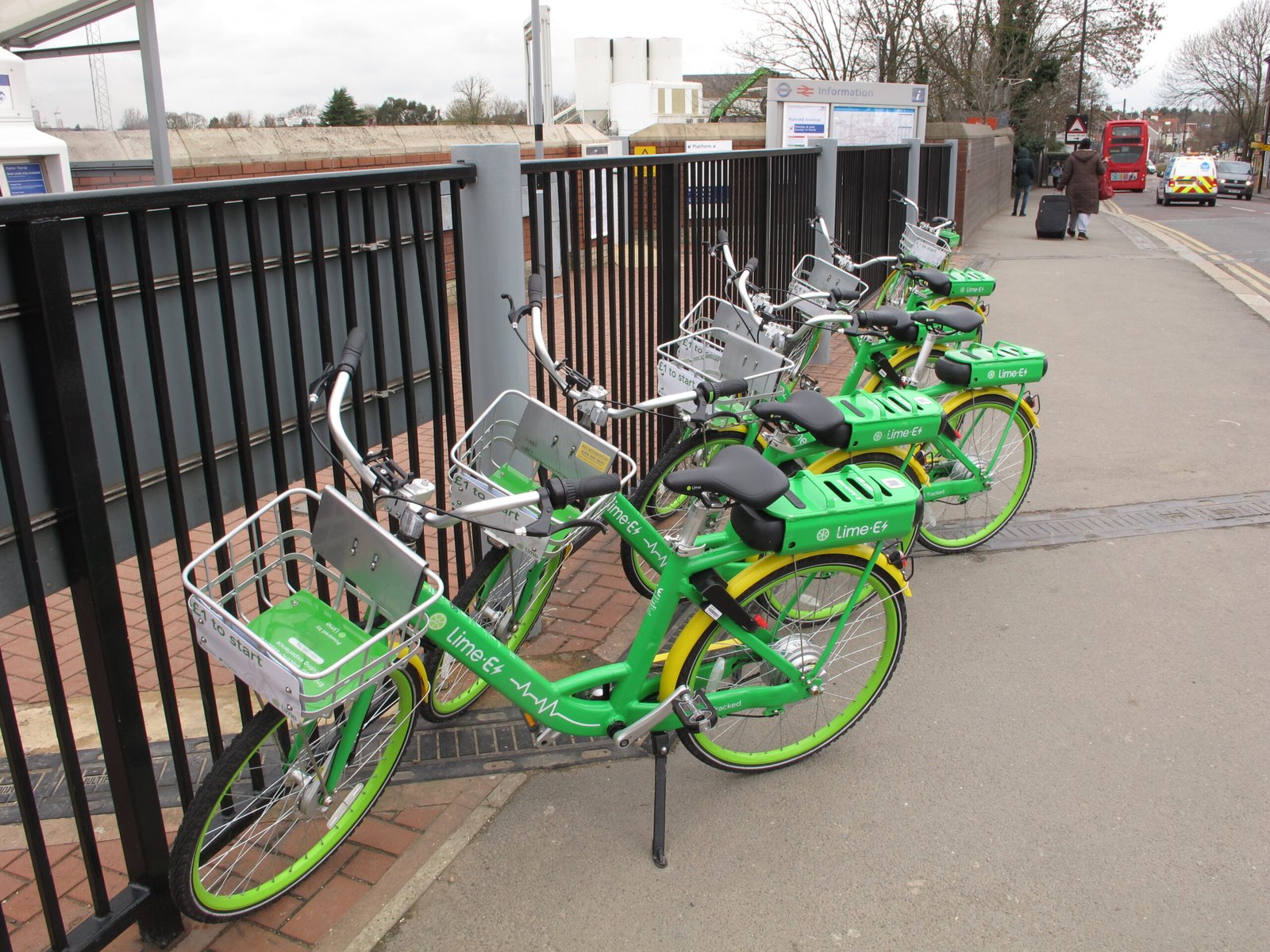
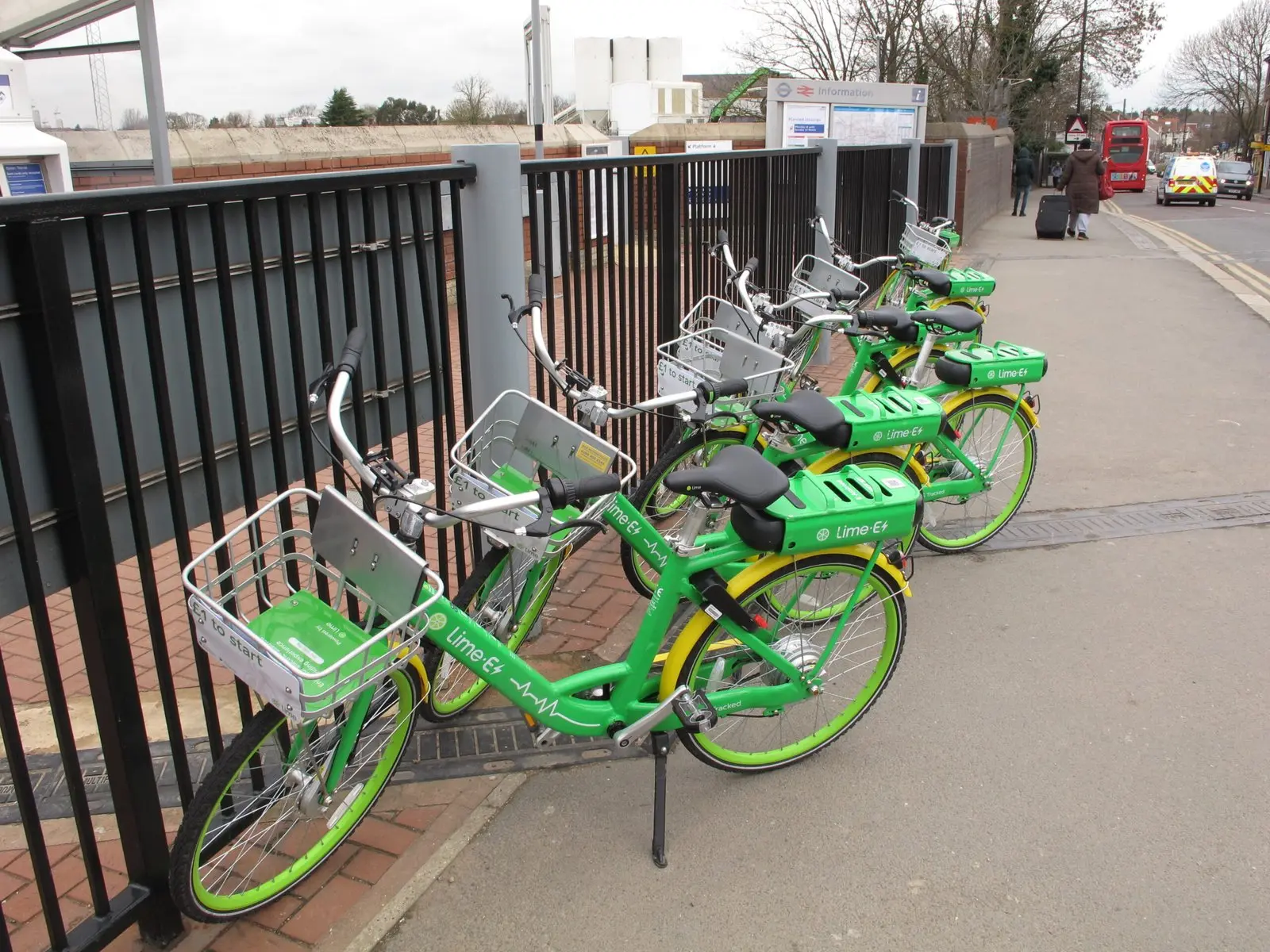
Sadiq Khan has unveiled plans for a London-wide licensing scheme for dockless e-bike operators, vowing to end what he called the capital’s “Wild West” approach to the hire cycles.
The Mayor set out his vision on Tuesday, proposing a single set of rules for the whole of London in place of the current patchwork of borough-by-borough arrangements. The statement published by City Hall confirms that Transport for London (TfL) would gain statutory powers to license all operators in the capital, including Lime, Voi and Forest.
The powers flow from the Government’s English Devolution and Community Empowerment Act 2026, which enables the Secretary of State for Transport to hand TfL the new responsibilities. Further secondary legislation and Government guidance — which the Department for Transport is expected to consult on — must be passed before any scheme can be introduced.
“The ‘Wild West’ approach to dockless e-bikes cannot continue,” Khan said. “While these services are helping thousands more Londoners to cycle, their rapid growth has also brought challenges around safety, inconsiderate parking, and the lack of data needed to properly manage them.”
The Mayor said he had been “calling for powers to better manage dockless e-bike schemes since 2017, when the first schemes arrived in London”, adding that it was now vital the Department for Transport “moves quickly to bring forward the secondary legislation needed to make these powers a reality”, because “London cannot afford further delays”.
What would change for riders and boroughs
Today, each of London’s boroughs sets its own rules on how many e-bikes can operate on its streets, what operators must do about bad parking and how they are fined — producing a patchwork where the rules can change at every borough boundary.
The Mayor wants to replace that with one consistent pan-London framework covering parking, operations, regulation and enforcement, giving residents, riders and operators certainty wherever they travel in the capital. Alongside it would come city-wide safety standards — well-maintained vehicles, rider education, responsible behaviour and effective enforcement — as well as rules for fair and transparent pricing and data-sharing requirements to help authorities plan services and tackle problems quickly.
Operators themselves have previously called for London to follow Paris and introduce a city-wide set of rules for dockless bikes. Christina Calderato, TfL’s director of transport strategy and policy, said the move would “replace the current patchwork, borough-by-borough approach with a consistent London-wide licensing scheme, which will put safety first and tackle unsafe parking, while ensuring dockless bikes can continue to contribute to the capital’s cycling boom”.
The data behind the crackdown
The announcement comes as London’s cycling boom accelerates: daily bike trips are up 43 per cent since 2019, making cycling by far the fastest-growing mode of transport in the capital, and TfL estimates that more than one in ten cycle journey stages were made by dockless bike last year. The Mayor and TfL have grown the Cycleways network from 90km in 2016 to more than 450km today.
But that rapid growth has brought friction. City Hall points to poorly parked bikes creating accessibility problems for older and disabled people, unsafe riding, collisions and limited protection for those injured in incidents involving hire bikes. E-bikes have also been drawn into more serious incidents — two people were arrested on suspicion of murder after an e-bike death in North Kensington.
The Mayor and TfL are already trying to ease the parking problem, with £1.7m given to boroughs this year to fund micromobility parking spaces. City Hall says there are already more than 36,000 such spaces on London’s streets.
What happens next
TfL is expected to publish further details of the Mayor’s vision later this year, alongside shorter-term plans to make services work better while the legislation is prepared. In the meantime, the Mayor said he would work closely with dockless operators and ensure they engage fully with London’s boroughs and TfL.
Boroughs, which have been vocal in their dealings with the transport body — Hackney Council recently urged TfL to rethink planned bus cuts — are expected to press for a strong say in how the new powers are used. TfL, which is also running a year-long pilot to bring station cleaning in-house, says it will “work at pace with boroughs and other stakeholders” once it has details of the licensing framework.