


Buses on one of north London’s newest routes are now running through Holloway after Transport for London (TfL) permanently rerouted the 310 via the area’s busy Nag’s Head shopping centre.
The 310, which links Golders Green and Stamford Hill, has been diverted away from its previous path through Crouch End, Hornsey and Stroud Green. The change came into force on 5 September, when the route was also made a permanent fixture of the capital’s bus network following a two-year trial.
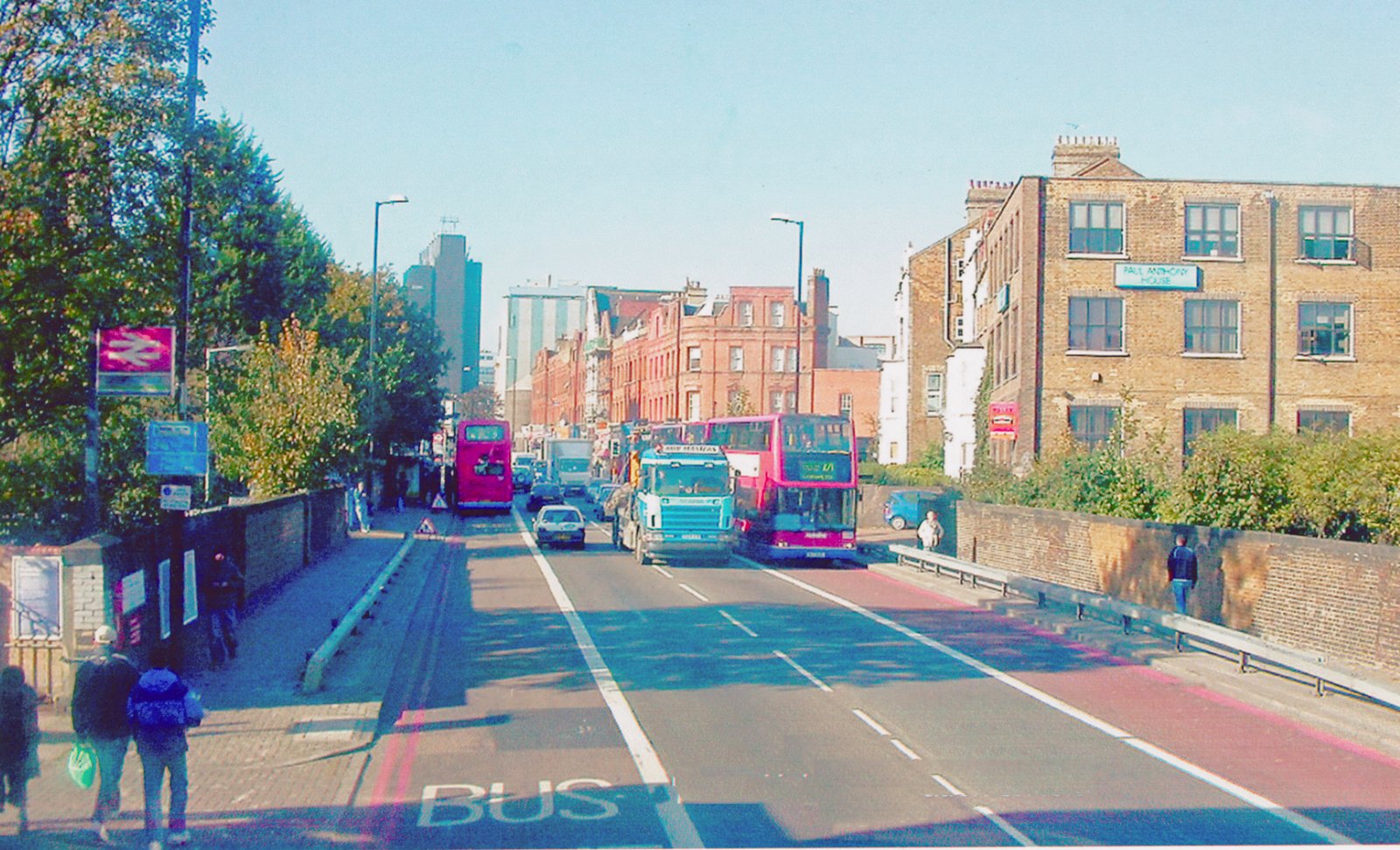
TfL says the new routing will bring the service past some of the busiest shopping streets in the borough in a bid to win more passengers and cut journey times, after figures showed the route was losing £2.6 million a year.
What has changed on the 310
Under the new arrangement, 310 buses run via Holloway and the Nag’s Head instead of Stroud Green Road at Finsbury Park. TfL’s consultation on the change said the diversion would create new connections to Holloway Road and Seven Sisters Road, putting the service within reach of far more potential passengers than the quieter residential streets it used before.
The transport authority confirmed it would proceed with the rerouting as proposed after the consultation closed, alongside running the service later in the day across the week and extending it to Rookwood Road. The frequency of a bus every 20 minutes has been kept.
Stagecoach London continues to operate the route, having retained the contract from 5 September.
A route born from a 15-year campaign
The 310 only started running in September 2024, following a 15-year campaign by local people for a direct bus link between the two neighbourhoods. Before it launched, anyone travelling between the areas had to change at Finsbury Park station — an interchange many older and vulnerable passengers found difficult.
It was introduced as a two-year trial to test demand. Following public engagement, TfL decided to keep the service for good, but with the new path through Holloway in place of the Crouch End and Hornsey section.
The money question
The rerouting is, at least in part, about the bottom line. TfL pays Stagecoach £3.3 million a year to run the 310, but fare income between April 2025 and March 2026 came to just £690,000 — leaving an annual shortfall of £2.6 million.
Transport planners hope that sending buses through busier commercial districts such as Holloway will lift ticket sales and make the timetable more efficient. The move comes as the wider bus network faces pressure on passenger numbers, with bus speeds falling to their lowest since 2013-14 as passenger journeys decline.
A TfL spokesperson said: “The route 310 provides valuable direct links to the communities it serves and, like many similar routes that serve primarily to provide links rather than meet high-volume demand, does not currently recoup its operating costs.”
Passengers split on the switch
The consultation results show the change has divided opinion. Almost half of those surveyed — 47 per cent — felt the rerouting would affect them negatively, compared with 37 per cent who expected a positive impact. And 48 per cent said they would use the 310 less often once the Holloway diversion was in place.
Passengers in Crouch End, Hornsey and Stroud Green lose their direct link on this service and will need to use other local buses instead. The question now is whether new custom from Holloway makes up for the regulars the route leaves behind — a familiar tension whenever TfL consults on reshaping bus services.
What the 310 covers — and who relies on it
The 310 runs from Rookwood Road in the east, through Stamford Hill, Manor House and Finsbury Park, then via Holloway’s Nag’s Head, Upper Holloway and Archway, before climbing through Highgate and across Hampstead Heath to Golders Green station in the west.
It is one of a small number of routes designed less for commuter volume and more for community connection — in this case giving residents of two of north London’s most established neighbourhoods a single-seat journey for family visits, shopping and worship, without the struggle of changing trains at Finsbury Park. That social purpose is why TfL has kept it running despite the deficit, just as it has pressed ahead with other network changes such as bringing route 6 into public operation.
How to check your bus before you travel
TfL publishes live bus status updates and disruption information on its website, where passengers can search by route number to see whether their service is running normally. It is worth checking before setting out, particularly in the first weeks of a rerouting while drivers and passengers adjust to the new stopping arrangements.
Bus stops along the changed section carry updated timetable posters and route diagrams, and TfL’s journey planner reflects the new path via Holloway. Anyone who used to catch the 310 in Crouch End, Hornsey or Stroud Green should check which alternative routes now serve their stop.