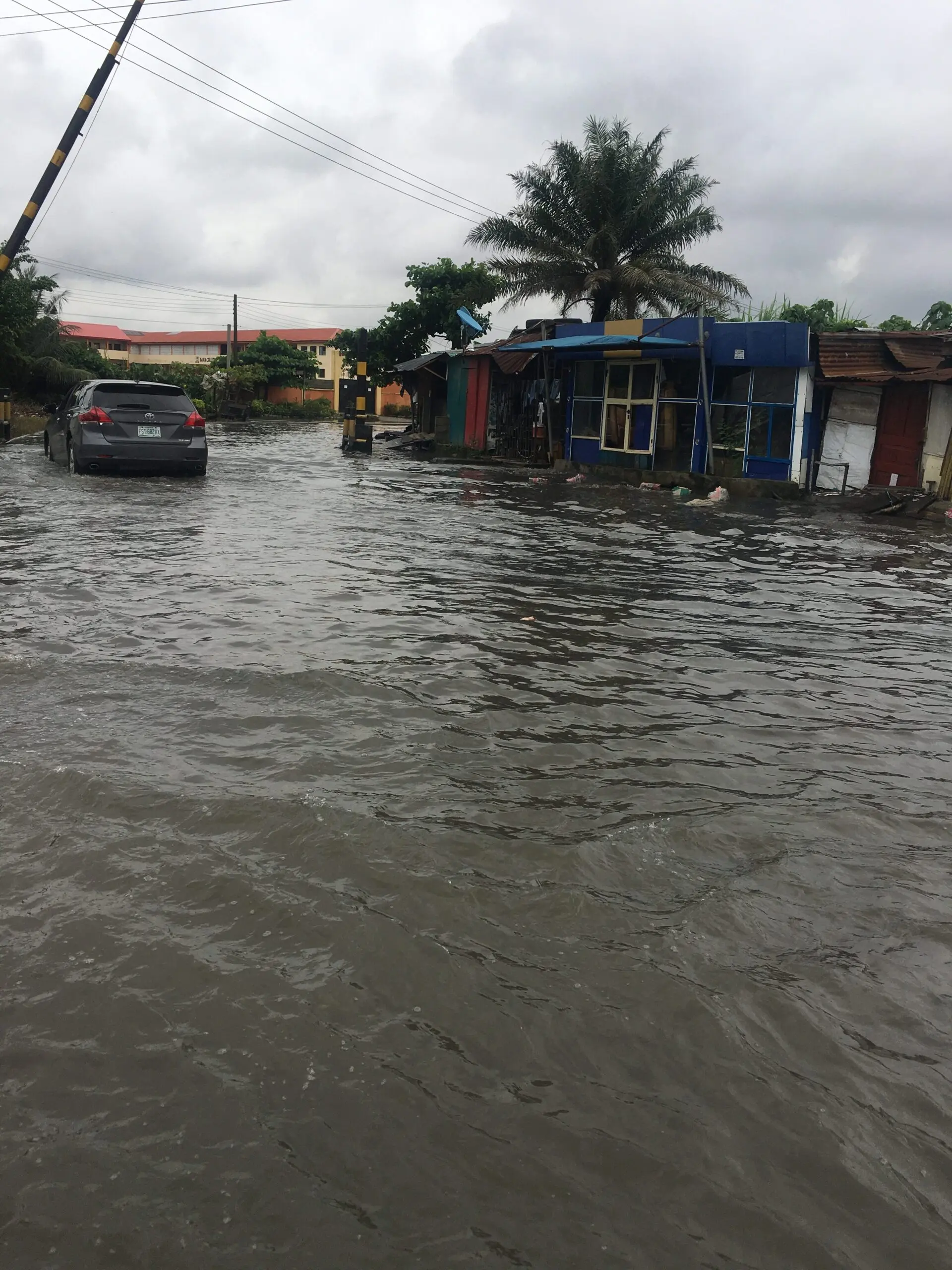
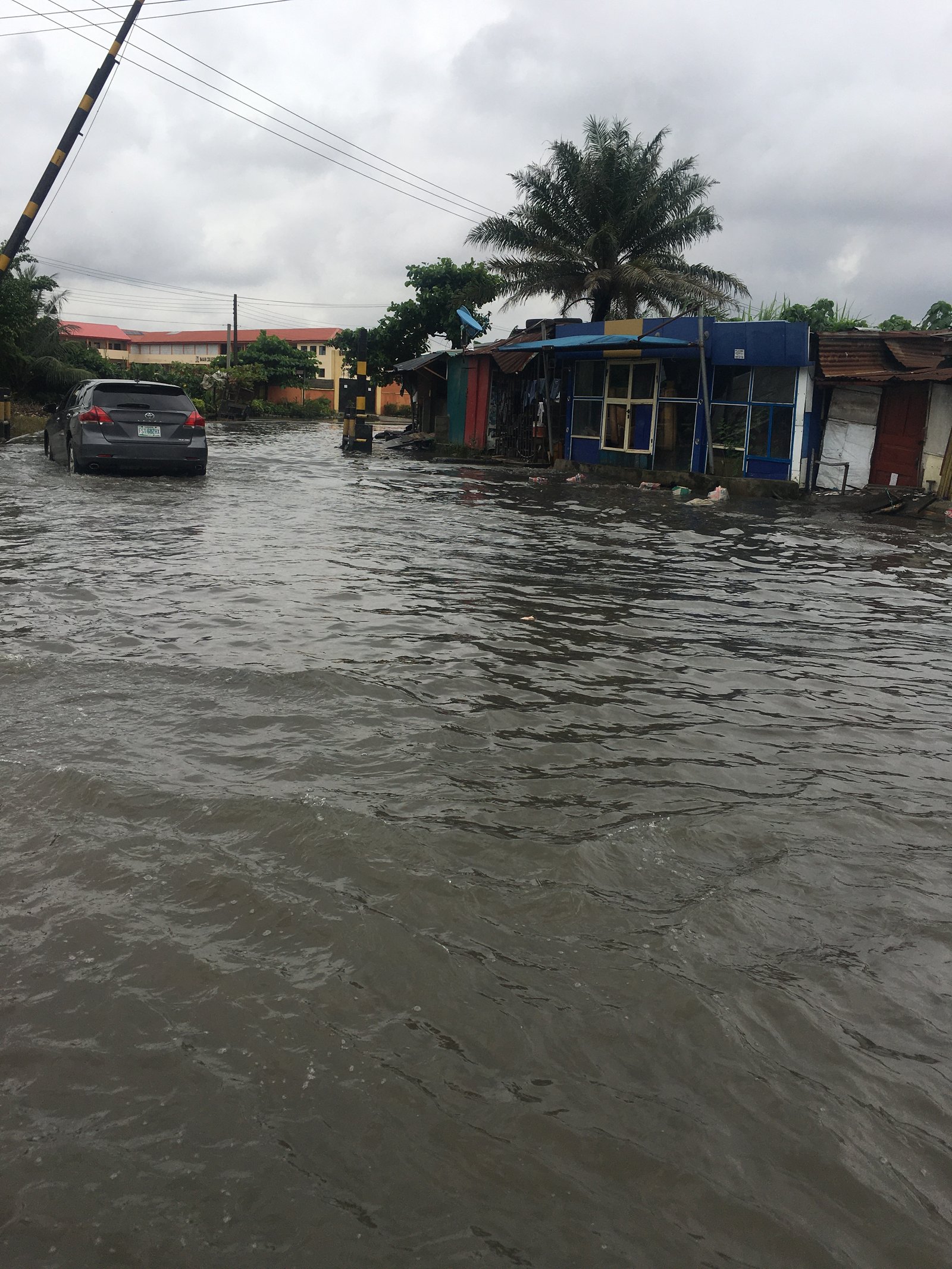
Redbridge Council has expanded its network of underground “sponge” drainage to fight flash flooding, adding capacity for around 426,000 litres of stormwater — the equivalent of 2,400 baths — beneath streets in Seven Kings, Clayhall and Barkingside.
The Hydrorock systems have been installed under the High Road in Seven Kings, Claybury Broadway in Clayhall and Tomswood Hill in Barkingside, alongside permeable paving that lets rainwater soak through rather than running off into drains.
The new capacity takes the borough’s total underground stormwater storage to more than 2.2 million litres, as part of an £11 million, 10-year investment plan to protect homes and businesses from flooding.
Six new rain gardens have also been created in Clayhall, Woodford and Hainault, adding greenery while helping to absorb heavy rainfall.
The investment follows the devastating flash floods of July 2021, when intense summer storms overwhelmed drains and left homes, businesses and Tube stations under water across London.
Cabinet member for Environment and Neighbourhoods Jo Blackman said the council was determined to protect residents from the growing threat of flash flooding, as climate change brings more intense rainfall to the capital.
How does Hydrorock work?
Hydrorock is made from porous stone wool blocks installed beneath the road surface. Rainwater filters down through permeable paving into the blocks, which store it like a giant underground sponge and release it slowly into the ground or drainage system — rather than overwhelming sewers all at once during a downpour.
Permeable paving works by replacing impermeable asphalt with a surface that water can pass through. Instead of pooling on the road or rushing into gullies, rainwater drains through to the Hydrorock blocks below.
Rain gardens — shallow planted dips designed to collect and filter runoff — serve a similar purpose above ground, while also providing habitat for wildlife and making streets more attractive.
The numbers at a glance
- 426,000 litres: new stormwater capacity — the equivalent of 2,400 baths
- 2.2m+ litres: total underground storage across the borough
- £11m: the council’s 10-year flood investment plan
- 6: new rain gardens in Clayhall, Woodford and Hainault
- 3: locations for expanded Hydrorock — Seven Kings, Clayhall and Barkingside
- July 2021: the flash floods that prompted the investment
Why Redbridge is at risk
Redbridge is particularly vulnerable to surface-water flooding. Much of the borough is heavily built up, with limited green space to absorb rainfall. When intense storms hit — as they did in July 2021 — water runs off roads and pavements faster than drains can cope, flooding homes and businesses.
Climate scientists expect intense summer downpours to become more frequent as the planet warms, putting pressure on Victorian-era drainage systems that were never designed for such volumes of water.
The borough has dealt with water chaos before. When a Thames Water burst main flooded streets in Redbridge and took days to repair, residents saw how quickly the water network can fail.
With heavy rain a recurring threat to the capital, the new defences are designed to buy the drainage system time during the worst downpours.
What residents can do
For residents, the message is that the council is investing for the long term — but flood risk cannot be eliminated entirely. Homeowners in flood-prone areas are advised to check their flood risk and consider measures such as flood barriers and moving valuables upstairs during severe weather.
The flood works sit alongside wider council investment in the borough, from safer footpath crossings for schools to new homes, as Redbridge prepares for a wetter future.