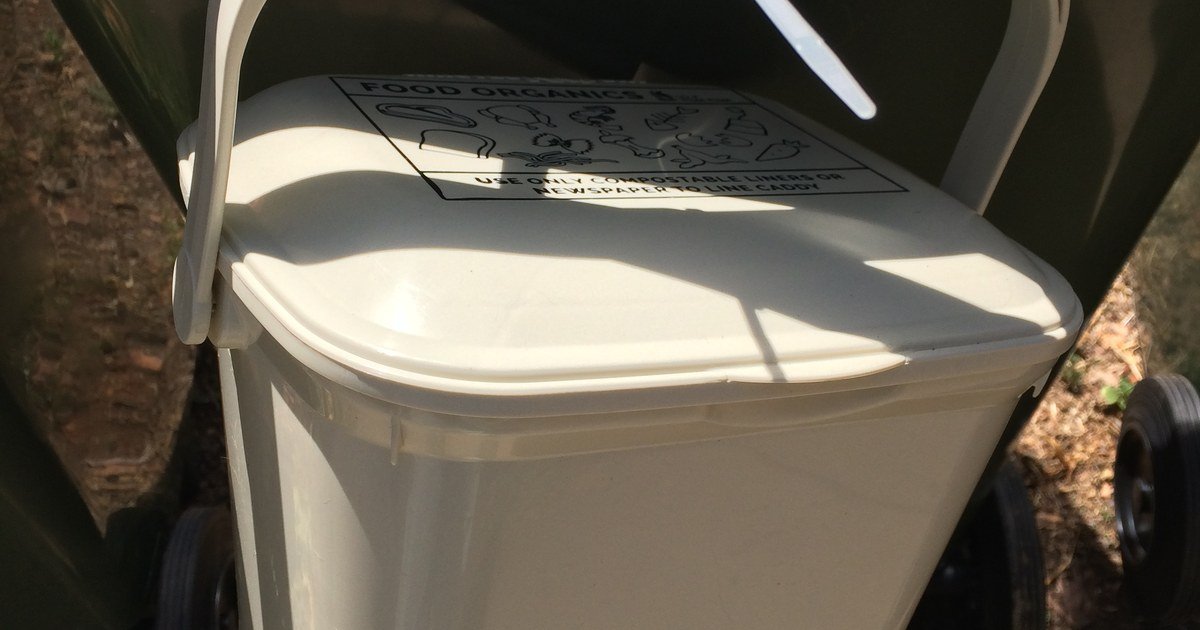
Weekly food waste collections are being extended to 76,000 homes across Newham, as the council expands its recycling service to street-level properties throughout the borough.
The scheme aims to turn household food scraps into renewable energy and bio-fertiliser. It follows the success of an initial pilot in which 12,000 households recycled 533 tonnes of food waste over ten months.
The expansion is part of Newham Council’s three-phase rollout in response to the Government’s Simpler Recycling reforms, which require separate weekly food waste collections across England. Under the reforms, councils must collect food waste separately from general rubbish, so that it can be processed rather than sent to landfill or incineration.
All food waste collected through the scheme is sent to an anaerobic digestion facility. There, microorganisms break the waste down without oxygen, producing biogas that can generate electricity and a nutrient-rich digestate that is used as bio-fertiliser.
Cllr Susan Masters, cabinet member for adults, health and environment, said: “It was fantastic to join our hardworking teams today to help deliver food waste recycling caddies to residents. With around 40 per cent of our rubbish made up of food waste, we all have a real opportunity to make a positive change and turn our scraps into something useful.”
She added: “Our residents have already shown what we can achieve together, and it’s brilliant to see so many households embracing food waste recycling. Now, as we expand the service across the borough, we want even more residents to get involved and make food waste part of their weekly routine.”
According to the council, even small amounts of food waste can make a difference. Just six recycled tea bags can generate enough electricity to boil a kettle, while nine banana peels could produce enough energy to fully charge a laptop.
Each participating home will receive a free starter kit, including a five-litre kitchen caddy, a 23-litre lockable outdoor caddy, a roll of liners, and an instruction leaflet. Delivery of the kits began on October 19 and will continue over six to eight weeks. Residents are encouraged to start recycling food waste as soon as they receive their kit.
Farooq, a Newham resident, said: “It’s really handy having a small caddy in the kitchen for things like fruit and vegetable peelings and other food scraps. I’ve definitely noticed that our rubbish bin doesn’t fill up as quickly during the week anymore.”
The final phase of the scheme will extend to flats and properties above shops in Spring 2027, completing the borough-wide rollout.
The expansion comes as Newham continues to grapple with other borough challenges. Newham recently topped London for arson and criminal damage offences in September, while police in Stratford are investigating after a prayer centre window was smashed.