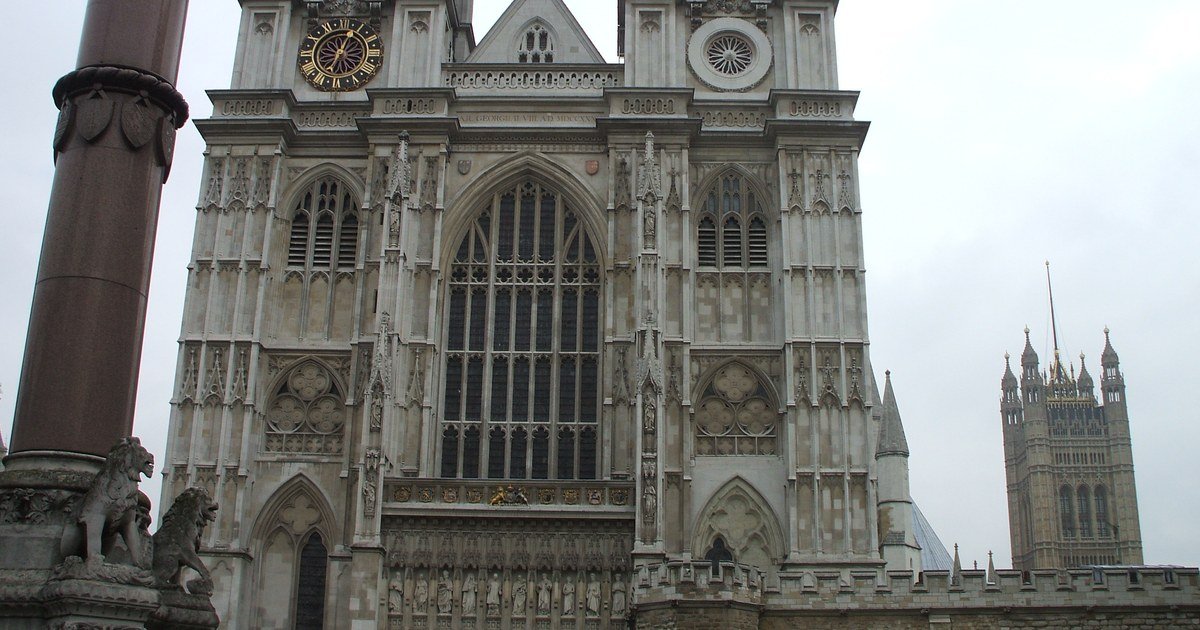
MI5 kept Communist Party members under close surveillance in the weeks before the coronation of King George VI, amid fears that activists were plotting to disrupt the ceremony at Westminster Abbey, newly released papers reveal.
Files released to the National Archives show the security service was watching party members in London and beyond in the run-up to the coronation on 12 May 1937, after learning of plans to distribute one million anti-monarchist leaflets during coronation week as part of a wider propaganda campaign.
Party split over how far to go
An MI5 report from April 1937 exposes the disagreements inside the party about how to approach the event. It records that “a comrade in Manchester had been ‘severely censured’ for proposing a series of demonstrations as it would be ‘playing into the hands of the fascists and police’.”
Despite the warnings from their own ranks, some members were not shy about their views. One activist from Poplar in east London was overheard complaining about “all this coronation ballyhoo over the crowning of the biggest dumb-head that ever sat on a throne.”
‘Charabanc drives’ instead of protests
Rather than risk direct confrontation or public protests, most activists were advised to channel their energy into organised outings. Many took part in “charabanc drives” into the countryside — motor-coach trips that doubled as opportunities to share anti-monarchist views, carefully.
The MI5 report noted that members had been told they would be “going against the stream” by doing this, and that “they must be careful to speak in such a way that they do not make themselves unpopular with their neighbours.”
Elsewhere, members were urged to oppose “unnecessary expenditure on street demonstrations or spending by local authorities on banquets for councillors etc.” — a line that shows the party trying to strike a political note with taxpayers as well as activists.
A careful balancing act
Taken together, the files reveal the careful balancing act inside the Communist Party of Great Britain: keen to exploit one of the biggest national occasions of the decade, but determined not to provoke a backlash from a largely pro-royalist public.
The context was extraordinary. George VI had come to the throne barely five months earlier after the shock abdication of his brother Edward VIII in December 1936. The new king’s coronation was a moment of deliberate national reassurance — the first to be broadcast on television — and the authorities were taking no chances with the spectacle.
East London’s radical roots
The appearance of a Poplar member in the files will surprise few students of London history. The East End was a stronghold of radical politics in the 1930s, home to dockers, garment workers and some of the country’s most committed left-wing organisers. The same streets that produced the Poplar rates rebels of the 1920s remained, a decade later, among the places MI5 watched most closely.
The documents form part of the regular releases of declassified MI5 files to the National Archives at Kew, which have repeatedly lifted the lid on the state’s Cold War and pre-war surveillance of domestic political movements. The files are open to the public, and anyone can book a reader’s ticket to examine the original reports for themselves.
Westminster Abbey remains the setting for the country’s most solemn national occasions — from coronations to acts of remembrance — and the Abbey itself has yielded its share of secrets over the years, as when a skeleton discovered during building works made headlines last year.
What the new files make clear is that even in a week of national celebration, the authorities were reading the mood street by street — and that some of the loudest voices were coming from east London.