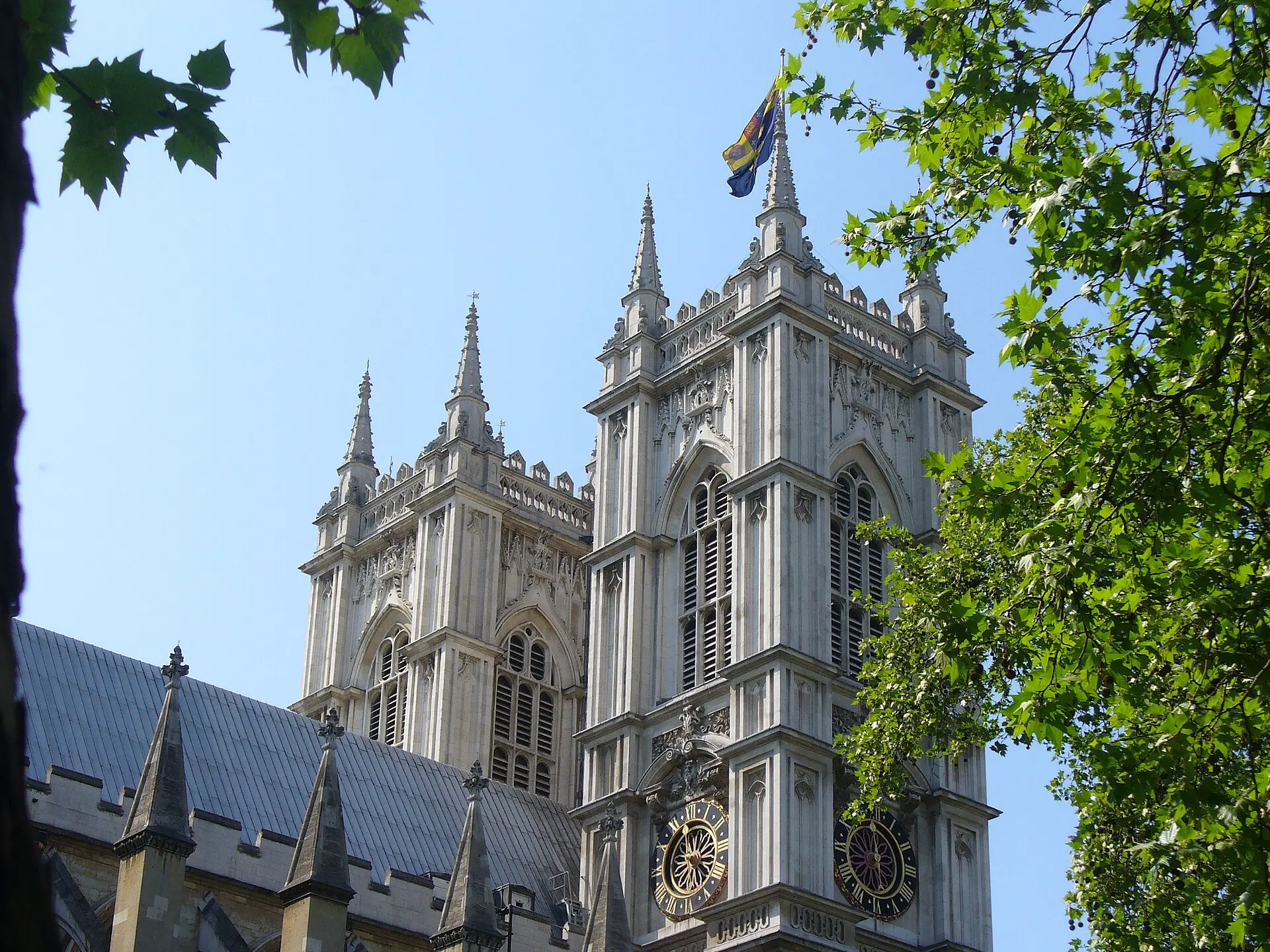
A mysterious skeleton discovered inside a Roman sarcophagus in the grounds of Westminster Abbey more than 150 years ago may finally have been identified.
Archaeologists now believe the remains belong to a high-ranking medieval monk, possibly an abbot who died around 1,000 years ago.
The limestone sarcophagus, unearthed in 1869, bore an inscription for Valerius Amandinus, a wealthy fourth-century Briton. However, a Latin cross carved into the lid pointed to a much later burial, dating from the 10th or 11th century.
Professor Warwick Rodwell, a consultant archaeologist at Westminster Abbey, has now concluded that the most likely occupant is Aelfwig, an abbot who died around 1020. His findings were published in the Journal of the British Archaeological Association.
Prof Rodwell said: “We have two viable contenders for the occupant of the sarcophagus. We do not know the date of birth of either. But either would fit equally well if we assume the Abbot was in his early twenties when the appointment was made and close to 50 when he died. The fact Aelfwig was already a monk of Westminster might favour him.”
He said the individual was “honoured” with a “fine sarcophagus.” The wooden coffin had been placed inside the Roman stone sarcophagus, and the lid was re-carved to feature a prominent Latin cross.
The discovery sheds new light on the Abbey’s earliest history — more than six centuries before the building most visitors see today took shape, and long before it became the coronation church and final resting place of monarchs.
The research shows how the same sacred ground has been used for burials for over a thousand years — from a fourth-century Roman inscription, to a medieval abbot, to the kings and queens of England.