


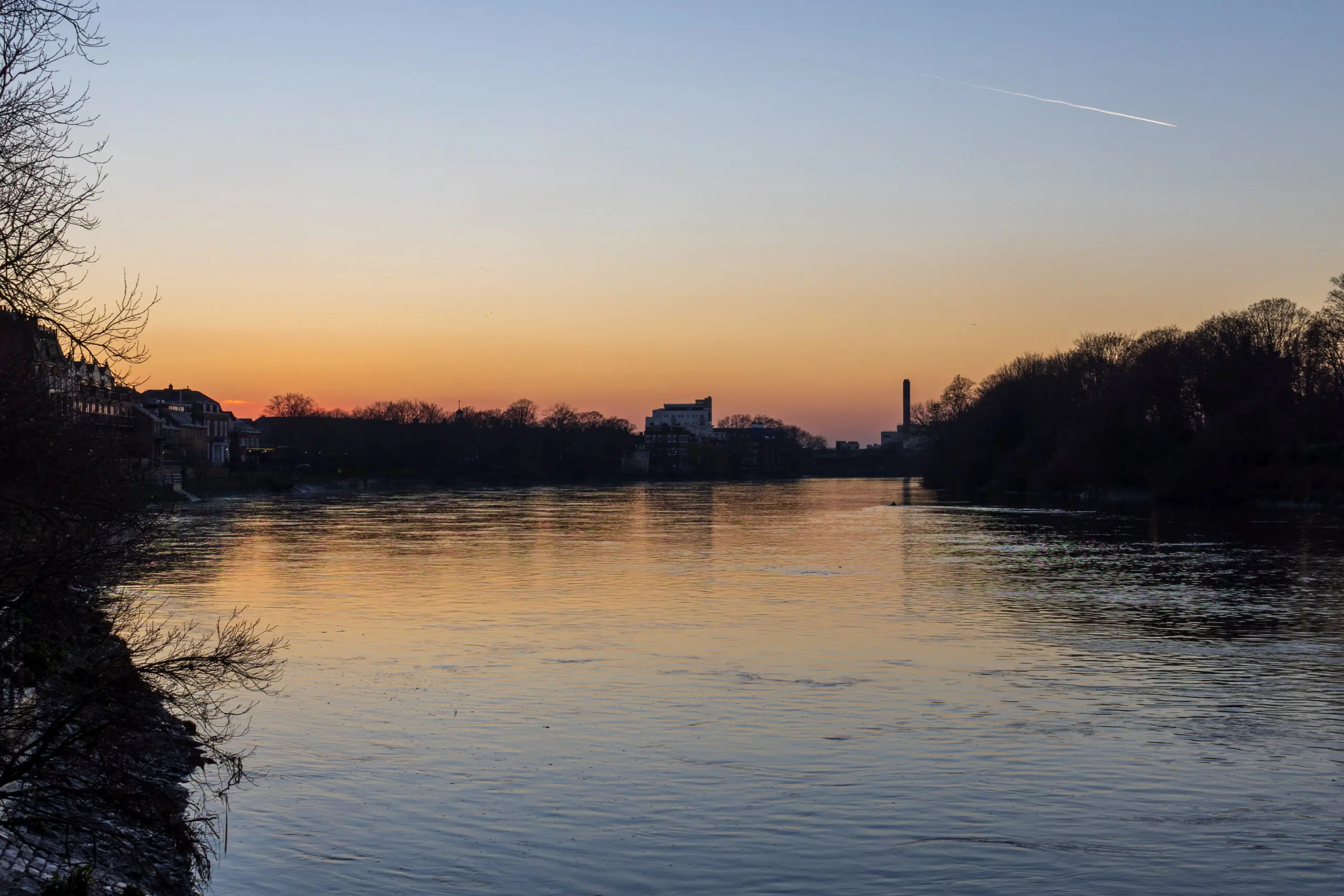
Londoners are about to lose an hour of evening daylight in a single night. When the clocks go back next month, the sun will start setting over the capital before 5pm — and it will keep getting earlier well into winter.
British Summer Time ends at 2am on Sunday, 25 October 2026, when the clocks go back one hour to Greenwich Mean Time. The effect on the evening commute is immediate and dramatic: the sunset that falls at around 5.48pm on Saturday, 24 October will arrive at roughly 4.46pm the very next day.
By the end of October, Londoners will be watching the sun go down at about 4.35pm — a full hour and ten minutes earlier than the final evenings of British Summer Time.
The exact clock-change timeline
Here is what happens and when:
2am, Sunday 25 October: clocks go back one hour to 1am. The UK returns to Greenwich Mean Time (GMT). Most phones, computers and connected devices update automatically, but analogue clocks, ovens, car dashboards and heating timers need changing by hand.
Saturday 24 October: the last sunset of British Summer Time, at around 5.48pm. Sunrise is at roughly 7.39am.
Sunday 25 October: the first sunset of GMT, at around 4.46pm. The morning gets lighter as compensation — sunrise comes at about 6.41am instead of 7.41am.
Saturday 31 October: sunset slips to around 4.35pm, and the evenings keep drawing in from there.
The one consolation is the extra hour in bed on the Sunday morning — the clocks going back effectively gifts everyone sixty minutes. The trade-off is that from Sunday evening onwards, the commute home happens in darkness.
Why the evenings suddenly feel so much darker
The shift always feels more abrupt than the gradual shortening of days through September and early October. That is because it is: in the space of 24 hours, the sunset jumps a full hour earlier, while the mornings only gain that hour back gradually in perception.
Psychologically, the weekend of the clock change is when autumn properly announces itself. The after-work walk, the evening run, the cycle home — everything that happened in daylight on the Friday is suddenly happening in the dark on the Monday.
It is worth remembering the change is not permanent. The clocks go forward again on the last Sunday in March, when British Summer Time returns and the evenings stretch out once more.
Staying safe on darker commutes
The darker evenings bring a genuine safety consideration, particularly for cyclists and pedestrians. Collision data consistently shows casualty rates rising as the clocks change, with the evening rush hour moving into darkness.
Cyclists should check their lights now rather than discovering a dead battery on the first dark ride home. A good front light, a red rear light and something reflective on clothing or the bike make an enormous difference to visibility. It is a lesson underlined by serious incidents on the capital’s roads, including the death of a 24-year-old cyclist on North Pole Road after a moped rider fled the scene.
Pedestrians can help themselves by wearing something bright or reflective, using well-lit crossings, and remembering that a driver’s visibility drops sharply at dusk — the half-light period is statistically one of the most dangerous times to be on foot.
Drivers, meanwhile, should expect more vulnerable road users to be harder to spot, keep headlights clean and properly aimed, and take extra care on unlit residential streets. Wet autumn leaves on the road surface add another hazard as the weeks go on.
Making the most of the last light
There is still time to enjoy the last of the lighter evenings. The final weekends of British Summer Time are traditionally popular for riverside walks and trips to the capital’s viewpoints before the early sunsets set in — and weekend road closures and bus diversions are worth checking before heading out.
Once the clocks change, many Londoners find the answer is to lean into it: the city’s parks, pubs and winter markets take on a different character in the dark, and the earlier sunsets make for spectacular skies over the Thames for those in the right place at the right time.
Just remember to change the clocks on Saturday night — and enjoy the extra hour.