Twenty-four London landmarks have been saved from Historic England’s Heritage at Risk Register in 2026, following successful restoration and reuse — while 16 new sites have been added to the list.
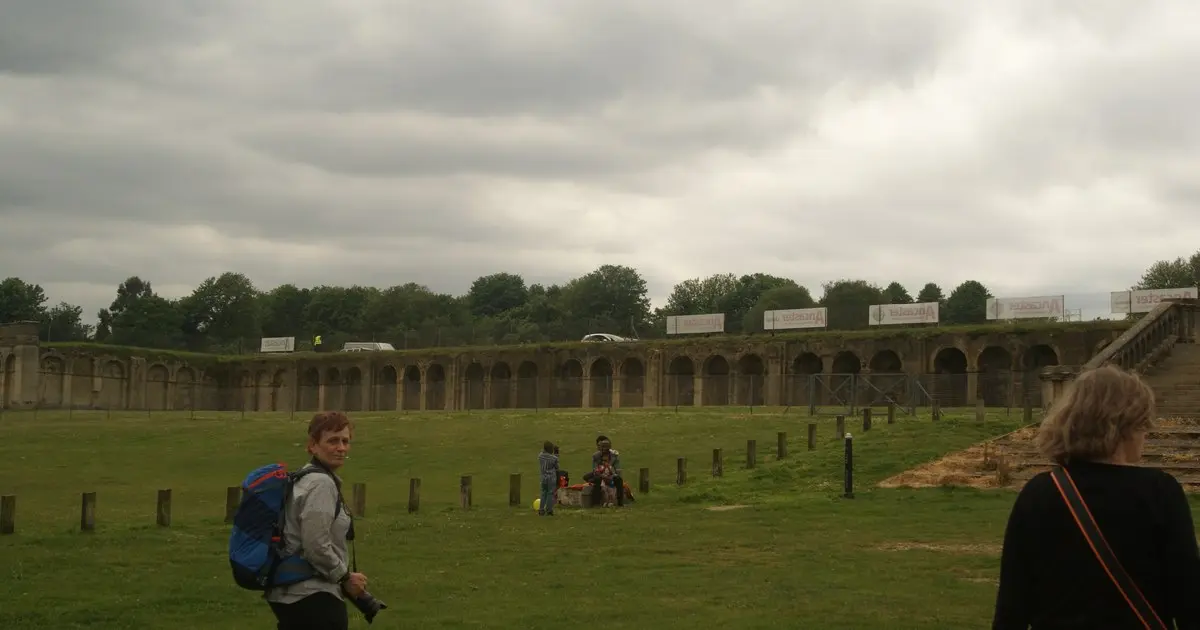
Among the saved landmarks are the grand Italian Terraces at Crystal Palace Park, a former police station in East Ham, Wanstead Park’s grotto, and a Georgian terraced house on Tottenham High Road, now home to the Sarabande Foundation, established by the late fashion designer Lee Alexander McQueen.
Claudia Kenyatta CBE and Emma Squire CBE, co-chief executives of Historic England, said historic buildings and places help tell the story of where people live and contribute to the character and identity of local communities. They added that each year the register showcases the positive impact that restoring and reusing these special places can have, and that the most effective way to protect buildings is to bring them back into use as places that create connection and enjoyment for local people.
The Crystal Palace Terraces, a Grade II-listed structure in Bromley, were restored as part of a major regeneration programme by Bromley Council and the Crystal Palace Park Trust. Work included stonework repairs, new drainage, wildflower planting, step-free access routes, reinstated staircases, and ground releveling. Victoria Pinnington, chief executive of the Crystal Palace Park Trust, called it a glowing tribute to the extraordinary work of the whole regeneration team that Historic England had seen fit to remove both the Dinosaurs and the Italian Terraces from the register, saying the project was all about securing the beloved landscape and its landmarks for the future.
Other successes include a Georgian townhouse at 810 Tottenham High Road in Haringey, transformed into a creative hub by Tottenham Hotspur Football Club with support from The National Lottery Heritage Fund. The building is now home to 14 subsidised artist studios, two galleries, and the House of Bandits café, all managed by the Sarabande Foundation. Matthew Collecott, chief operations and finance director at Tottenham Hotspur, said the club was delighted that Holly House had been removed from the register, marking an important milestone in the restoration of buildings which have stood as part of Tottenham High Road for more than 300 years.
In Newham, the former East Ham Police Station has been converted into teaching space for the Newham Collegiate Sixth Form Centre. The Grade II-listed building, closed for more than a decade, was refurbished by Rivington Street Studio, with historic features retained and a new classroom block added.
In Redbridge, the Wanstead Grotto — an 18th-century ornamental garden feature and boathouse — was stabilised through a conservation programme led by the City of London Corporation and the Epping Forest Charity. Caroline Haines, chair of the City Corporation’s Epping Forest and Commons Committee, said the grotto is one of Wanstead Park’s most recognisable landmarks, and that thanks to years of careful conservation work, investment and partnership, the future of this important piece of local history — that very nearly disappeared altogether — has been saved.
Despite these successes, 16 new sites have been added to the register this year. Among them is Kirkaldy’s Testing Works in Southwark, the world’s earliest purpose-built independent commercial materials testing laboratory. The Grade II*-listed building, constructed in 1873, is suffering from water damage and extensive damp. Sarah Jarvis, chair of trustees, said finding David Kirkaldy’s massive, still-working Universal Testing Machine in its original setting so close to central London is a huge, and often joyful, surprise for many people, and encouraged anyone with an interest in innovation, design — and in “facts not opinions” — to join the volunteer-run charity’s efforts to give it a sustainable future.
A total of 596 entries remain on London’s Heritage at Risk Register, reflecting ongoing challenges in funding, maintenance, or suitable reuse. Historic England spent £1.57 million in grants across London during 2025/26 to support repair and conservation work at 12 sites on the register.
Heritage Minister Baroness Twycross emphasised the importance of continued investment and protection, saying every part of the UK is bursting with history, so it is vital to protect the heritage sites at the heart of communities which help tell the stories of the nation. She pointed to the government’s £1.5 billion Arts Everywhere Fund, supporting efforts to save more than 1,000 arts venues, museums, libraries, and heritage buildings across England.
Historic England continues to work with communities, charities, and other partners to secure long-term futures for at-risk heritage through adaptation and reuse — aiming not only to preserve the past but to deliver social, economic, and environmental benefits, and help build more resilient, connected, and climate-conscious communities.
Related: Writers offered rent-free London flat in Phoebe Waller-Bridge-backed scheme
Related: Ian McKellen’s Lear sells out in under 30 minutes at rebuilt Yard Theatre