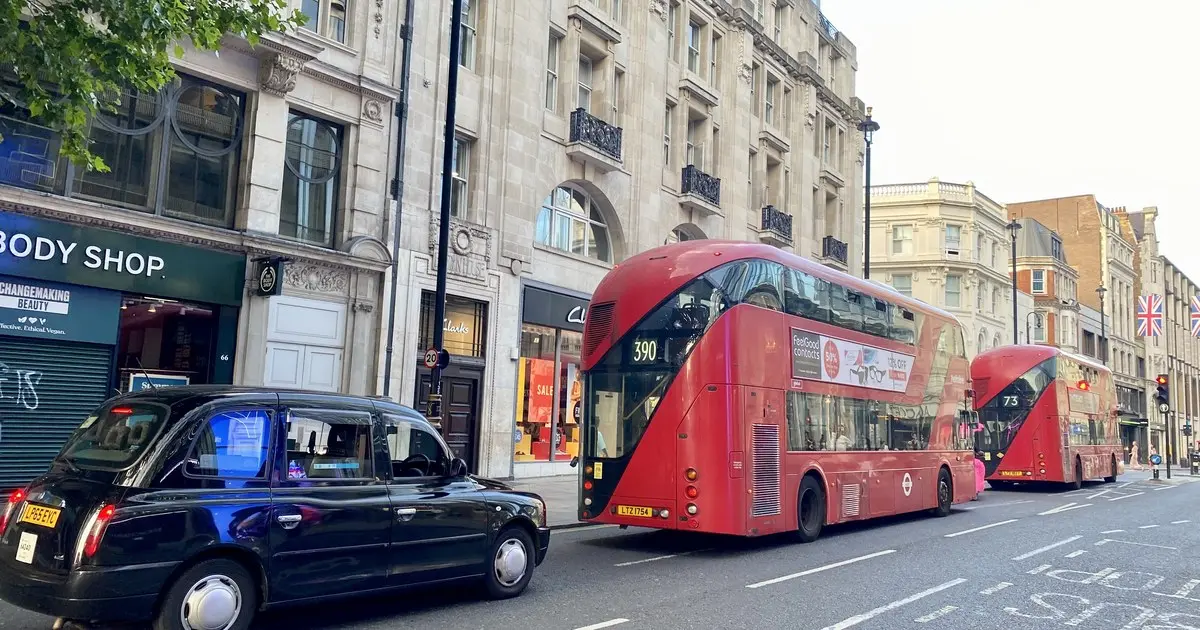
London bus passengers who travel twice a day, five days a week, are now paying £182 a year more than they did in 2016 — a decade of fare rises that culminated in the latest increase on Sunday.
The latest hike took effect on 1 November, raising the cost of a single bus journey to £1.85. TfL announced the increase alongside a 5.7 per cent average rise in bus and tram fares. The daily fare cap rose from £5.25 to £5.55, and a seven-day bus and tram pass now costs £26.10, up from £24.70.
The increase is the first since March 2023, when the fare rose to £1.75. It had initially been planned for earlier in 2026 but was postponed by eight months to help Londoners with the cost of living.
Against 2016, the rise is stark. An adult travelling on a London bus using Oyster or contactless payment paid £1.50 for a single journey in 2016; today that journey costs £1.85, a 23 per cent rise. The daily cap has risen from £4.50 to £5.55 over the same period, and the seven-day pass from £21.20 to £26.10.
The maths for a regular commuter is simple: two separately charged journeys a day, five days a week, cost £15 a week in 2016. At £1.85, the same ten journeys now cost £18.50 — £3.50 more a week, or £182 over 52 weeks.
The story is not one of uninterrupted rises. The fare freeze introduced by Mayor Sadiq Khan in 2016 kept prices steady until 2021, after which fares increased in 2021, 2022 and 2023, before being frozen again in 2024 and 2025.
There is mitigation for some passengers. TfL’s Hopper fare, introduced on 12 September 2016, allows unlimited bus and tram journeys within an hour for the price of one — so multiple journeys within an hour still cost £1.85. According to TfL, more than 1.43 billion Hopper journeys had been made across London by September 2026. Free and discounted travel schemes also remain available to eligible passengers.
TfL maintains that bus fares are still cheaper than they would have been if they had risen in line with inflation over the past decade. In July 2026, TfL stated that a single bus fare would have cost around £2.35 if it had increased in line with inflation since 2016 — though that comparison was calculated earlier in 2026 and is not a new inflation-adjusted figure for November.
City Hall has said the decision to delay the increase until November was intended to provide additional financial support for Londoners, particularly those on lower incomes. The increase followed separate changes to Tube and rail fares earlier in 2026, and was approved as part of TfL’s 2026 fares arrangements.
Related: King’s Cross East Coast Main Line closure on 28–29 November
Related: A13 East India Dock Road closure after crash
Update — the weekly cap and the one-day pass: A separate look at the same fare changes adds two figures regular passengers should know. The one-day Bus & Tram Pass has risen from £6.00 to £6.40, an increase of about 6.7 per cent. And while someone reaching the £5.55 daily cap five days a week would theoretically spend £27.75, TfL’s weekly cap of £26.10 means pay-as-you-go passengers travelling Monday to Sunday will not pay more than that for eligible bus and tram journeys — £1.40 a week more than the old £24.70 weekly cap, or £72.80 over a year if fares stay unchanged.
Tube and rail passengers are unaffected by this round: TfL confirmed that daily and weekly pay-as-you-go caps for the Tube, Elizabeth line, London Overground and DLR remain frozen until March 2027, despite increases to individual Tube and rail fares earlier this year. As an example, someone travelling between Zones 1 and 6 could spend up to £16.30 in a day before reaching the relevant adult pay-as-you-go cap. The exact prices from March 2027 have not yet been confirmed.