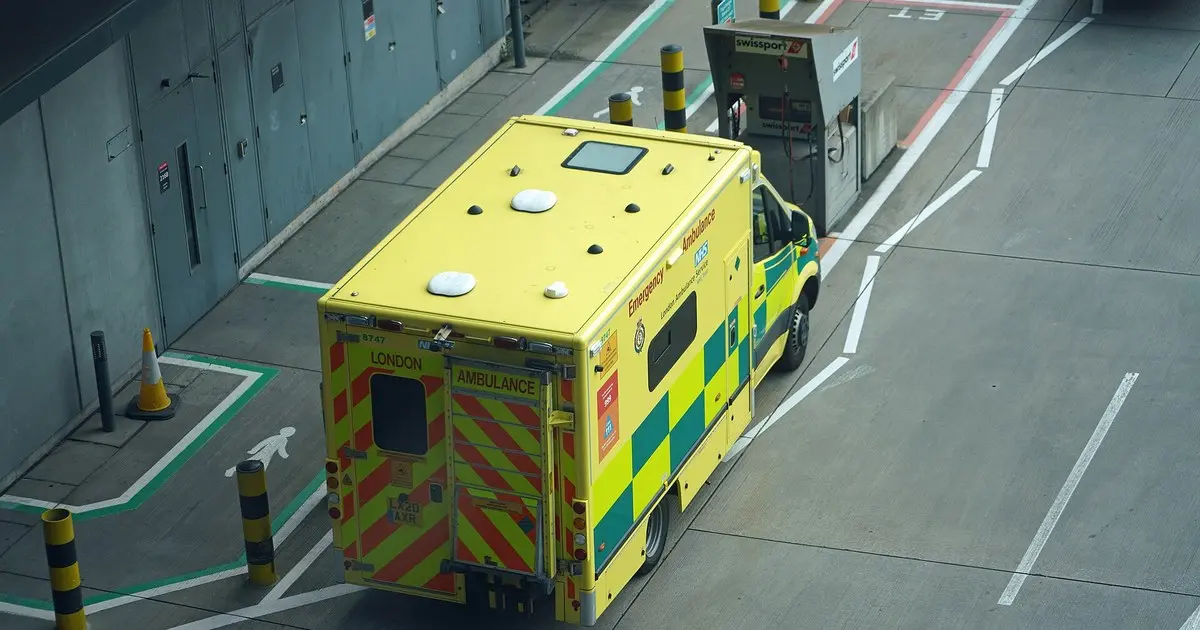
London Ambulance Service has laid bare the sexual abuse its 999 and 111 staff face from callers, revealing that employees reported 462 incidents of sexual abuse in the year to July 2026.
Around a third of those reports came from people working in the service’s 999 and 111 control rooms, and the trust believes the true figure is considerably higher because so many incidents go unreported.
To show the public what the people at the end of the line endure while trying to help patients, the service is publishing anonymised extracts from real calls — and asking callers to treat the person who answers with respect.
In one extract, a caller tells a 999 handler that he hopes to kiss her before describing a sexual act. In another, a caller continues to sexually harass a 111 health adviser even after being given a verbal warning.
Health adviser Abigail Oluwasanya said she was left shaken by an incident while she was simply trying to do her job.
“It shocked me. I was just trying to confirm the patient’s details when he started sexually harassing me over the phone. It feels like these types of callers just want to abuse us, which prevents genuine patients from receiving the help they need,” she said.
Colleague Maiara, also a 111 health adviser, said she hears sexual abuse down the line regularly, particularly on evening and night shifts.
“I hear sexual abuse over the phone quite often, especially during evening and night shifts. I once had a caller who appeared to be performing a sexual act during an assessment. I was shocked and reported the call to my supervisor. It turned out he had done the same thing to several other health advisers,” she said.
“The call kept playing on my mind – it left me needing therapy.”
999 call handler Monet Lobman-Edghill said the unpredictability of the work makes the abuse harder to absorb.
“You never know what the next call will bring and it can catch you off guard. We are human beings at the other end of the line, we are not robots, we are not AI. We are here to help, so please be kind to us,” she said.
Call handler Minnie Aidoo described a frequent caller who made inappropriate sexual noises whenever a woman answered the phone, but ended the call as soon as a man picked up.
“At first I questioned myself and wondered whether he was in pain. As the call continued, it became clear what he was doing. I was shocked that somebody would call 999 to behave like that,” she said.
Chief executive Jason Killens KAM said nobody should face that treatment while trying to work out whether someone needs urgent medical help.
“Our call handlers and health advisers come to work to help people, yet some are left shocked and distressed by the sexual harassment they face. Nobody should be subjected to that while trying to establish whether someone needs urgent medical help,” he said.
“These calls can stay with colleagues long after they end and take time away from patients who genuinely need help. Our message to callers is simple: we are here when you need help. Respect the person who answers. Sexual harassment and abuse are not part of the job and we will not accept it. We urge all of our people to report instances of abuse so we can offer support and investigate the incident, and will always work with police when an offence has been committed.”
The service’s Violence Reduction Unit examines every reported incident, tracks patterns and identifies repeat callers. It helps colleagues secure evidence and supports police investigations, and where a crime may have been committed the trust works with police and criminal justice partners to pursue action.
Sexual harassment over the phone is not treated as a workplace nuisance the staff simply have to absorb. Callers who make sexually explicit or threatening calls can be investigated and prosecuted, and the service’s dedicated unit exists precisely to make sure repeat offenders are spotted rather than dealt with as isolated one-off incidents.
The abuse also carries a direct cost for patients. Every minute a handler spends dealing with a caller who is abusing them is time taken away from someone who is genuinely ill or injured and waiting for help — a point Abigail raised in describing how the calls block real emergencies getting through.
Violence and abuse against emergency workers has been a growing concern across the capital. Paramedics have spoken about being attacked by the very people they were trying to help — as one London paramedic described after being assaulted by a patient she was treating — while assaults on London’s transport network have also risen sharply, with more than 5,500 incidents reported on the Tube.
The release follows a series of campaigns targeting harassment faced by women in public and on public transport, including calls for smart glasses to be banned from the Tube over fears of secret filming.
London Ambulance Service says its message to callers is straightforward: the person answering a 999 or 111 call is a human being trying to help. Abuse is not part of their job, and it will be reported.