


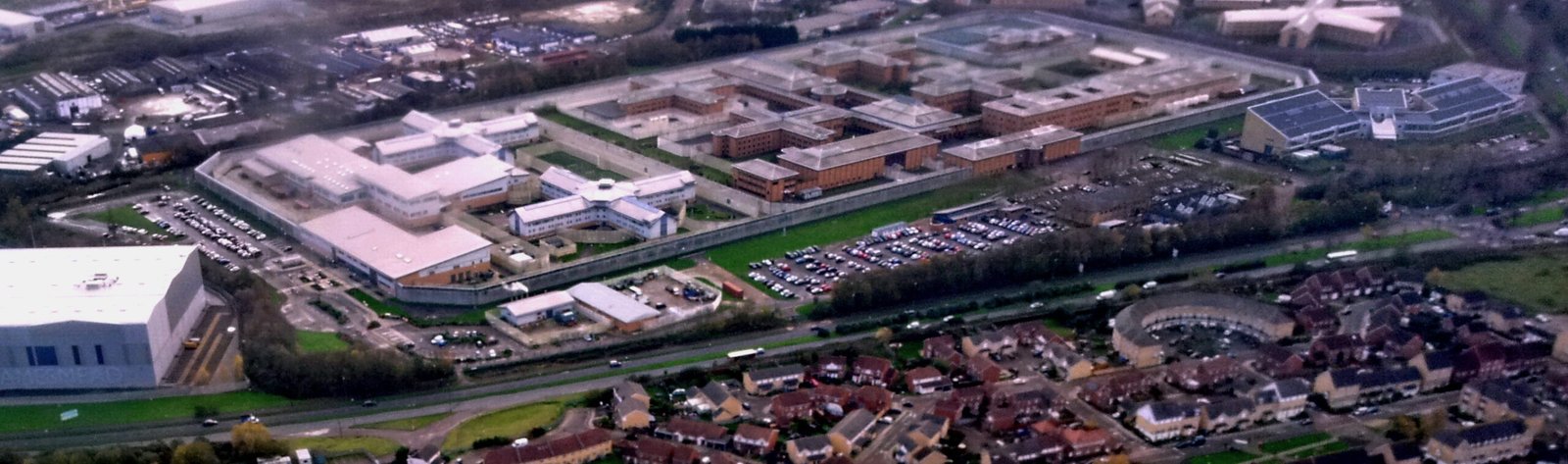
Jubilant scenes unfolded outside a south-east London prison this morning as newly released prisoners were greeted with cheers, applause and emotional embraces from waiting friends and family.
Inmates at HMP Isis in Thamesmead are among hundreds of offenders being freed today under a controversial Government early release programme designed to ease chronic overcrowding in the prison system.
Around 700 eligible offenders are expected to walk out of jails across England and Wales today, October 1, with a further 2,550 due to be released before the end of the year.
Friends and family gathered outside the Category C prison this morning to welcome inmates as they stepped through the gates with their belongings.
One man carrying a black duffel bag and a white plastic bag emerged shortly before 9.40am to cheers from around 10 friends who had come to meet him. The group declined to speak to reporters.
Another former inmate, wearing a white T-shirt and carrying a black rucksack, said he could not stop to talk because he had “kids to get back to”.
A woman who said she had been waiting outside since 7am embraced her boyfriend as he left the prison. She described his offence as “nothing too serious”, although neither would confirm whether he was among those released under the early release scheme.
By 9.45am, four prisoners had left HMP Isis, with more families and friends still waiting outside for their loved ones to be freed.
Why are prisoners being released early?
The release programme is the Government’s latest attempt to tackle a prison overcrowding crisis that has left jails across England and Wales operating at or near full capacity.
Ministers insist the step is necessary to create space in an overstretched system and keep it functioning, arguing that prisons cannot keep absorbing new inmates from the courts without action.
Under the scheme, eligible offenders are being freed after serving a reduced proportion of their sentences, with some walking out after serving around a third of the term handed down by the courts.
The programme excludes the most serious offenders, but it does cover some people convicted of domestic abuse and sexual offences — a detail that has fuelled much of the public and political criticism.
Critics have warned of the risks to public safety and questioned whether probation teams and community support services are properly prepared for a sudden increase in the number of offenders returning to the community.
Those released will typically remain under licence, supervised by the probation service and subject to conditions that can include curfews, exclusion zones and regular check-ins. Breaching those conditions can mean being recalled straight back to prison.
HMP Isis and the Thamesmead prison estate
HMP Isis is a Category C training prison on the Belmarsh prison estate in Thamesmead, where it sits alongside HMP Belmarsh, one of the country’s best-known high-security jails.
The prison opened in 2010 and holds young adult men, with an operational capacity of just over 600. Its Category C status means it houses prisoners who cannot be trusted in open conditions but are assessed as unlikely to try to escape.
It is one of three prisons on the Thamesmead site, alongside Belmarsh and HMP Thameside, making the area one of the largest concentrations of prison places anywhere in London.
For many families in the area the prison gates are a familiar sight — but today they became a place of celebration, with hugs, handshakes and cheers greeting each newly freed inmate.
Further releases are expected to continue through the rest of the year as the Government works through the thousands of offenders eligible under the scheme, meaning today’s scenes in Thamesmead are likely to be repeated at prison gates across the country.