


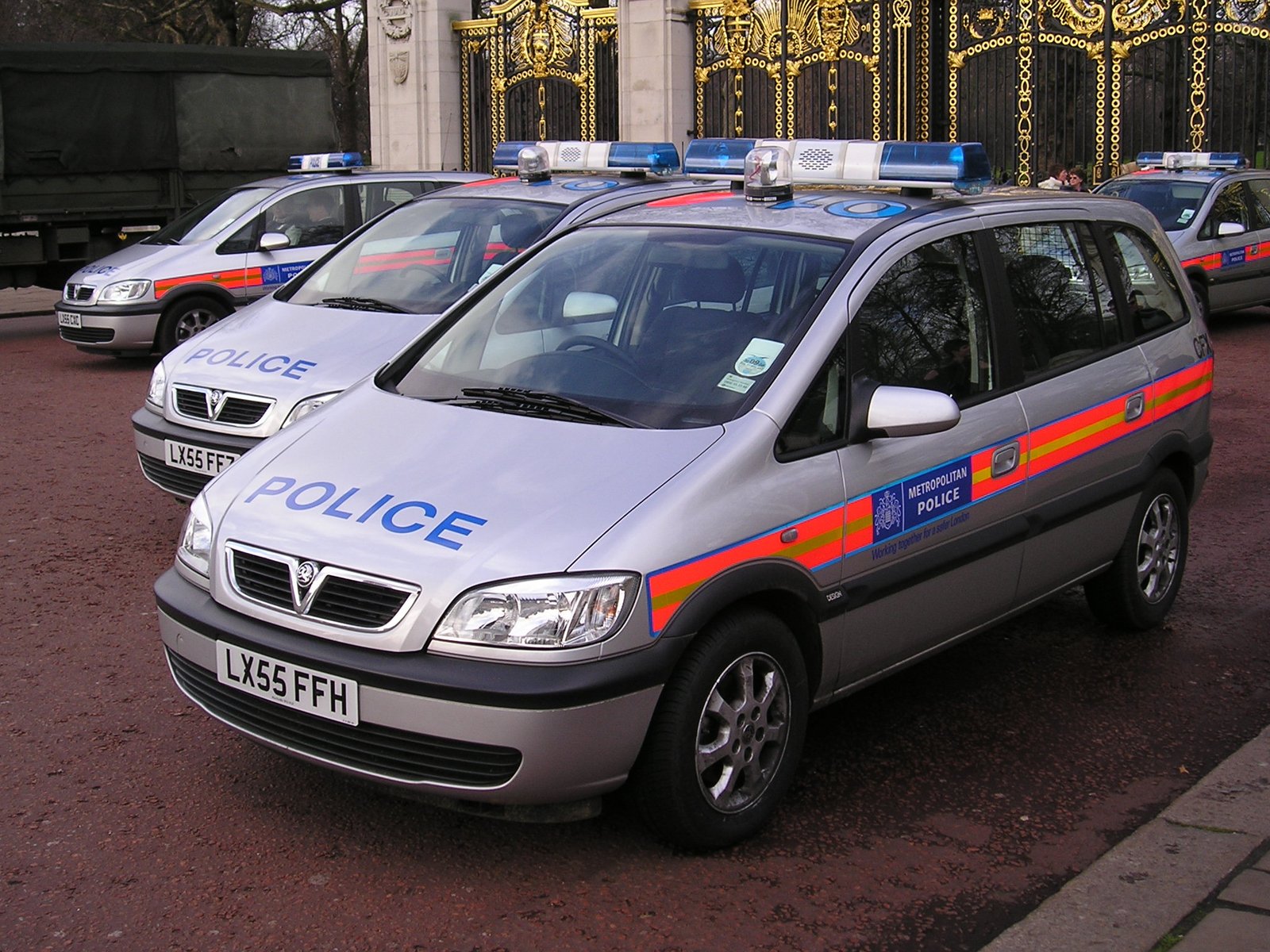
Two men have been charged after a firearm was allegedly recovered from a car following a police pursuit that ended in a crash on a residential street in Feltham.
The pursuit began on the M25 near Cobham shortly after 12.20pm on Saturday, September 26, when Surrey Police officers attempted to stop a vehicle after receiving information from the Metropolitan Police.
Police say the car failed to stop, and armed officers from the Met joined the pursuit as it headed towards west London.
Around 18 minutes later, at about 12.38pm, the vehicle allegedly collided with two other cars on Snakey Lane in Feltham. The occupants are said to have made off on foot.
A Metropolitan Police spokesperson said: “Armed officers from the Met Police joined the pursuit. The vehicle collided with two other vehicles in Snakey Lane, Feltham at around 12:38hrs and the occupants made off on foot. A firearm was recovered from the vehicle.”
Two men, aged 27 and 28, were arrested at the scene. Both were taken to hospital as a precaution before being taken into custody.
They were charged on Sunday, September 27.
Abdur Saheb, 28, of Norman Road, Colliers Wood, was charged with possession of a firearm with intent to endanger life and dangerous driving.
Trinity Britton-Paul, 27, of Coteford Street, Wandsworth, was also charged with possession of a firearm with intent to endanger life, along with possession of a knife.
Both men were remanded in custody to appear at Ealing Magistrates’ Court on Monday, September 28. Following that appearance, they were further remanded in custody to appear at Isleworth Crown Court on October 26.
Everyone charged with a criminal offence is presumed innocent unless and until proven guilty in a court of law. The allegations against the two men remain unproven.
How police pursuits are handled
The decision to pursue a vehicle that fails to stop is one of the most finely balanced calls officers make. In the UK, pursuits are governed by national authorised professional practice, and every pursuit must be continually risk-assessed, both by the officers involved and by a pursuit commander monitoring the incident over the radio.
Armed response units typically become involved only where intelligence points to a possible firearms threat. Pursuit-trained drivers can draw on a range of tactics, from following at a safe distance to gather evidence, to tactical contact such as “boxing in” a suspect vehicle with several police cars, or deploying a stinger device to deflate its tyres.
Crucially, pursuits can be called off. If the risk to the public, to officers or to the occupants of the pursued vehicle is judged to outweigh the need for an immediate arrest, commanders will order officers to stand down and look to trace the suspects later. Every pursuit in London is recorded and subject to review afterwards, with the most serious incidents capable of being referred to the police watchdog.
What happens after someone is charged
Being charged is the point at which a case formally moves from police investigation towards the courts. In serious cases the Crown Prosecution Service advises on the appropriate charges before a suspect is formally accused.
The accused must then appear before magistrates — in this case at Ealing Magistrates’ Court. At that first hearing the court considers whether to grant bail or remand the defendants in custody. Where firearms allegations are involved, remand in custody is common, and both men were remanded.
Possession of a firearm with intent to endanger life is an indictable-only offence, meaning it can only be tried in the Crown Court. The magistrates therefore send the case on, and the next milestone is typically a plea and trial preparation hearing — listed here at Isleworth Crown Court on October 26 — where the defendants will be asked to enter pleas.
Among the most serious weapons charges
Possession of a firearm with intent to endanger life, an offence under the Firearms Act 1968, sits at the very top end of weapons offending. It carries a maximum sentence of life imprisonment and can only be dealt with by a judge and jury.
The charge does not require the weapon to have been fired. Prosecutors must show that the accused had the firearm in their possession and intended to use it to endanger life, or to enable someone else to do so — reflecting the gravity with which the law treats an alleged intent to put lives at risk.
Feltham and the surrounding area have seen a number of serious cases reach the courts in recent months. Human remains discovered in Feltham woodland were identified as missing mother-of-three Joanne Sheen, while three men were jailed for life over the brutal Hanworth Park murder of teenager Tyler Donnelly. The capital has also seen a string of firearms investigations, including charges over a fatal shooting in Newham.