


Six restaurants and cafes across Dartford have been handed some of the lowest food hygiene ratings in the area, new inspection data shows — with three venues told “major improvement” is necessary.
The scores come from the Food Standards Agency’s hygiene rating scheme, which grades every food business from zero to five after an inspection. Three Dartford-area venues scored just one out of five, while three more managed only two.
Here is the full list, based on inspections carried out in Dartford this year.
The one-star venues: “major improvement necessary”
Coffee Goat, 3 Station Approach, Dartford — inspected March 11. The cafe was told major improvement was necessary overall and in its management of food safety, while hygienic food handling and the cleanliness of the building were both rated “improvement necessary”. Overall: one out of five.
Royal Tandoori, 52 London Road, Stone — inspected July 8. The restaurant received the same serious verdict: major improvement necessary overall and for food safety management, with handling and cleanliness both needing improvement. Overall: one out of five.
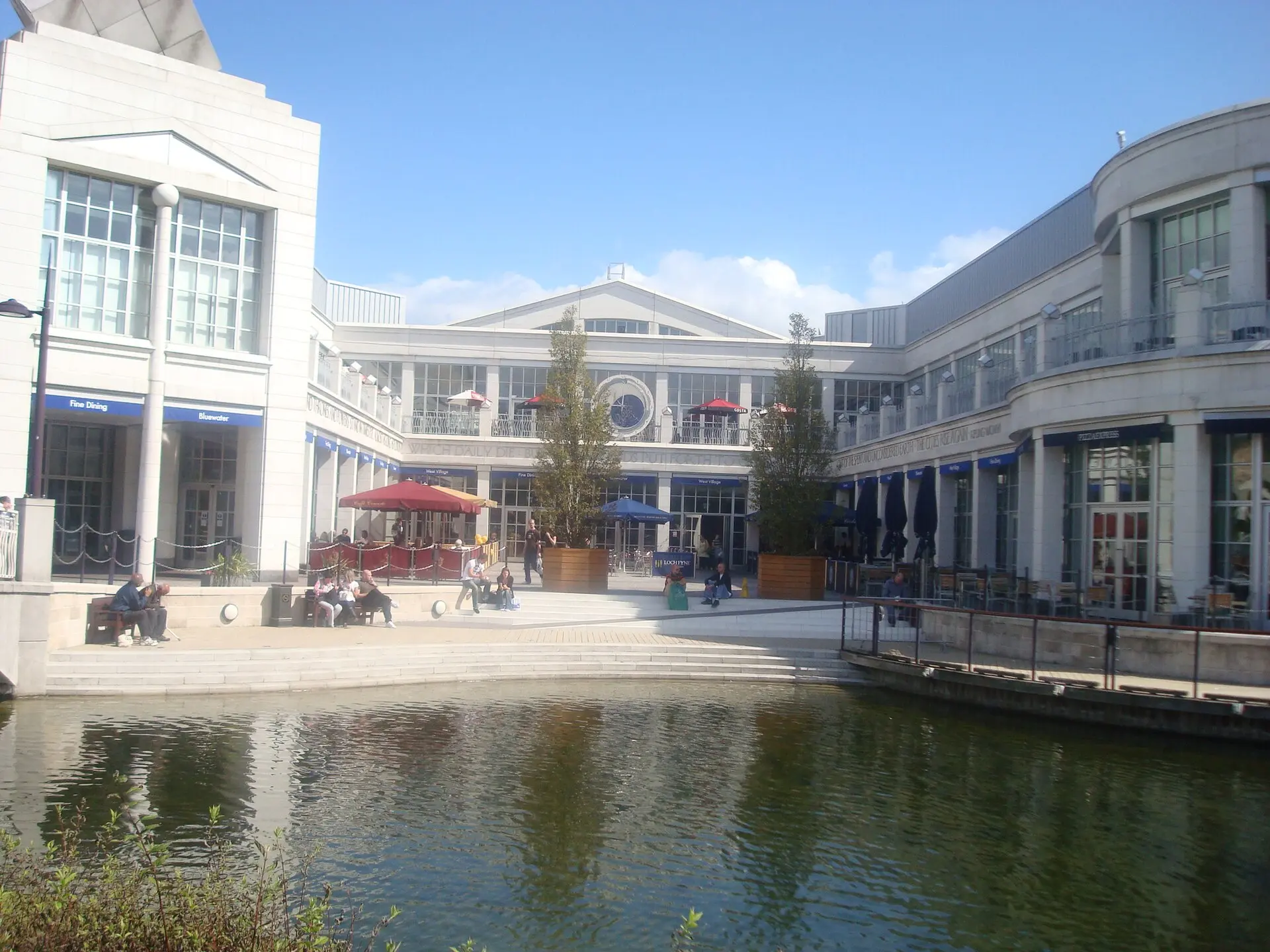
Tapas Revolution, Unit SVU06, Plaza-Upper, Bluewater, Greenhithe — inspected July 20. The Spanish chain’s Bluewater branch was told major improvement was necessary overall and for food safety management, though its hygienic food handling was rated “very good” — the building’s cleanliness let it down. Overall: one out of five.
The two-star venues: “improvement necessary”
Bite & Brew Co, World Flavours, Kiosk 3, Priory Centre, Dartford — inspected July 1. Food handling was rated improvement necessary, while cleanliness and food safety management were “generally satisfactory”. Overall: two out of five.
Munch Kitchen, 33 Chastilian Road, Dartford — inspected April 2. Overall: two out of five.
The Churchyard Tea Room, Holy Trinity Church Hall, High Street, Dartford — inspected January 6. Hygienic food handling needed improvement, though the building’s cleanliness was rated “good” and food safety management “generally satisfactory”. Overall: two out of five.
Key facts: how the ratings work
5 — very good. The top score, and what most places aim for.
4 — good. Minor issues only.
3 — generally satisfactory. Acceptable, but room to improve.
2 — improvement necessary. Problems that need fixing.
1 — major improvement necessary. Serious issues found.
0 — urgent improvement required. The worst possible score.
Inspectors judge three things: how hygienically food is handled, the physical condition of the building, and how the business manages food safety. The sticker in the window — or the listing online — reflects the standards found on the day of the visit.
How to check any venue yourself
You don’t have to take anyone’s word for it. Every rating is published on the Food Standards Agency’s website, where you can search by business name or postcode and see the full breakdown — including when the inspection happened and what each of the three areas scored.
It’s worth a quick check before booking somewhere new, especially as London enjoys an unseasonably warm spell and more of us are eating out. The FSA also stresses that a rating is a snapshot: businesses can improve and be re-inspected, so a low score today doesn’t have to be the final word.
What happens after a low rating?
A poor score isn’t necessarily the end of the story. Businesses can ask their local council for a re-inspection once they’ve fixed the problems — though in most areas they have to pay for the revisit. Many venues bounce back quickly: a deep clean, retrained staff and better paperwork can turn a one into a four or five within months.
Councils also have enforcement powers for the worst cases, from formal warnings to closing a business down if there’s an immediate risk to public health. The ratings are designed to be a nudge as much as a punishment — the sticker in the window gives customers the information, and the market does the rest. And it’s not only poor hygiene that can finish off a favourite spot: even the biggest names are seeing high-street food outlets facing closure, with Greggs shutting its Clapham High Street branch.
If a place you love isn’t displaying its sticker, you can ask to see it — businesses in England are encouraged, though not legally required, to show their rating. In Wales and Northern Ireland, displaying it is the law.