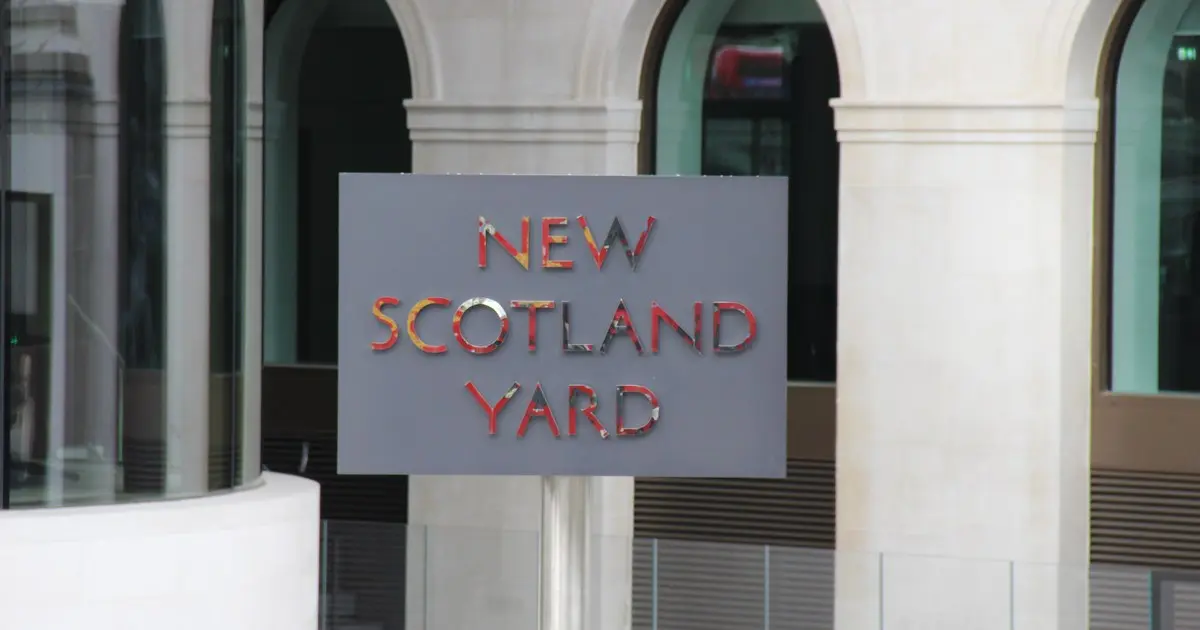
Londoners are being asked to help shape the future of policing in the capital, as the Metropolitan Police launches a public consultation on the new Met Inclusion Strategy.
The strategy is designed to help tackle crime, better protect victims and strengthen trust and confidence across London’s communities.
Three years of reform
According to the Metropolitan Police, the force has taken significant steps over the past three years to raise standards, improve accountability and strengthen trust with Londoners.
It has removed hundreds of officers and staff who fell below the standards the public expect, strengthened vetting and misconduct systems, and worked with communities to improve the scrutiny and use of police powers such as stop and search.
The Met has also increased efforts to attract talent from every corner of London. Last year saw the most representative intake of recruits in the organisation’s history, with more women and more Londoners from ethnic minority backgrounds joining.
The numbers
The strategy builds on work already delivered through the London Race Action Plan and New Met for London. Since 2022, the proportion of stop and search encounters assessed as having reasonable grounds has risen from 75.9 per cent to more than 94 per cent.
The number of intimate searches has fallen from 2,437 to 850.
The Met has also made progress in creating a more representative pipeline of future leaders, with increasing numbers of women and officers from ethnic minority backgrounds progressing through promotion processes and into leadership roles.
What the strategy covers
The strategy takes a broader approach to understanding how different communities experience crime, victimisation and policing.
It sets out measures to improve support for victims, strengthen the response to hate crime, improve understanding of vulnerability and ensure police powers are used fairly and proportionately.
By better understanding the barriers that can prevent people reporting offences, seeking support or engaging with investigations, the Met aims to increase reporting, identify hidden harm earlier and bring more offenders to justice.
Commissioner’s message
Commissioner Sir Mark Rowley called on Londoners from every part of the capital to help shape the commitments that will guide policing in one of the world’s most diverse cities.
Sir Mark said: “Policing in Britain is built on consent. We can only keep London safe if we have the trust and confidence of the communities we serve.”
“London is one of the most diverse cities in the world, and that diversity is one of its greatest strengths. Over the past three years we have worked hard to improve standards, strengthen accountability and rebuild trust.”
“Some people will argue this work isn’t necessary. Others will dismiss it. They are wrong. This is not about ideology, public debate, or culture wars. It is about effective policing. Inclusion is an operational necessity.”
“When victims feel understood and treated fairly, they are more likely to come forward. When communities trust us, they are more likely to report crime, share information and support investigations.”
Mayor’s backing
The Mayor of London, Sadiq Khan, welcomed the strategy.
He said: “London’s communities are the eyes and ears of our city, and their relationship with the police is fundamental to policing by consent. Strong partnerships between communities and officers are key to reducing violence, cutting crime and keeping London safe.”
“I welcome the Met’s new Inclusion Strategy. Rebuilding trust means listening to communities, confronting racism and disproportionality, and taking practical action to ensure every Londoner is treated with fairness, dignity and respect.”
Why this matters
At its heart is a simple principle: policing is most effective when communities trust the police. When people have confidence in the Met they are more likely to report crime, share intelligence, support investigations and help bring offenders to justice.
When confidence is lower, victims can be less likely to come forward and opportunities to prevent harm can be missed.
The consultation is a recognition that the Met cannot rebuild trust alone. It needs Londoners to tell it where policing is working well, where improvements are needed, and whether the proposed commitments will make a meaningful difference.
How to take part
The Met is asking Londoners where policing is working well, where further improvements are needed and whether the commitments in the draft strategy will make a meaningful difference to their experience of policing.
Feedback will help shape the final Inclusion Strategy and influence how the Met tackles crime, supports victims and builds trust across London in the years ahead.
The consultation is open until Thursday, 26 November and can be accessed at met.police.uk/inclusion-strategy.
London Streets has been covering the Palantir settlement with the Mayor’s office and the early-morning robbery in Croydon.