


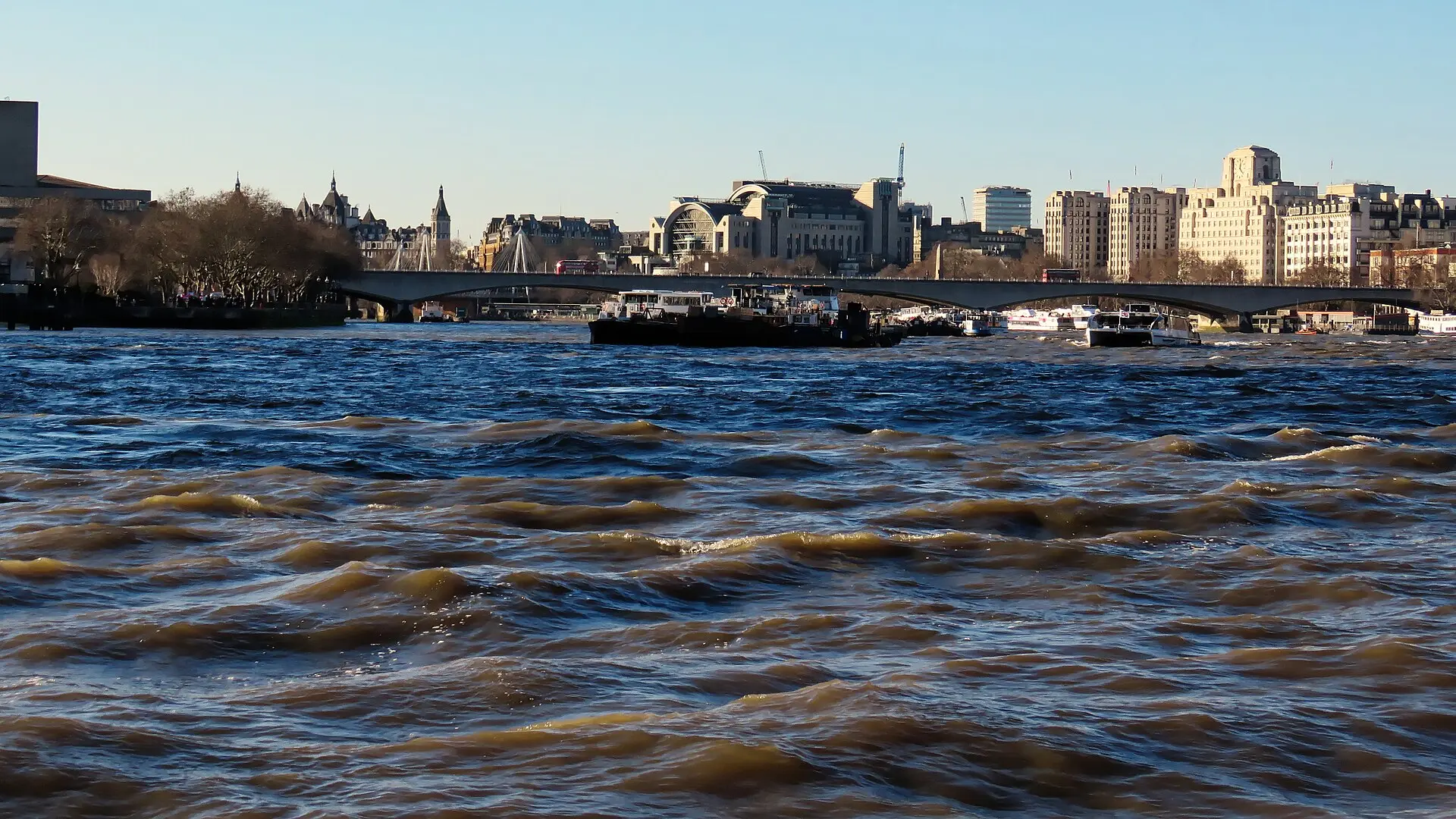
One of central London’s busiest Thames crossings could be forced to close within three years unless urgent repairs are carried out, after an inspection uncovered water damage and cracks up to 2 millimetres wide in the bridge’s concrete structure.
Waterloo Bridge, which links the South Bank with the Strand and Covent Garden, is the latest of the capital’s river crossings to raise serious engineering concerns. Westminster City Council has revealed the scale of the problem in a funding-bid document, in which it is seeking £6 million from the UK government to pay for the repairs.
If the money is not secured and the work not completed by the end of the 2029-30 financial year, the council warns the bridge could face weight restrictions or be shut altogether.
What the inspection found
The inspection found water ingress and cracking throughout the bridge’s concrete framework, with some cracks measuring as wide as 2mm. Left untreated, water damage of this kind allows the internal steel reinforcement to corrode, progressively weakening the structure.
The current Waterloo Bridge was built in the 1940s, and it now carries more than 25,000 vehicles a day alongside thousands of pedestrians and cyclists. It was not designed for the weight and volume of modern traffic, and decades of heavy use have taken their toll.
Westminster’s funding bid sets out the stark choice: find £6 million for repairs now, or face far more disruptive — and expensive — consequences within a few years.
Key facts: Waterloo Bridge at risk
The problem: water damage and cracks up to 2mm wide found in the concrete structure.
The deadline: repairs needed by the end of the 2029-30 financial year.
The cost: Westminster City Council is seeking £6 million from the government.
The risk: weight restrictions or full closure within three to four years if nothing is done.
The bridge: built in the 1940s, carrying 25,000+ vehicles a day between the South Bank and the Strand.
What happens if Waterloo Bridge closes
A closure would be felt far beyond the bridge itself. Waterloo is one of the most useful crossings in central London: cars, buses, taxis and bikes use it every day, and it is a key walking route between the South Bank’s cultural quarter and Covent Garden.
Shutting it would push traffic onto neighbouring bridges and roads that are already under strain. Blackfriars and Westminster Bridges would absorb much of the displaced traffic, adding pressure to junctions and bus routes across central London at a time when roadworks are already disrupting routes elsewhere in the capital.
For now, there is no need to change your journey: the bridge remains open as usual, and no restrictions are in force. The warning is about what happens if the repairs are not funded and completed in time.
London’s bridges are struggling
Waterloo is not an isolated case. The capital’s Thames crossings are having a collective wobble. Hammersmith Bridge has been closed to motor vehicles since 2019, Albert Bridge faced new restrictions earlier this year, and weight limits have been imposed on Vauxhall Bridge.
The pattern is the same each time: ageing structures, built for a different era of traffic, deteriorating faster than the money to fix them can be found. Each closure or restriction pushes more vehicles onto the remaining crossings, accelerating their wear in turn.
Transport planners have warned for years that London’s river crossings need a long-term funding settlement rather than emergency repairs. The Waterloo Bridge funding bid is the latest test of whether that money will materialise — and with a three-year clock now ticking, the consequences of inaction are spelled out in the council’s own documents.
Drivers planning routes across the river should keep an eye on this week’s planned road closures, as any future restrictions on central London bridges would compound the disruption.