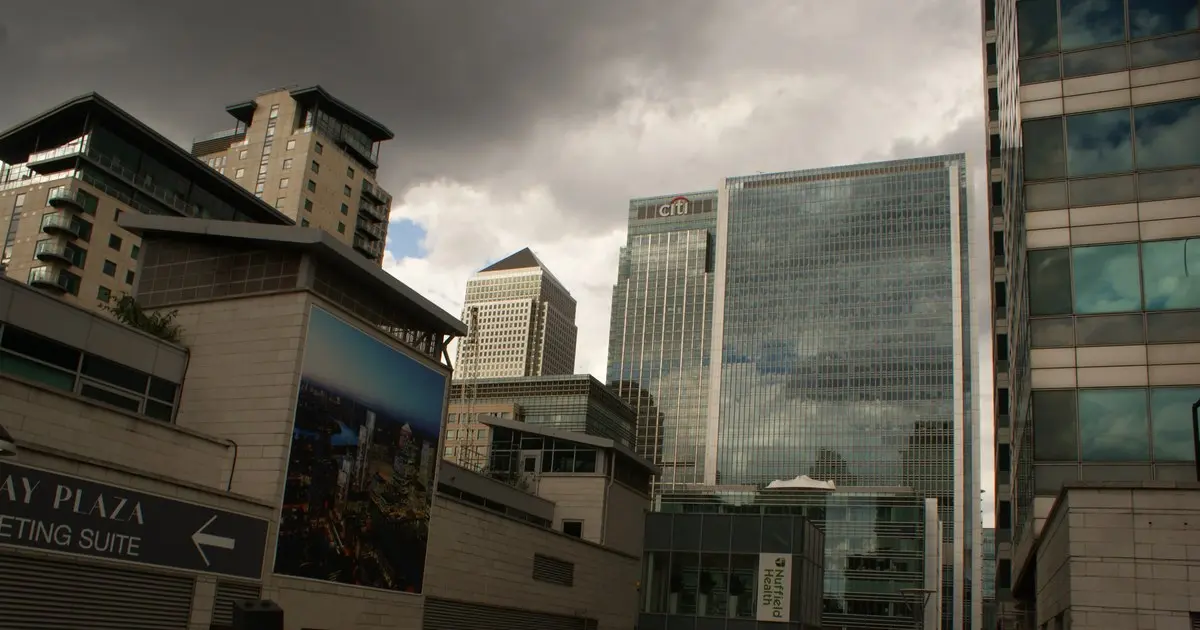
Tower Hamlets Council is buying four office blocks on Marsh Wall in Canary Wharf and converting them into around 180 temporary homes for local families, in one of the boldest attempts yet by a London borough to cut its spiralling bill for nightly-paid accommodation.
The scheme, announced on Thursday, will deliver 167 two-bedroom and 13 three-bedroom homes aimed squarely at families on the borough’s homelessness and housing waiting lists. The council said the conversions would give it a supply of good-quality temporary housing inside the borough, ending the practice of placing many families miles from their schools, workplaces and support networks.
It is a direct answer to a crisis that has been getting worse year on year. More than 3,100 households in Tower Hamlets are currently in temporary accommodation, including around 2,700 families with children, while homelessness in the borough is rising at about 11 per cent a year. Council papers discussed late last year put the figure as high as 3,250 households, with the borough regularly overspending its temporary accommodation budget by millions.
Lutfur Rahman, the executive mayor of Tower Hamlets, said: “Every family deserves a safe and secure place to live close to their communities, schools and support networks. By bringing these buildings into council use, we have an opportunity to create around 180 family-sized homes and provide better accommodation for local people who need it most.”
“This investment will help us reduce our reliance on costly nightly paid accommodation and more importantly will help more families remain in Tower Hamlets and close to their support networks.”
A warning shot in the war on B&B costs
For councils across London, temporary accommodation has become one of the most punishing lines in the budget. Boroughs are increasingly placing homeless families in hotels, hostels and nightly lets at enormous cost — often outside the borough, sometimes outside London altogether. Tower Hamlets is now betting that buying and converting existing buildings is cheaper in the long run than paying nightly rates indefinitely.
Cllr Abu Talha Chowdhury, the council’s cabinet member for finance, assets and governance, said: “Councils across London are facing unprecedented pressures from rising homelessness and temporary accommodation costs. This proposal will allow us to make strategic use of existing buildings to provide good-quality homes for families, deliver better value for residents and strengthen the council’s long-term housing response.”
“Keeping homeless families in Tower Hamlets means children are close to their schools and friends, and residents are close to their workplaces, healthcare and family networks. You can’t put a price on the wider social, educational and health benefits of keeping people in their communities.”
The squeeze on borough budgets that Mr Chowdhury describes has pushed four London councils to submit their own proposals under the government’s Fair Funding review, warning of gaps running into the tens of millions a year. And the pressure is not only financial: councils across the capital have warned that worsening viability is holding back new housebuilding, making acquisitions and conversions an increasingly important part of the housing response.
Marsh Wall: offices becoming homes
The choice of Marsh Wall is telling. The street, which runs along the southern edge of the Isle of Dogs opposite the South Quay DLR station, has been steadily shifting from offices to homes for a decade. The council’s own planning records show Meridian Gate at 199-207 Marsh Wall was redeveloped from offices into 423 residential apartments, and developers have submitted plans for a 54-storey tower at 77 Marsh Wall including 195 build-to-rent flats, 121 affordable homes and co-living rooms.
The council’s move is part of that trend, but with a different purpose: the converted blocks are destined for temporary accommodation rather than private sale or permanent social rent. That distinction matters. Families placed there will be homeless households the council has a legal duty to house, not council tenants — though the homes will be far larger and more stable than the hotel rooms and nightly lets many are currently stuck in.
It is not the first time Tower Hamlets has turned to unconventional conversions to ease housing pressure. The council has previously developed disused community buildings and a former older persons’ block for short-term use as temporary accommodation, and cabinet papers have recorded its strategy of buying back leaseholder properties and purchasing homes outright to build its own temporary accommodation stock.
What happens next
The council has described the acquisition as an important step in its wider strategy to increase housing provision and improve outcomes for residents facing housing insecurity. It has not said what the four blocks will cost, when the conversions will be completed, or which families will be first to move in — details that will likely emerge when the deal goes through the council’s decision-making process.
For now, the announcement marks a significant shift in tactics. Rather than waiting for new homes to be built in a market where planning battles over affordable housing quotas are being fought borough by borough, Tower Hamlets is taking existing buildings and bending them to the borough’s most urgent need: keeping its families housed, and housed close to home.