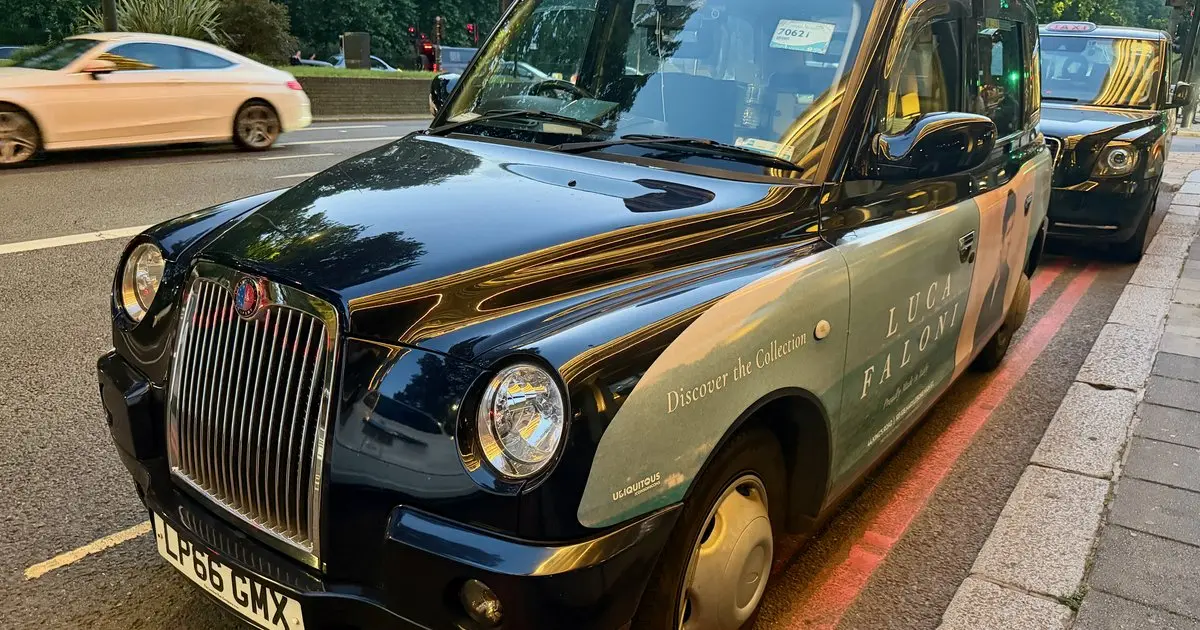
London cab drivers have warned that a Transport for London proposal to stop taxi meters running until passengers are in the cab could leave waiting time unpaid.
The Licensed Taxi Drivers’ Association (LTDA) says the plan, part of TfL’s taxi fares review for 2026, would shift the cost of dispatch time onto drivers or customers.
Steve McNamara, the LTDA’s general secretary, described the proposal as “incredulous” and urged drivers to respond to TfL’s fares consultation before it closes on Sunday 22 November.
“This year, it is more important than ever that as many drivers as possible take just a few minutes to respond to it, especially regarding the incredulous proposal to prevent drivers starting the meter when arriving at an app or radio booking or when hailed by a hotel doorperson,” he said.
Under the proposal, for booked taxi journeys the taximeter must only be started once the passenger is safely in the taxi and any mobility aids are safely loaded and secured, although drivers would be able to start it later than this if they wanted to.
The meter would also have to be stopped once the taxi has arrived at the passenger’s destination and the passenger is ready to pay, but before passengers have got out of the vehicle.
The rules would apply to all booked journeys, regardless of how the booking was made — by app, telephone, mobile phone, online or in person.
TfL says it is aware that some drivers start the taximeter when they accept a job in an app and then leave it running while they travel to the passenger’s pick-up location. Under the proposed changes, drivers would not be able to have the meter running while they drive to pick a passenger up, and waiting time could not be charged by drivers.
Anthony Street, an LTDA executive, wrote in TAXI Newspaper that TfL is proposing the meter “should not start until the passenger is safely inside the taxi and any mobility aids have been loaded and secured”. He said a driver could arrive on time and then wait while the passenger gets ready, without receiving a fare for that period.
Mr McNamara argued that the time and resources involved in handling bookings need to be paid for. He said radio circuits had previously introduced a £2 booking fee after arguing that someone had to cover the staff, equipment and airtime needed to accept and dispatch a cab, and that some circuits had run-ins of up to £4.80 to encourage drivers to take account work rather than street-hail fares.
He said the booking fee had been accepted as part of the tariff for at least 35 years, before TfL was even established, and criticised the consultation’s apparent suggestion that it be removed.
TfL is also proposing to remove the booked taxi extra of up to £2, which can currently be added when a taxi is booked by phone, app or online. The authority says it is aware of circumstances where passengers are charged the extra twice, because both the booking company and the driver add it to the fare.
The wider review sets out four options for fares from next year, based on a 7.07 per cent rise in TfL’s Cost Index, which combines taxi operating costs and average national earnings. Option A would keep the £4.40 minimum fare and raise average Tariffs 1, 2 and 3 by 7.07 per cent; Option B would raise the minimum to £4.60 with a 5.97 per cent rise; Option C would raise it to £4.80 with a 4.87 per cent rise; and Option D would leave the minimum fare and all tariff rates unchanged.
TfL is also proposing that for longer journeys, the tariff should switch to the cheaper Tariff 1 rates once a journey reaches 12 miles, and that the permitted airport drop-off extra should rise to £6.80 at Heathrow and London City airports.
TfL says it does not have the legal powers to regulate taxi booking companies, and the changes would not prevent companies from charging fees for waiting time or cancellations — but those charges could not be passed to the driver and could not be added to the taximeter.
No decision has yet been made. TfL will analyse responses after the consultation closes, publish a report and confirm its next steps, with annual fare changes normally introduced in April.
London’s black cab fares were already under review when TfL opened the consultation last month, with fares potentially rising by up to 7 per cent. The trade’s response has been mixed — while drivers welcomed recognition of rising costs, the meter proposals have drawn the sharpest criticism.
It has been a mixed month for the capital’s cabbies in other ways, too: a London cabbie who returned £10,000 left in his taxi was named a hero earlier this month.