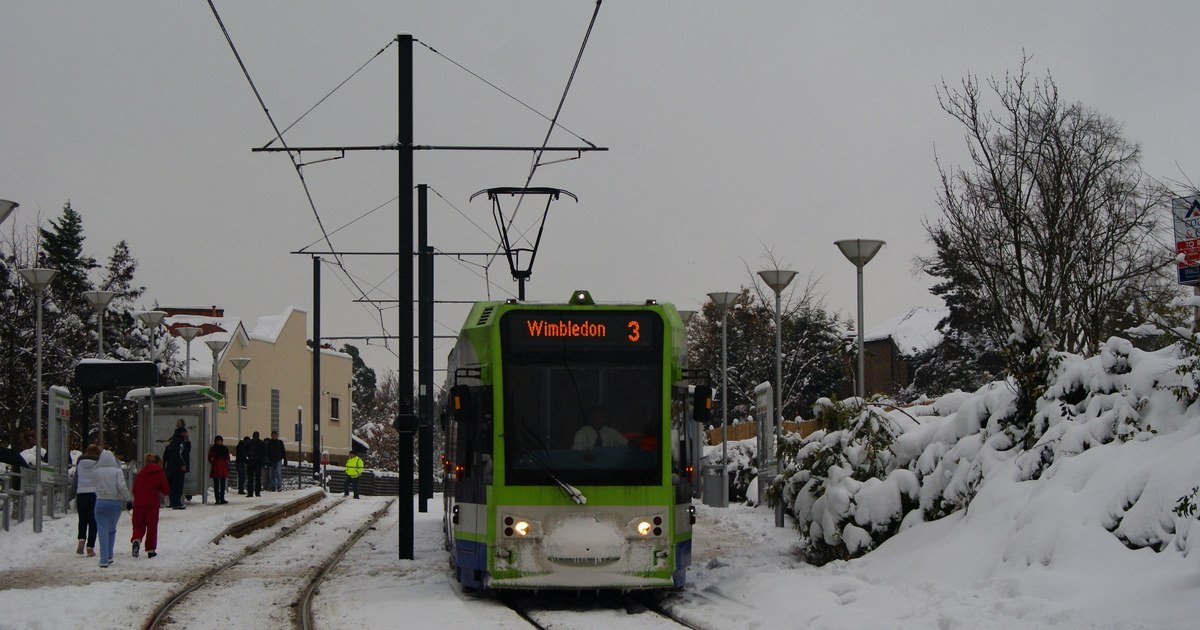
Transport for London has not learned the lessons of the 2016 Croydon tram crash, its former safety panel chair has claimed, arguing that the same lack of transparency exposed after the disaster is now undermining its pledge to eliminate bus deaths by 2030.
Michael Liebreich, who served on the TfL board from 2012 to 2018 and chaired its safety panel, was tasked with overseeing the investigations into the Sandilands derailment. He said the authority’s failure to reduce fatal collisions on London’s bus network showed the culture that followed the crash had not changed.
Monday, 9 November marked the tenth anniversary of the derailment, in which seven passengers were killed and 62 others were injured after the tram driver suffered a suspected episode of microsleeping and failed to slow from 50mph to 12mph on a sharp bend near Sandilands tunnel.
Liebreich said he was never told about a crucial fatigue management audit carried out after the crash, an omission he described as a “feeble cover up” that would have materially assisted his oversight work.
“You cannot cancel an audit. Management were under investigation for potential gross corporate manslaughter. This never happens anywhere, that’s the whole point of an audit.”
He also pointed to gaps in who was called to give evidence about how the tram system was designed and run.
“They built the system together, but were never even called to give evidence.”
Liebreich had previously raised concerns at City Hall about senior-level complacency, and about why a 2017 TfL audit into tram driver fatigue was not immediately passed to the government’s Rail Accident Investigation Branch.
The renewed criticism comes after agenda papers presented to TfL’s safety panel in September showed transport bosses had quietly accepted that the Mayor of London’s pledge to end bus deaths by 2030 was impossible to achieve. The wider target for ending all deaths on public transport has been pushed back to 2041.
Five separate bus safety plans and strategies have been launched since 2016 under the Mayor’s Vision Zero programme, yet fatalities involving London buses have not fallen at the rate required to meet the 2030 deadline.
Liebreich argues that the same systemic opacity around driver fatigue, working conditions and accountability seen after Croydon continues to hold back progress on bus safety.
TfL rejected the suggestion that it had failed to absorb the lessons of the disaster, pointing to structural reforms introduced with national rail regulators over the past decade. A spokesperson said the authority worked closely with the Rail Accident Investigation Branch to introduce a new safety regime after the derailment.
“We remain committed to supporting those affected and to doing everything possible to ensure a tragedy like this can never happen again.”
On the morning of 9 November 2016, a two-carriage Bombardier CR4000 tram operating on the Tramlink network derailed and overturned on a sharp curve approaching the Sandilands junction in Croydon. Seven passengers — Dane Chinnery, Philip Seary, Dorota Rynkiewicz, Robert Huxley, Mark Smith, Philip Logan and Donald Collett — lost their lives, while 62 others suffered injuries, many of them life-changing.
The Rail Accident Investigation Branch concluded that the tram entered the 12mph curve at approximately 45mph because the driver, Alfred Dorris, had fallen into a microsleep. In response to the branch’s 15 recommendations, TfL and the operator FirstGroup introduced physical and technological upgrades across the tram network, including enhanced speed signage, chevrons, a physical barrier, automatic braking systems to prevent overspeeding, and infra-red driver fatigue detection technology.
Both TfL and Tram Operations Limited were later fined millions of pounds after pleading guilty to health and safety offences, while Mr Dorris was cleared of failing to take reasonable care at work following a trial at the Old Bailey in 2023.
TfL launched its Vision Zero strategy after the crash, originally pledging to eliminate all deaths and serious injuries on London’s transport network by 2041, with an interim milestone of zero deaths in or by a London bus by 2030. That interim target is now acknowledged to be out of reach.
Croydon marked ten years since the crash on Monday, and the families of the victims have said justice was not served.