


Thousands of families across Sutton are on the council homes waiting list, yet only a couple of hundred properties become available each year — leaving many households trapped in overcrowded and unsuitable accommodation with little prospect of a move.
Behind the headline numbers are stories of real hardship. There are families crammed into one-bedroom homes where teenagers share the only bedroom and their parents sleep on the sofa. Hard-working families say they are frustrated at being told there is no point in them even applying to join the housing list.
Housing is by far the most common issue raised with the MP for Carshalton and Wallington, Liberal Democrat Bobby Dean, and the one he says leaves him feeling the most hopeless. His team can chase repairs that are not being carried out or challenge a decision about someone’s place on the housing waiting list, but they cannot escape what he calls the fundamental problem: there simply are not enough homes.
How the waiting list works
Anyone in London who needs a council home must join their borough’s housing register — the formal name for the waiting list. Applicants are sorted into priority bands according to need, with those who are homeless, severely overcrowded or living with urgent medical problems ranked highest, and then bid for the handful of properties that become free through choice-based lettings systems. When supply is this thin, households in the lower bands can wait for years without ever reaching the front of the queue. With demand far outstripping supply, boroughs have been tightening their rules so that scarce homes go to those in greatest need — in Southwark, the council has just approved a new five-band allocation system to overhaul how social housing is handed out.
A century of council housing at St Helier
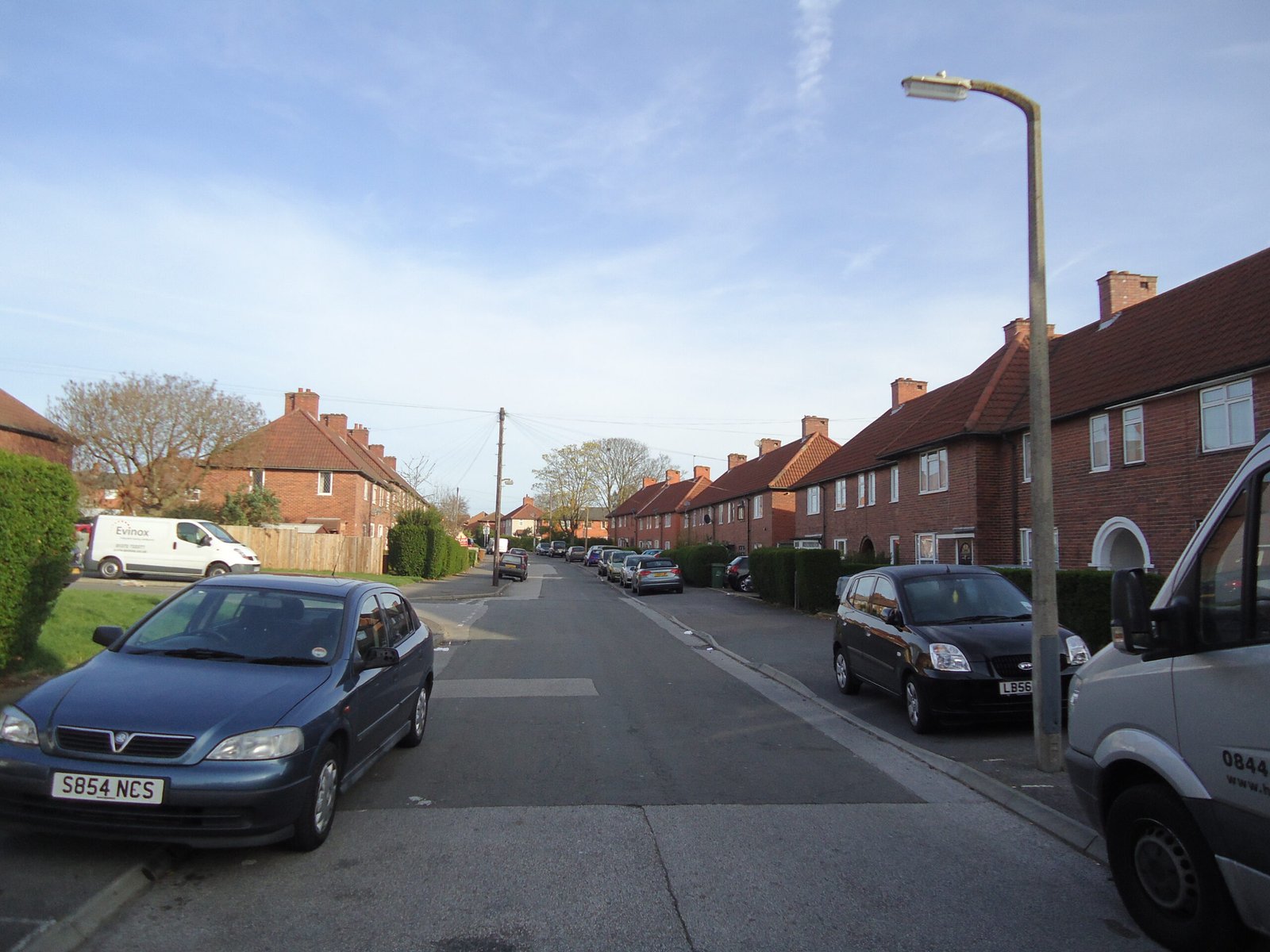
To understand how Sutton got here, it helps to look at the St Helier estate. Built in the interwar years, St Helier was one of the largest council estates in London, giving thousands of ordinary families decent, affordable homes. Over the decades, many of those homes were sold off through Right to Buy, without enough new council homes being built to replace them.
Today, a large number of those former council properties are let out by private landlords to people receiving housing benefit. The result is that instead of councils collecting the rent, the taxpayer pays market rates to private landlords for homes that were built with public money. The pressure on scarce stock is made worse when council homes are misused — a Wandsworth tenant was recently ordered to hand back £64,743 after secretly renting out a council flat for three years.
Nationally, nearly £8 billion a year is spent on housing benefit for tenants renting privately — money that critics argue is simply the cost of failing to build.
Dean speaks from personal experience. He grew up in a council home; his parents were working class, a scaffolder and a cleaner. When his youngest brother was born, the third child, the family moved from a two-bedroom flat into a three-bedroom house. That was considered normal at the time, he says — but today that kind of move feels like a luxury. Social housing, he argues, has been turned into an emergency provision for the vulnerable rather than remaining the foundation of society.
Treating homes as infrastructure
Sutton has a proud record of building, but fixing the supply problem will require bold reforms that give councils more resources and powers to build the homes that are needed, he says. Rather than spending billions every year dealing with the consequences of the shortage, social housing should be treated as infrastructure and invested in for the long term. Targeted funding can make a difference — a GLA grant is currently delivering 326 social rent homes in Ilford — but such schemes remain a drop in the ocean compared with the demand across the capital.
A century ago, thousands of homes were built at St Helier because there was a need for them. The argument now is that London needs that same ambition again — before another generation grows up waiting for a home that never comes.