A north London pharmacist who orchestrated a fake prescription racket worth more than £1.3 million to the NHS has been jailed, after high-cost cancer drugs obtained through bogus paperwork were sold on to wholesalers across Europe.
Jignesh Patel, 46, owned Wise Pharmacy on Fore Street in Edmonton as well as a pharmaceutical business called Actipharm Limited. Between January 2015 and November 2017, investigators uncovered 1,639 false prescriptions written in the names of 24 GPs for 440 patients — none of whom had actually been prescribed the medicines.
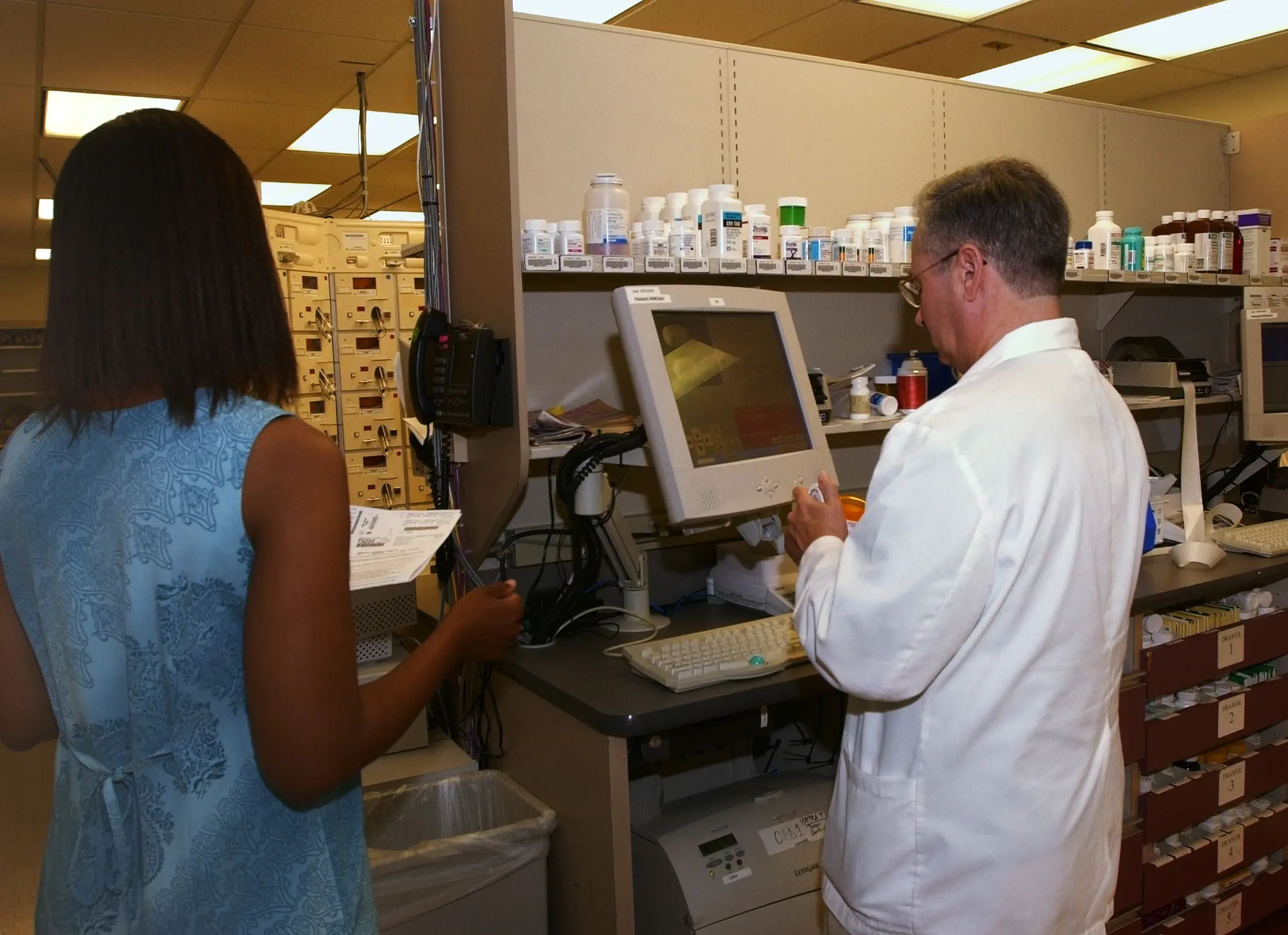
How the scheme worked
The prescriptions were for two expensive leukaemia drugs, Sprycel and Noxafil, which are normally dispensed in a hospital setting rather than handed out on the high street. The drugs are specialist leukaemia treatments that command high prices, which is why they were targeted. On the strength of the bogus paperwork, the NHS reimbursed Wise Pharmacy more than £1.3 million. But instead of reaching patients, the drugs were channelled through Actipharm and sold to pharmaceutical wholesalers in Belgium, the Netherlands, Denmark and Germany.
Messages recovered by investigators laid bare how brazenly the operation was run. In one text, Jignesh Patel instructed Rahil Patel, 42, to “drop the nox to the warehouse today”. In another, he wrote simply: “U WANT MORE”.
Caught and convicted
When Jignesh Patel was arrested in December 2017, officers seized £190,000 in cash from his properties. Both men were later convicted of three counts of fraud by false representation and two counts of converting criminal property.
Jignesh Patel, of Royal Drive in New Southgate, and Rahil Patel, of Churston Avenue in Upton Park, were sentenced at Southwark Crown Court on Friday, October 16.
Sentencing the pair, His Honour Judge Cole said the fraud had been “committed out of greed”, describing them as “equal partners in the serious fraud designed to make you a lot of money”.
The investigation, led by the NHS Counter Fraud Authority, pieced together the paper trail from the fabricated prescriptions to the reimbursement claims and the onward sale of the drugs to European wholesalers.
Fraud on an industrial scale
The case is a stark illustration of the scale of fraud against the health service. The NHS Counter Fraud Authority (NHSCFA), the national body charged with protecting the NHS in England from fraud, says such crimes divert money directly from patient care — at a time when the health service is rolling out major patient-safety reforms, including the expansion of Martha’s Rule to every A&E in England.
Prescription fraud works because community pharmacies are reimbursed by the NHS for every item they claim to have dispensed. Pharmacies submit bundles of prescription forms to the NHS Business Services Authority, which pays out on the assumption the paperwork is genuine. High-cost specialist medicines — like the leukaemia drugs at the centre of this case, which can cost thousands of pounds for a single course — are a prime target, because one false claim can be worth a fortune.
Financial investigators from the NHSCFA will now use powers under the Proceeds of Crime Act 2002 to try to claw back the stolen money. Confiscation proceedings under the Act allow courts to order offenders to repay their criminal benefit — with extra prison time if they fail to pay. Ben Harrison, the authority’s head of operations and engagement, said: “This case demonstrates that there is no hiding place for those who seek to defraud the NHS.”
The sentences add to a string of tough punishments handed down by London courts for large-scale fraud, as judges continue to crack down on organised dishonesty targeting public money and consumers alike.
Anyone who suspects fraud against the NHS is urged to report it to the NHSCFA, which says tip-offs from staff and the public play a vital role in bringing offenders to justice. Details of how to report can be found on the authority’s website.