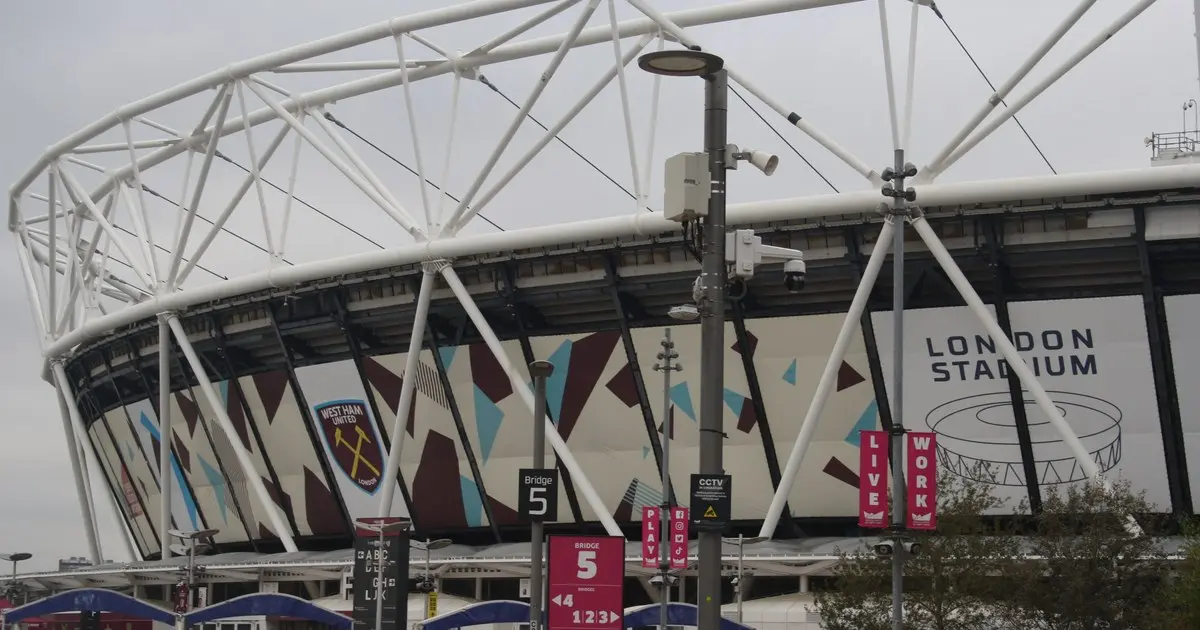
More than 400 young Londoners gathered at London Stadium today to help shape the future of stop and search, as the Metropolitan Police works to rebuild trust in one of policing’s most important powers.
The Met’s Youth Summit brought together students from 35 schools, youth organisations, community partners and police officers for a day of discussion, challenge and learning focused on stop and search, community safety and preventing violence.
Hosted by Commissioner Sir Mark Rowley and funded by money seized from criminals, the event gave young people the chance to share their experiences of policing, learn about their rights and help influence how stop and search is used across London.
Young Londoners took part in interactive workshops, including stop and search scenarios, life skills training, forensic investigations and digital policing demonstrations. Attendees also saw live operational displays showing how the Met tackles crime and keeps communities safe.
The summit forms part of the Met’s delivery of the Stop and Search Charter, a programme developed after feedback from more than 8,500 Londoners and co-authored by 80 young people. The Charter recognises that while stop and search remains an important tactic in tackling violence, public confidence in how it is used is critical to maintaining policing by consent.
The Charter was launched in February 2025, following the largest public engagement exercise the Met has ever undertaken on stop and search. In August 2026, the Met published its Stop and Search Charter Delivery Plan, setting out 35 commitments designed to improve accountability, transparency and the quality of stop and search encounters.
The event comes as the Met continues efforts to tackle serious violence affecting young people across the capital. In 2026, there have been 399 offences where a victim aged 18 or under was injured with a knife, compared with 414 in 2025.
Stop and search remains one of the Met’s most important tools in preventing violence and removing dangerous weapons from the streets. Last year, officers removed more than 3,700 weapons from London’s streets.
Between June 2025 and May 2026, stop and search activity increased by 18 per cent compared with the previous 12 months. Despite that increase in volume, the Met’s Criminality Detection Rate — which measures the proportion of searches resulting in the discovery of prohibited items or evidence of criminality — improved from 33 per cent to 35 per cent. Complaints relating to stop and search have also fallen.
The Met recognises, however, that effectiveness alone is not enough. Stop and search can be a traumatic experience for those involved and can have a wider impact on community confidence. Concerns about fairness and disproportionality, particularly among Black Londoners, remain, and addressing those concerns is central to the Stop and Search Charter.
Stop and search is a police power that allows officers to search a person if they have reasonable grounds to suspect they are carrying something illegal, such as a weapon or drugs. Officers must explain why they are searching you, and you have the right to know the officer’s name, station and the reason for the search. You can also ask for a record of the search.
The Met is also carrying out a separate investigation into alleged serious sexual offences, and British Transport Police have appealed for information after two robberies on trains in Stratford and Waltham Cross.