A member of the Abu Dhabi royal family has been sentenced after admitting child neglect, following an incident in west London in which she was found incapacitated while a three-year-old child was left unsupervised near a busy road.
Mahrah Al Nahyan, 32, admitted a single charge of child neglect. She was handed a two-year community order with a rehabilitation requirement, fined £5,000 and ordered to pay £1,000 in prosecution costs.
The case was heard across two London crown courts, with the plea entered at Isleworth and sentencing taking place at Southwark.
What the court heard
The incident took place on June 13 this year in west London. Al Nahyan was found slumped against railings next to an unconscious man, while a barefoot three-year-old played nearby close to a busy road.
The court heard that she had used cocaine in the days leading up to the incident. She was reported to be in drug treatment at the Priory centre in Woking.
Al Nahyan is described as a member of the Abu Dhabi royal family through marriage.
Court proceedings
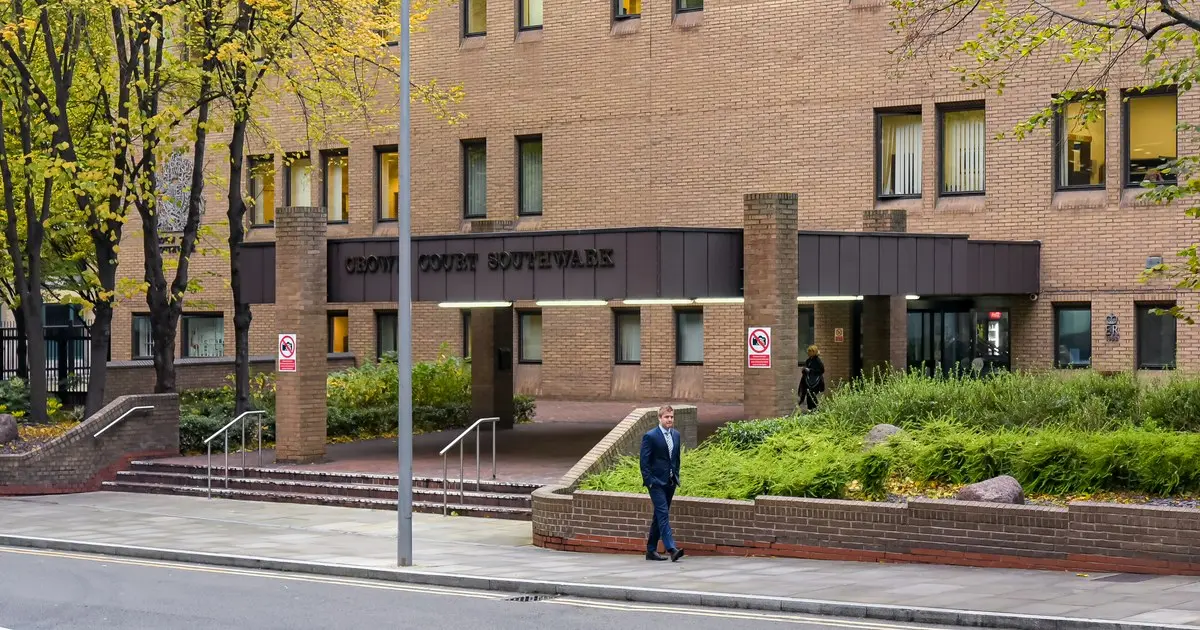
Her plea hearing took place at Isleworth Crown Court in July. The sentencing hearing was held at Southwark Crown Court, before Mr Justice Johnson KC.
The prosecution set out the circumstances of the June incident, in which the child was left without proper supervision in a public place.
Southwark Crown Court, on the south bank of the Thames, handles some of the most serious criminal cases in London, including complex fraud and high-profile criminal trials.
The sentence
The judge imposed a two-year community order, which includes a rehabilitation requirement aimed at addressing the underlying issues in the case.
In addition to the community order, Al Nahyan was fined £5,000 and ordered to pay £1,000 towards the costs of the prosecution.
Community orders with rehabilitation requirements are designed to combine punishment with support, requiring the offender to engage with programmes intended to prevent reoffending.
Child neglect and the law
Child neglect is a serious criminal offence in England and Wales. The law requires anyone with responsibility for a child to ensure the child’s safety and wellbeing, and failing to do so can lead to prosecution even where no physical harm results.
Courts consider a range of factors when sentencing for child neglect, including the degree of risk to the child, the circumstances of the offender, and any steps taken towards rehabilitation.
The inclusion of a rehabilitation requirement in this case reflects the court’s assessment that addressing drug use was central to preventing any repeat.
A high-profile case
Cases involving members of prominent families inevitably attract significant public attention, but the legal principles applied are the same as in any other case. The courts assess each case on its facts, and sentences must follow established guidelines.
The reporting of this case also highlights the intersection of wealth, addiction and the criminal justice system. Drug treatment programmes, such as the one Al Nahyan was reported to be attending, play a central role in how courts approach cases where substance misuse is a factor.
Support for those affected
Child neglect cases often have lasting effects on the children involved, even where no physical injury occurs. Social services work with families to ensure children’s safety, and courts can impose conditions designed to protect children going forward.
For those struggling with drug addiction, help is available through GPs, local drug treatment services and charities. The inclusion of rehabilitation in sentencing reflects a broader recognition that treatment, alongside punishment, offers the best chance of preventing further harm.
London Streets has been covering the Wembley house fire that put three people in hospital and major disruption on the Thameslink network today.