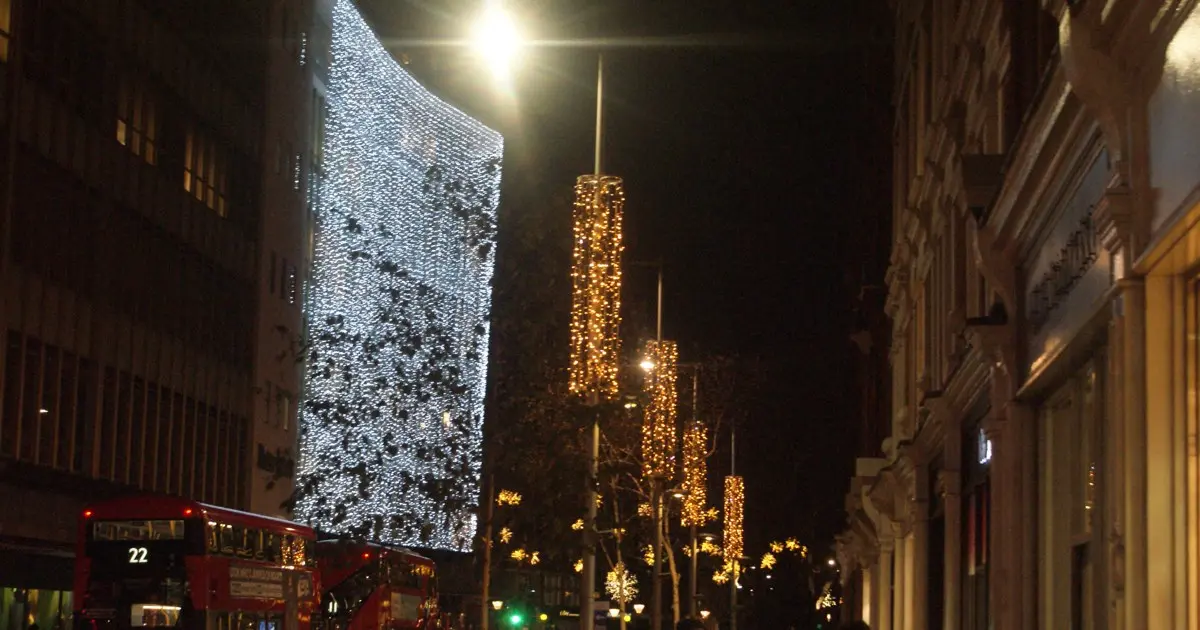
Chelsea takes the crown for the capital’s after-dark scene
When Londoners think of the capital’s liveliest night out, Soho usually comes first. A new ranking begs to differ: it names Kensington and Chelsea — not the West End — as the best borough in London for nightlife in 2026.
The research, carried out by a Shoreditch gentlemen’s club called 23 Paul Street, scores the west London borough 90.7 out of 100 after weighing eight nightlife-related factors across local authorities: the density of licensed drinking establishments, late-night food availability, hygiene standards and the number of 24-hour alcohol licences among them.
Kensington and Chelsea stood out for its concentration of licensed pubs, bars and restaurants and its range of late-night food options. Its pubs, bars and nightclubs also returned an average hygiene rating of 4.89 out of 5 — the highest recorded among the top-ranked boroughs.
The City and Southwark complete the top three
The City of London took second place with 86.3 points. Despite covering just 3.1 square kilometres, the Square Mile has the highest density of on-trade alcohol licences anywhere in the capital — a night-time economy punching well above its residential weight.
Southwark claimed third with 84.7 out of 100, powered by its late-night credentials: 377 premises in the borough hold 24-hour alcohol licences, the most among the top three, reflecting the spread of bars, clubs and late openings along the river from London Bridge to Bankside.
Haringey’s surprise showing — and Soho’s snub
Haringey emerged as the most unexpected name near the top of the table, finishing fourth with 80.6 out of 100. The north London borough — home to Tottenham and Wood Green — recorded 558 on-trade alcohol licences and 480 late-night refreshment premises, with pubs, bars and nightclubs averaging a hygiene rating of 4.74 out of 5.
Westminster, home to Soho, Leicester Square and much of the West End, could only manage fifth with 78.8 points — nearly 12 points behind the winner. The borough holds more drinking licences than anywhere else in London, but its hygiene scores dragged it down: its venues averaged 4.61 out of 5 against Kensington and Chelsea’s 4.89, and its takeaways managed just 4.40 against 4.67 in the top borough.
It is a result that will raise eyebrows among West End regulars — Soho’s late-night bars and clubs remain the stuff of London legend, and raw licence numbers suggest Westminster still has the biggest after-dark offer by sheer volume. But the ranking’s weighting of food-hygiene scores means quantity alone was never going to carry it.
A word on the source
The figures come from a press-style ranking issued by a private venue rather than an independent research body or council publication — 23 Paul Street is a Shoreditch-based gentlemen’s club that markets itself around late-night entertainment. There is nothing wrong with that, but it is worth knowing who compiled the table before planning a night out on its advice.
Still, the underlying ingredients are familiar ground for London’s hospitality sector: licence density, late-night refreshment and hygiene ratings are all measures councils and industry groups track in their own way. And the findings chime with a wider story — the capital’s night-time economy is increasingly spread across boroughs, from the cocktail bars of Chelsea to recently refurbished pubs and new late-night openings further afield.
Whether Kensington and Chelsea deserves the crown, of course, is a question best settled the traditional way: by a night out. Soho’s supporters are unlikely to surrender the title without a fight — and with the capital’s food scene and late-night culture under the spotlight, expect the debate to run well past closing time.